
Canada-India Diplomatic Tensions: Understanding the Recent Diplomatic Immunity Issue

In a rare and concerning diplomatic development, Canada and India find themselves entangled in a tense standoff over allegations of Indian involvement in the killing of a Sikh separatist leader on Canadian soil. Canada’s decision to remove 41 diplomats from India in response to India’s request to reduce its diplomatic presence has escalated tensions. The revocation of diplomatic immunity is a significant move, sparking debates on international law’s sanctity in diplomatic relations. This incident exposes the complexities of historical grievances, national security concerns, and the delicate balance of diplomatic relations between two nations with a shared history of cooperation. The path forward requires careful diplomacy to preserve the vital connections between these nations.
Global Financial Landscape Awaits Bank of England’s Decision Amid US Rate Hikes

As economic observers hold their breath, the Bank of England stands at a critical crossroads, its response poised to resonate worldwide. After a series of interest rate hikes over the last two years, the Bank faces the prospect of aligning its policies with the potential rate increases by the US Federal Reserve. This juncture underscores the intricate dance of central banks in grappling with inflation and economic stability. The synchronicity between these key institutions amplifies the significance of their decisions, impacting currencies, trade, and investment strategies on a global scale. In an era of interconnected financial systems, the choices made by these central banks extend far beyond their borders.
Vistry Group’s Strategic Move, Merging Affordable Housing and House Building Divisions
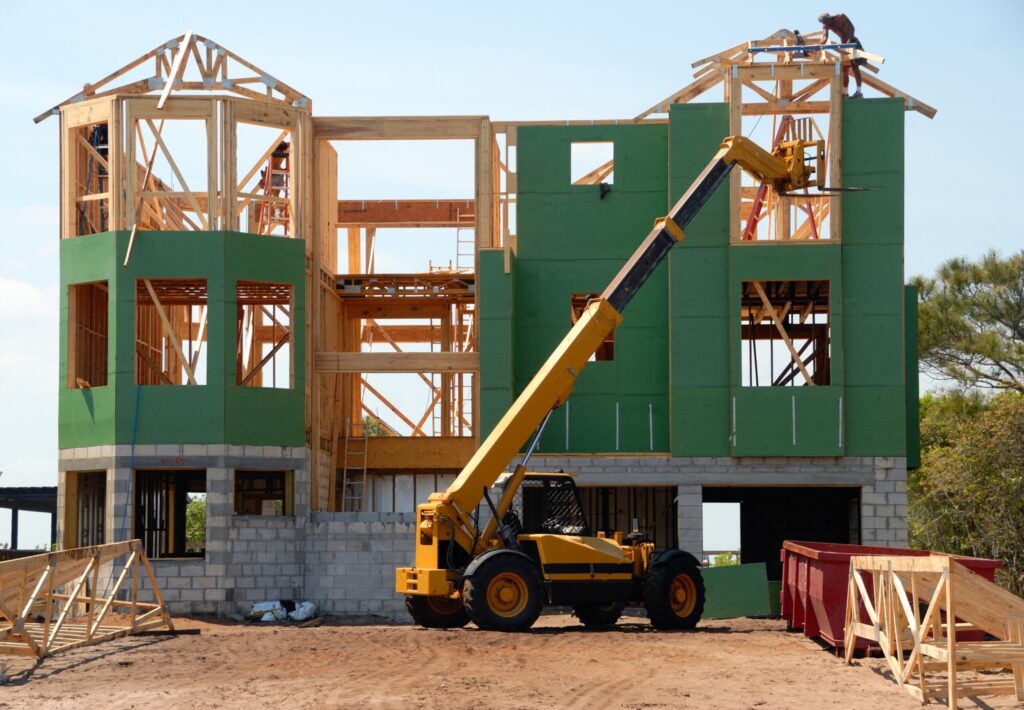
Vistry Group’s strategic decision to merge its affordable-housing business with its Housebuilding operations marks a pivotal moment in the UK’s housing industry. With interest rate hikes affecting profit margins and affordability concerns plaguing the market, Vistry proactively addresses these challenges while maintaining its annual profit forecast. CEO Greg Fitzgerald emphasized the critical need for affordable mixed-tenure housing in the country, positioning Vistry as a leader in partnership housing. This consolidation aims to enhance operational efficiency and streamline affordable housing development, benefiting the company and the growing demand for affordable homes in the UK. Vistry’s adaptability and commitment to addressing housing needs highlight its resilience in a challenging market environment.
UK Businesses Seek Clarity Amidst Net Zero Challenge

Amidst the UK’s ambitious net zero carbon emissions target by 2050, a recent survey has shed light on the struggle small businesses face to comprehend and embrace the necessary changes. With just 8% of surveyed companies claiming a comprehensive understanding of the net zero implications, the British Chambers of Commerce (BCC) has urged the government for consistent guidance and an end to the “fog of conflicting information.” While more giant corporations are progressively disclosing their climate adaptation strategies, smaller entities are grappling with barriers such as EV charging infrastructure and renewable energy adoption. As the nation strives to achieve its net zero goal, collaboration and clarity are essential to empower businesses of all sizes.
Middle East’s Asset Management Industry Navigates Growth Challenges and Seeks New Avenues

The Middle East’s asset management industry defies economic headwinds with $1.3 trillion in assets under management, marking a remarkable 7 percent compound annual growth rate. While outperforming European and American peers, leaders in the region face a critical turning point. They must reassess strategies to regain profit growth and navigate a changing landscape. Prioritizing profitability, exploring high-growth alternative investments, and embracing technology for personalized client experiences are key strategies for success. The industry’s resilience and adaptability position it for continued growth in the Middle East’s dynamic market.
Germany’s Battle to End the Ongoing Recession and Energy Crisis

Germany once hailed as an economic powerhouse, now finds itself at a crossroads. Business leaders and experts are sounding the alarm as the nation grapples with a weakening economy and the challenges of transitioning to green energy. Soaring inflation, sluggish export markets, and high energy costs loom over Germany’s economic landscape, raising concerns about its future. Amid these difficulties, Chancellor Olaf Scholz envisions a new era of economic growth through the transition to renewable energy. However, skepticism remains as experts question the immediate benefits and exorbitant costs associated with this green revolution. Germany must confront its structural weaknesses, such as bureaucracy and an ageing population while addressing industry concerns and shifting dynamics. The road ahead may be challenging, but Germany’s resilience and adaptability will determine its success in securing a prosperous future.