Masirah Oil Expands its Offshore Operations with a New Drilling Rig Contract
With plans to commence a multi-well program in mid-March 2024, Masirah Oil is poised to enhance production capabilities in the Yumna Field.

With plans to commence a multi-well program in mid-March 2024, Masirah Oil is poised to enhance production capabilities in the Yumna Field.
Oman Investment Authority initiates a $1.35 billion polysilicon plant at Sohar Freezone, targeting completion by 2025. United Solar Polysilicon (FZC) SPC leads the project, aligning with Oman Vision 2040’s economic diversification goals.
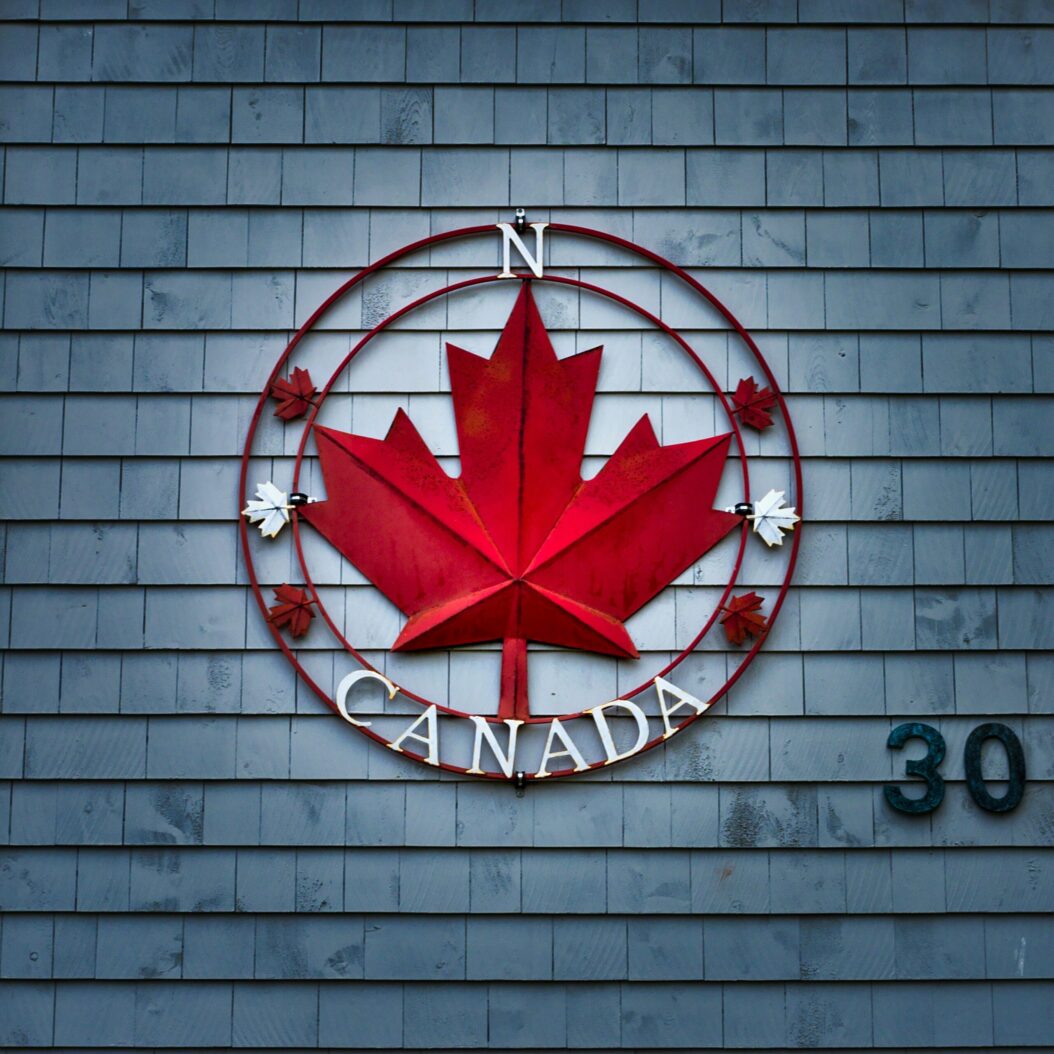
In a strategic pivot, Suncor Energy, Canada’s second-largest oil producer, prioritizes operational efficiency and cost reduction in its oil sand mining business. The company, led by CEO Rich Kruger, acknowledges the imperative of addressing long-standing underperformance and safety concerns.
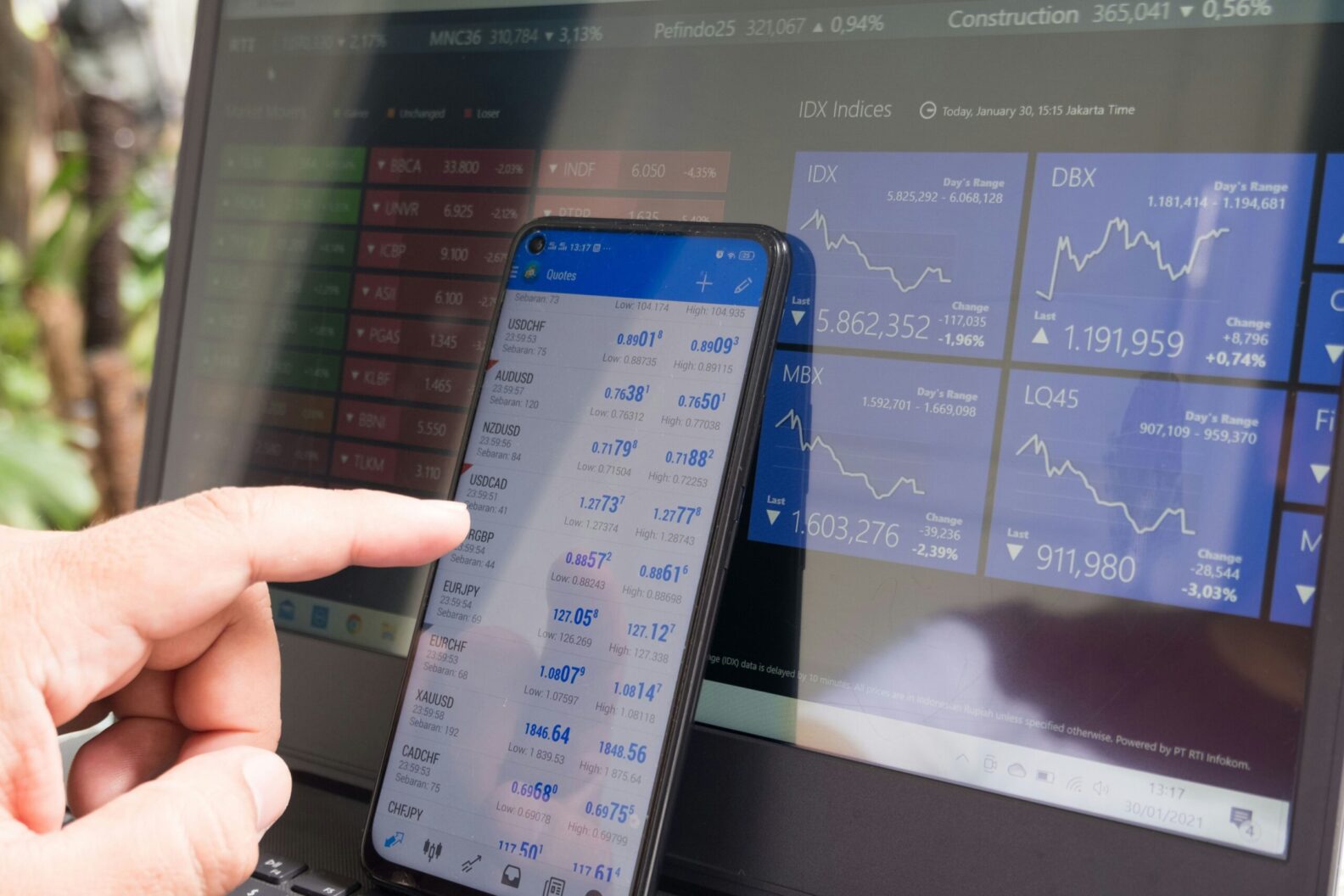
In the dynamic landscape of Canadian banking, income investors eye TD Bank and Bank of Montreal as promising prospects for 2024. TD, though consolidating, offers an enticing 4.96% dividend yield, providing patient investors with a reliable income stream.
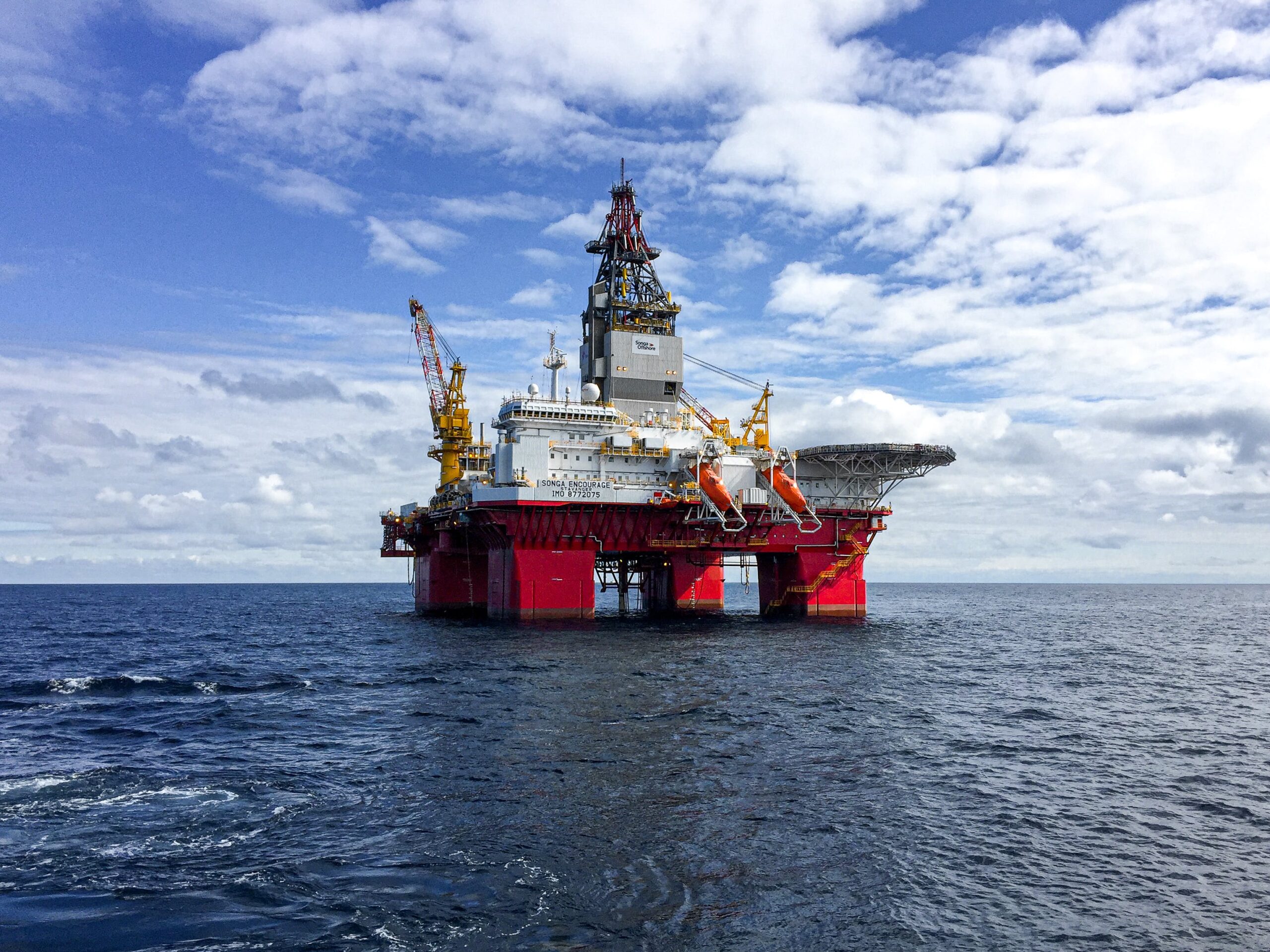
In a major win, Larsen & Toubro’s hydrocarbon business, L&T Energy Hydrocarbon (LTEH), has bagged offshore project orders totaling a whopping Rs 15,000 crore in the Middle East. The prestigious contract involves the comprehensive development of a large offshore platform seamlessly integrated with existing facilities, signaling a significant milestone for L&T in global offshore project execution. The undisclosed client’s nod to this mega order underscores L&T’s prowess and its commitment to expanding its footprint in the strategically vital Middle East region. This accomplishment solidifies L&T’s position as a key player in the hydrocarbon industry, with a focus on excellence, innovation, and global recognition.

In a significant leap towards energy self-sufficiency and fostering in-country value, PDO has unveiled Oman’s first locally made drilling rig. The alliance between PDO and KCA Deutag’s Kenera business unit promises to usher in a new era of self-reliance in the energy sector. These highly automated drilling rigs, designed for the next decade, blend cutting-edge technology with sustainability, ensuring safe and efficient drilling operations. Furthermore, the commitment to in-country value is palpable, with substantial investments funnelled into local businesses and an emphasis on nurturing local talent. This milestone underscores PDO’s vision for a more prosperous and environmentally conscious energy landscape.
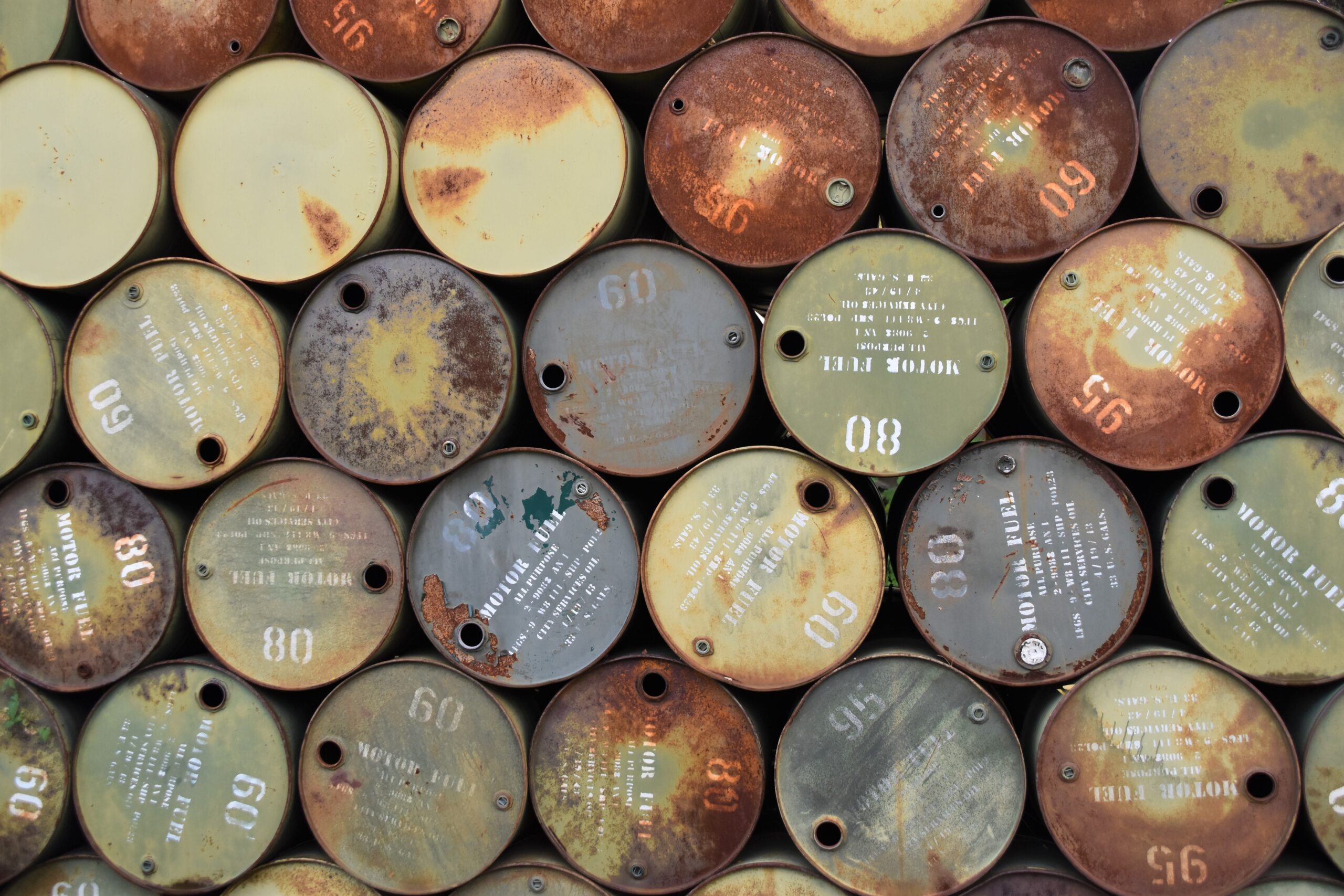
The Indian stock market faced a challenging start to the week, with global volatility and heightened oil prices stemming from escalating Middle East tensions taking a toll. Market indices, particularly the Nifty 50 and Sensex, experienced early declines, largely influenced by losses in financial services and banking sectors. Despite this, small- and mid-cap stocks held their ground, indicating domestic investors’ resilience. Concerns were raised about the potential ripple effects on India’s economy and markets if the Middle East conflict leads to a significant oil price surge. Individual stocks, like Avenue Supermarts and Delta Corp, were also impacted, while HDFC Bank’s eagerly awaited quarterly results added to the market’s uncertainty.
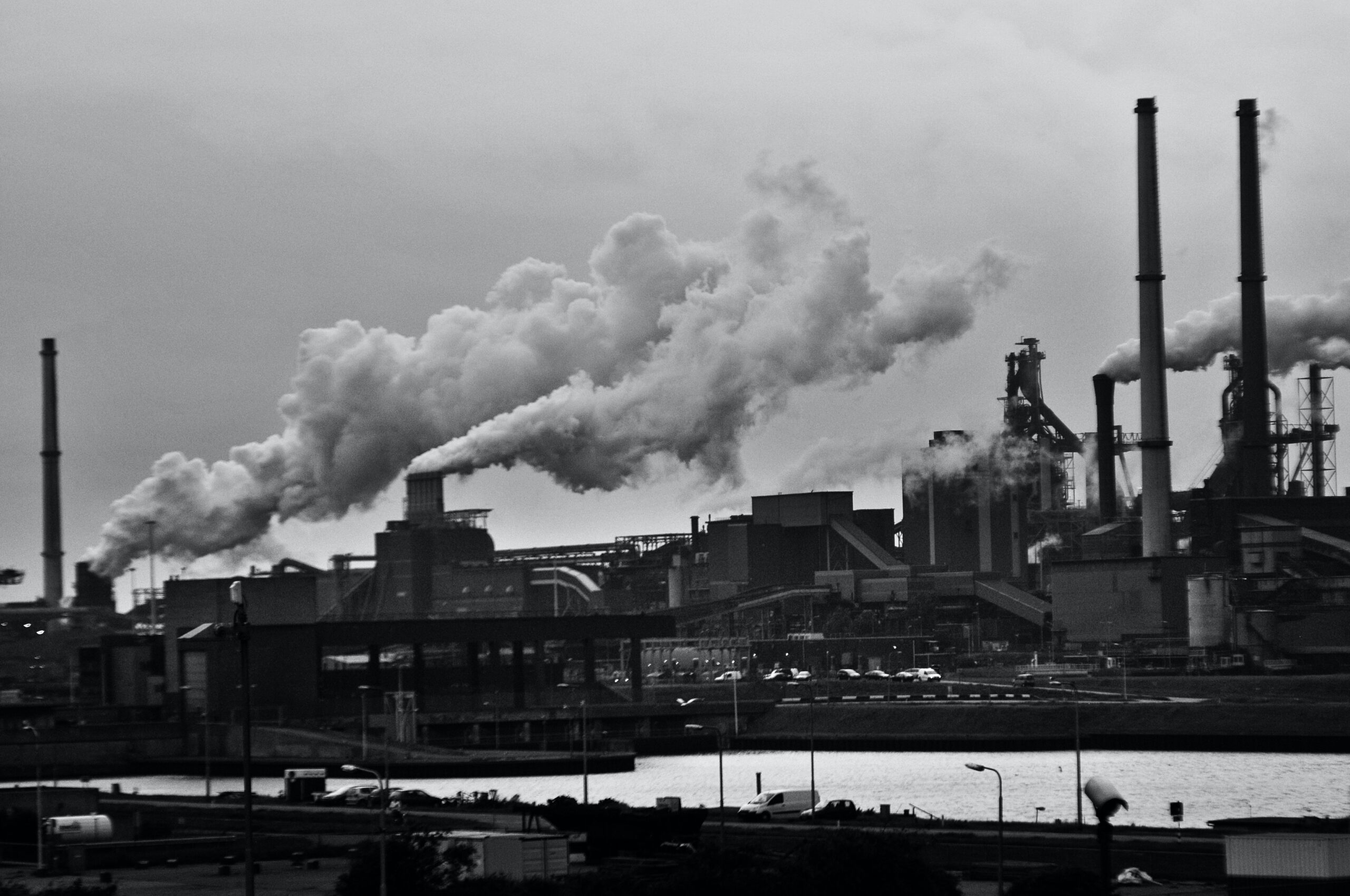
Kuwait’s announcement of plans to privatize its power and water assets signifies a pivotal moment in the nation’s quest for improved service delivery and economic efficiency. Backed by a comprehensive feasibility study, this transformational initiative is poised to drastically reduce the government’s annual expenditure on these essential services, which currently exceeds $19 billion in subsidies. By opening the doors to privatization, Kuwait aims to introduce competition, innovation, and private sector investment into its energy sector, thereby enhancing service quality and operational efficiency. While challenges lie ahead, including regulatory complexities and ensuring affordability for the general population, this move reflects Kuwait’s commitment to modernizing its infrastructure and embracing global standards.
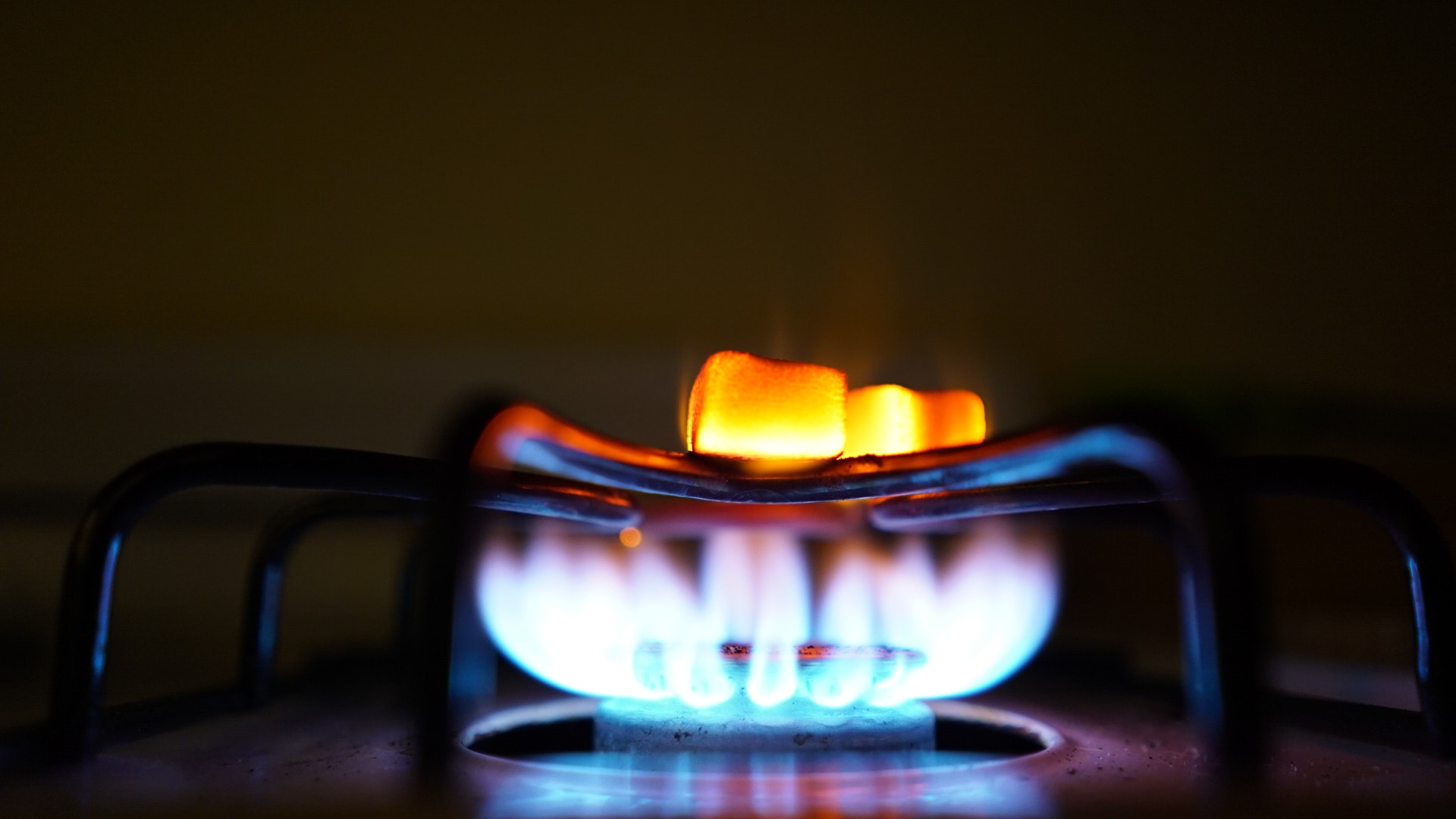
Oman LNG’s recent surge in gas supply agreements signifies a pivotal moment for the company and Oman’s energy landscape. With 14 binding long-term agreements inked in 2023 alone, Oman LNG solidifies its role as a major player in the liquefied natural gas market. These deals extend Oman’s reach into diverse global markets, including the Middle East, East Asia, and Europe. The commitment to supply 10.4 million metric tonnes of LNG annually from 2025 onwards underlines Oman LNG’s dedication to supporting the national economy and enhancing its strategic partnerships with international energy corporations. This impressive growth reflects Oman LNG’s efficiency and investor confidence, securing its place on the global energy stage.
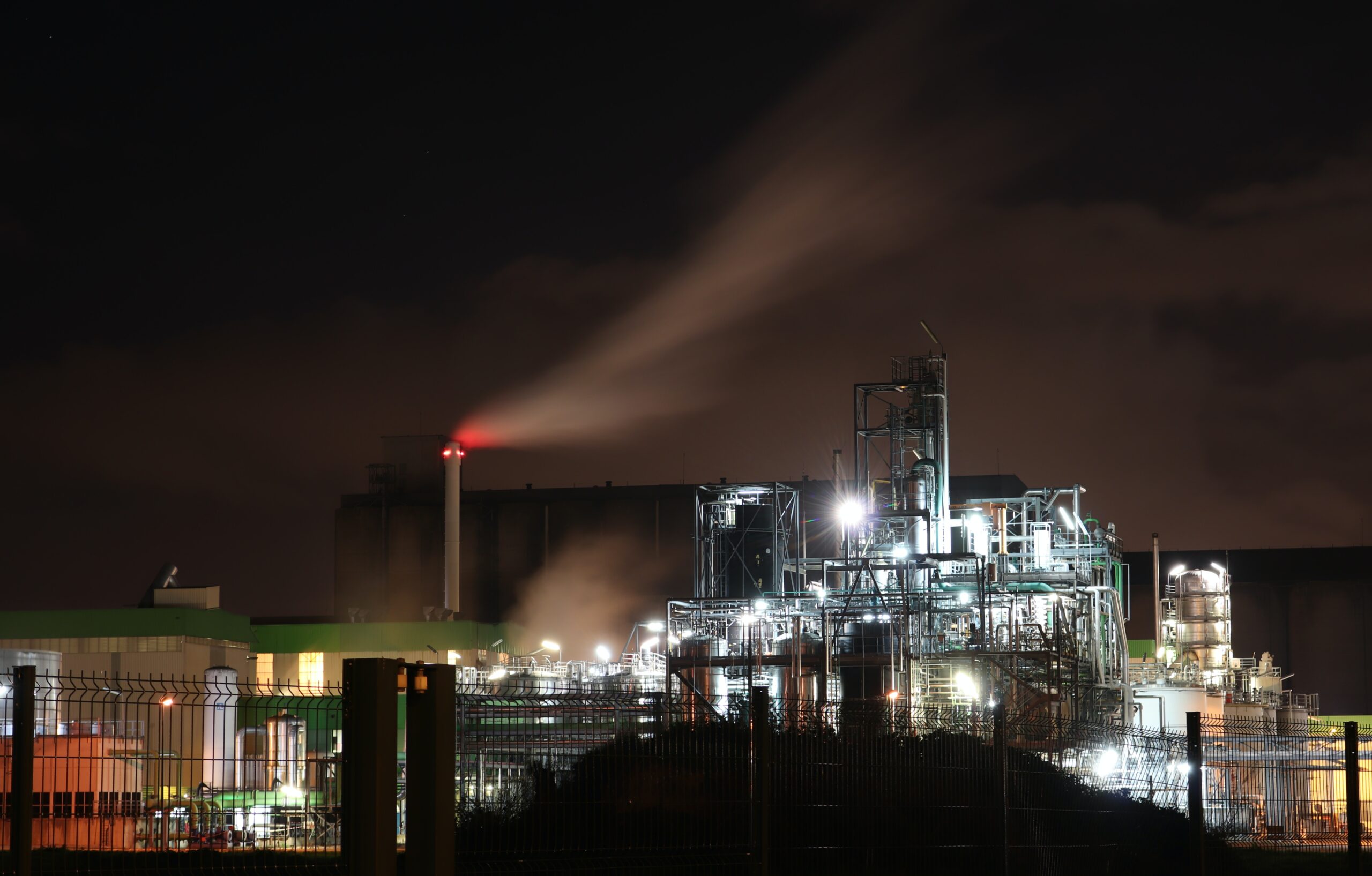
The Gulf Cooperation Council (GCC) economies faced an intricate economic landscape in the second quarter of 2023, marked by reduced oil production. This led to a 0.5 percentage point downward revision in growth forecasts for the GCC, setting the growth rate at 1.4% for the year. However, the region’s non-energy sectors have shown resilience, with robust growth in tourism-related industries. Rising energy prices, driven by global factors, have also played a pivotal role, with Brent oil reaching $90 per barrel. The impending inclusion of Saudi Arabia and the UAE into the BRICS group offers a ray of hope, fostering economic diversification and reducing reliance on the US dollar, setting the stage for a more optimistic future.
With plans to commence a multi-well program in mid-March 2024, Masirah Oil is poised to enhance production capabilities in the Yumna Field.
Oman Investment Authority initiates a $1.35 billion polysilicon plant at Sohar Freezone, targeting completion by 2025. United Solar Polysilicon (FZC) SPC leads the project, aligning with Oman Vision 2040’s economic diversification goals.
In a strategic pivot, Suncor Energy, Canada’s second-largest oil producer, prioritizes operational efficiency and cost reduction in its oil sand mining business. The company, led by CEO Rich Kruger, acknowledges the imperative of addressing long-standing underperformance and safety concerns.
In the dynamic landscape of Canadian banking, income investors eye TD Bank and Bank of Montreal as promising prospects for 2024. TD, though consolidating, offers an enticing 4.96% dividend yield, providing patient investors with a reliable income stream.
In a major win, Larsen & Toubro’s hydrocarbon business, L&T Energy Hydrocarbon (LTEH), has bagged offshore project orders totaling a whopping Rs 15,000 crore in the Middle East. The prestigious contract involves the comprehensive development of a large offshore platform seamlessly integrated with existing facilities, signaling a significant milestone for L&T in global offshore project execution. The undisclosed client’s nod to this mega order underscores L&T’s prowess and its commitment to expanding its footprint in the strategically vital Middle East region. This accomplishment solidifies L&T’s position as a key player in the hydrocarbon industry, with a focus on excellence, innovation, and global recognition.
In a significant leap towards energy self-sufficiency and fostering in-country value, PDO has unveiled Oman’s first locally made drilling rig. The alliance between PDO and KCA Deutag’s Kenera business unit promises to usher in a new era of self-reliance in the energy sector. These highly automated drilling rigs, designed for the next decade, blend cutting-edge technology with sustainability, ensuring safe and efficient drilling operations. Furthermore, the commitment to in-country value is palpable, with substantial investments funnelled into local businesses and an emphasis on nurturing local talent. This milestone underscores PDO’s vision for a more prosperous and environmentally conscious energy landscape.
The Indian stock market faced a challenging start to the week, with global volatility and heightened oil prices stemming from escalating Middle East tensions taking a toll. Market indices, particularly the Nifty 50 and Sensex, experienced early declines, largely influenced by losses in financial services and banking sectors. Despite this, small- and mid-cap stocks held their ground, indicating domestic investors’ resilience. Concerns were raised about the potential ripple effects on India’s economy and markets if the Middle East conflict leads to a significant oil price surge. Individual stocks, like Avenue Supermarts and Delta Corp, were also impacted, while HDFC Bank’s eagerly awaited quarterly results added to the market’s uncertainty.
Kuwait’s announcement of plans to privatize its power and water assets signifies a pivotal moment in the nation’s quest for improved service delivery and economic efficiency. Backed by a comprehensive feasibility study, this transformational initiative is poised to drastically reduce the government’s annual expenditure on these essential services, which currently exceeds $19 billion in subsidies. By opening the doors to privatization, Kuwait aims to introduce competition, innovation, and private sector investment into its energy sector, thereby enhancing service quality and operational efficiency. While challenges lie ahead, including regulatory complexities and ensuring affordability for the general population, this move reflects Kuwait’s commitment to modernizing its infrastructure and embracing global standards.
Oman LNG’s recent surge in gas supply agreements signifies a pivotal moment for the company and Oman’s energy landscape. With 14 binding long-term agreements inked in 2023 alone, Oman LNG solidifies its role as a major player in the liquefied natural gas market. These deals extend Oman’s reach into diverse global markets, including the Middle East, East Asia, and Europe. The commitment to supply 10.4 million metric tonnes of LNG annually from 2025 onwards underlines Oman LNG’s dedication to supporting the national economy and enhancing its strategic partnerships with international energy corporations. This impressive growth reflects Oman LNG’s efficiency and investor confidence, securing its place on the global energy stage.
The Gulf Cooperation Council (GCC) economies faced an intricate economic landscape in the second quarter of 2023, marked by reduced oil production. This led to a 0.5 percentage point downward revision in growth forecasts for the GCC, setting the growth rate at 1.4% for the year. However, the region’s non-energy sectors have shown resilience, with robust growth in tourism-related industries. Rising energy prices, driven by global factors, have also played a pivotal role, with Brent oil reaching $90 per barrel. The impending inclusion of Saudi Arabia and the UAE into the BRICS group offers a ray of hope, fostering economic diversification and reducing reliance on the US dollar, setting the stage for a more optimistic future.