

Economy

Navigating Inflation Trends and Fiscal Resilience in Oman

Oman’s recent economic landscape reveals a noteworthy decline in inflation, reaching its lowest level since March 2021. The Sultanate’s Consumer Price Index (CPI) dropped to 0.30% in October 2023, showcasing a consistent decrease attributed to global factors and government measures. The strategic regulation of fuel prices and exemptions for essential commodities from value-added tax played a pivotal role in curbing inflation. Various sectors, including food and transportation, contributed to this trend, with food items experiencing slower inflation due to reduced prices of key commodities. The International Monetary Fund (IMF) anticipates Oman to maintain the lowest inflation rate in the GCC, highlighting the country’s fiscal resilience and strategic economic reforms.

Inflation Eases in October, A Glimmer of Hope for Consumers Amidst Economic Uncertainties

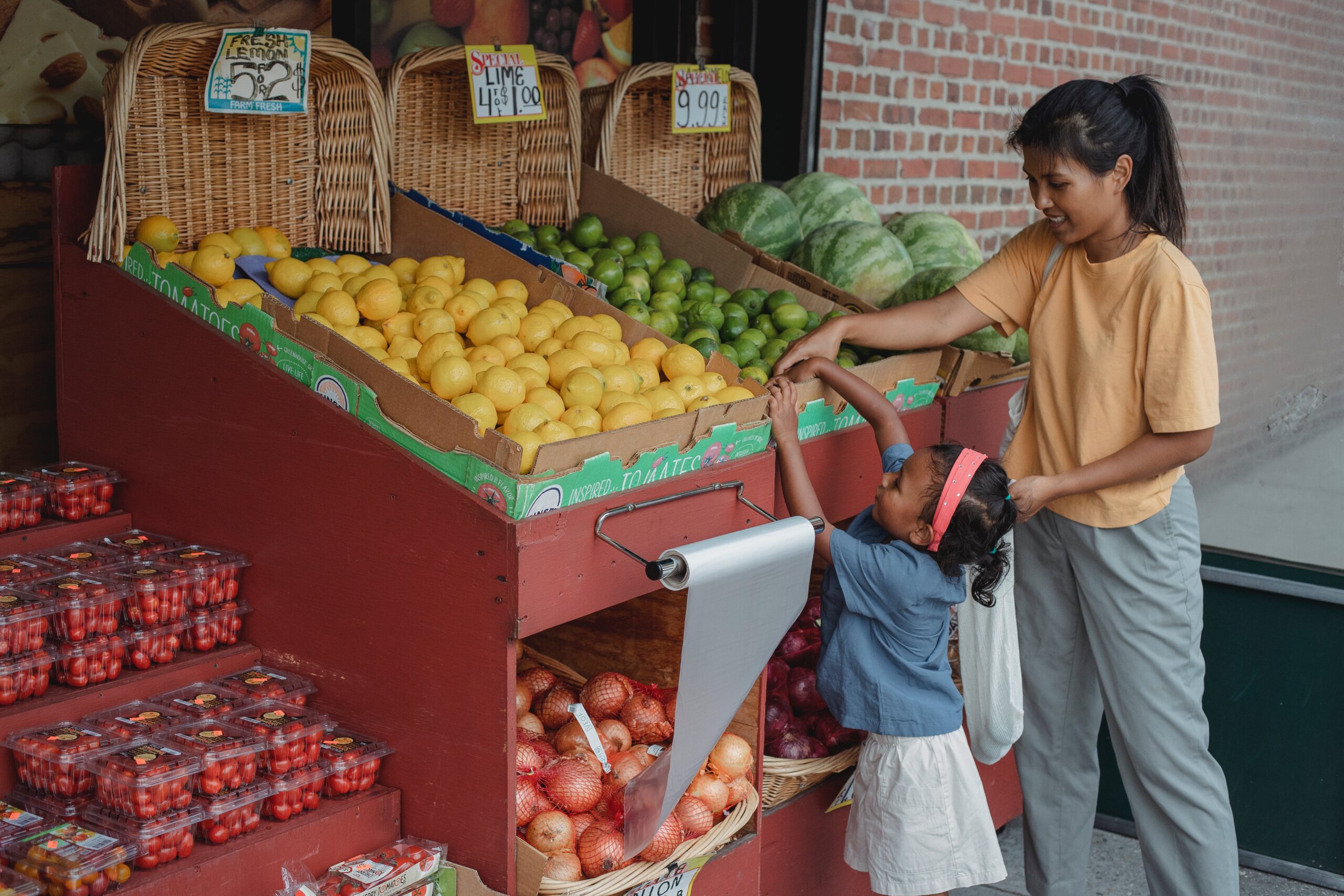
In October, consumer prices in the U.S. rose by 3.2% compared to the previous year, signaling a noteworthy slowdown and offering respite for consumers. The data reflects a 0.5% decline from September, showcasing progress in the Federal Reserve’s campaign to curb inflation. While the drop in gas prices contributed to this decline, core inflation, excluding food and energy prices, only slightly decreased to 4.0% in October. The positive development comes amid robust economic growth, with the GDP expanding at a rate of 4.9% over the three months ending in September. However, challenges such as rising long-term borrowing costs and record-high credit card debt pose potential risks to sustained economic growth.

Assessing Canada’s Economic Challenges Amidst the Threat of Recession

The Canadian economy’s recent performance paints a sobering picture, with stagnant GDP figures in August and a looming threat of recession in the third quarter. These challenges have arisen in the wake of the Bank of Canada’s decision to maintain interest rates, a reflection of the economic slowdown. While high inflation and forest fires have played a role in this predicament, the unexpected nature of this economic struggle has caught many by surprise. It remains to be seen how the central bank will navigate these turbulent waters, with market sentiments signaling increased uncertainty about Canada’s economic future.

Duqm Economic Forum-Unveiling Oman’s Green Economic Revolution and Investment Potential

The First Duqm Economic Forum has concluded, leaving a remarkable impact on Oman’s economic vision. It highlighted the pivotal role of the Special Economic Zone at Duqm (SEZAD) in fostering renewable energy, green manufacturing, and global trade. Duqm is pioneering the nation’s journey toward a green economy by utilizing solar and wind-generated energy. The forum showcased Oman’s potential as a future renewable energy superpower, with a special focus on a green steel industry cluster. Young entrepreneurs also took center stage, reflecting the nation’s innovative spirit and ambition. This forum marks a significant step towards Oman’s sustainable and prosperous future.

The Bank of England’s Vigilant Monitoring of Interest Rates Maintains Stability in the Face of Economic Uncertainty

The Bank of England’s upcoming interest rate decision underscores the fine balance it must strike in managing inflation and supporting the economy in the post-pandemic era. Recent comments from officials suggest confidence in the impact of previous rate hikes on tempering inflation, but the economic landscape remains uncertain. With rising inflation and fluctuating economic data, the MPC faces the challenge of making a well-informed decision. While a majority is expected to favor unchanged rates, some more hawkish members will likely push for a slight rate hike. The decision aligns with global central banks’ efforts to combat inflation while nurturing economic growth.

Economic Resilience Amidst Oil Output Cuts: GCC Growth Prospects

The Gulf Cooperation Council (GCC) economies faced an intricate economic landscape in the second quarter of 2023, marked by reduced oil production. This led to a 0.5 percentage point downward revision in growth forecasts for the GCC, setting the growth rate at 1.4% for the year. However, the region’s non-energy sectors have shown resilience, with robust growth in tourism-related industries. Rising energy prices, driven by global factors, have also played a pivotal role, with Brent oil reaching $90 per barrel. The impending inclusion of Saudi Arabia and the UAE into the BRICS group offers a ray of hope, fostering economic diversification and reducing reliance on the US dollar, setting the stage for a more optimistic future.

Economic Headwinds Challenge Philippines’ Growth Prospects in Q3

As the Philippines confronts economic headwinds, concerns of a potential modest recession in Q3 have emerged. The Pantheon Macroeconomics report indicates that the recent GDP growth of 4.3 percent falls far short of the expected 6 percent, signaling economic turbulence. A contraction of 0.9 percent in the domestic economy during Q2 and weakening private consumption have added to the uncertainties. Despite these challenges, Finance Secretary Benjamin Diokno remains cautiously optimistic about achieving the government’s growth target of 6 to 7 percent, citing the impact of monetary tightening and inflation mitigation measures.

UK Government Appoints Experienced Economist to Budget Responsibility Committee

The UK’s pursuit of economic stability takes a step forward as Finance Minister Jeremy Hunt nominates Tom Josephs for a vital role in the Office for Budget Responsibility (OBR). Josephs’s diverse background, including his current position as Director of Private Pensions at the Department for Work and Pensions, makes him a prime candidate to join the Budget Responsibility Committee (BRC). His experience in domestic and international economic analysis and history at the OBR positions him to provide valuable insights into the country’s fiscal planning. With approval from the Treasury Committee, Josephs’s potential appointment adds a knowledgeable voice to the economic forefront.

Oman’s Ministry of Labour Opens Doors to Over 900 Government Job Vacancies

The Ministry of Labour’s latest announcement of 909 government job vacancies is a significant stride towards enhancing employment opportunities in Oman. These diverse positions, spanning various educational qualifications, underscore the government’s commitment to inclusivity and skills development. It’s noteworthy that this announcement is part of a well-thought-out strategy to meet the genuine staffing needs of government units, aligning with the country’s growth vision. By offering opportunities to candidates ranging from bachelor’s degree holders to those with general education diplomas, the MoL promotes a dynamic and adaptable workforce. This move is a testament to Oman’s dedication to nurturing its human capital and sustaining economic development.

Navigating Inflation Trends and Fiscal Resilience in Oman

Oman’s recent economic landscape reveals a noteworthy decline in inflation, reaching its lowest level since March 2021. The Sultanate’s Consumer Price Index (CPI) dropped to 0.30% in October 2023, showcasing a consistent decrease attributed to global factors and government measures. The strategic regulation of fuel prices and exemptions for essential commodities from value-added tax played a pivotal role in curbing inflation. Various sectors, including food and transportation, contributed to this trend, with food items experiencing slower inflation due to reduced prices of key commodities. The International Monetary Fund (IMF) anticipates Oman to maintain the lowest inflation rate in the GCC, highlighting the country’s fiscal resilience and strategic economic reforms.

Inflation Eases in October, A Glimmer of Hope for Consumers Amidst Economic Uncertainties

In October, consumer prices in the U.S. rose by 3.2% compared to the previous year, signaling a noteworthy slowdown and offering respite for consumers. The data reflects a 0.5% decline from September, showcasing progress in the Federal Reserve’s campaign to curb inflation. While the drop in gas prices contributed to this decline, core inflation, excluding food and energy prices, only slightly decreased to 4.0% in October. The positive development comes amid robust economic growth, with the GDP expanding at a rate of 4.9% over the three months ending in September. However, challenges such as rising long-term borrowing costs and record-high credit card debt pose potential risks to sustained economic growth.

Assessing Canada’s Economic Challenges Amidst the Threat of Recession

The Canadian economy’s recent performance paints a sobering picture, with stagnant GDP figures in August and a looming threat of recession in the third quarter. These challenges have arisen in the wake of the Bank of Canada’s decision to maintain interest rates, a reflection of the economic slowdown. While high inflation and forest fires have played a role in this predicament, the unexpected nature of this economic struggle has caught many by surprise. It remains to be seen how the central bank will navigate these turbulent waters, with market sentiments signaling increased uncertainty about Canada’s economic future.

Duqm Economic Forum-Unveiling Oman’s Green Economic Revolution and Investment Potential

The First Duqm Economic Forum has concluded, leaving a remarkable impact on Oman’s economic vision. It highlighted the pivotal role of the Special Economic Zone at Duqm (SEZAD) in fostering renewable energy, green manufacturing, and global trade. Duqm is pioneering the nation’s journey toward a green economy by utilizing solar and wind-generated energy. The forum showcased Oman’s potential as a future renewable energy superpower, with a special focus on a green steel industry cluster. Young entrepreneurs also took center stage, reflecting the nation’s innovative spirit and ambition. This forum marks a significant step towards Oman’s sustainable and prosperous future.

The Bank of England’s Vigilant Monitoring of Interest Rates Maintains Stability in the Face of Economic Uncertainty

The Bank of England’s upcoming interest rate decision underscores the fine balance it must strike in managing inflation and supporting the economy in the post-pandemic era. Recent comments from officials suggest confidence in the impact of previous rate hikes on tempering inflation, but the economic landscape remains uncertain. With rising inflation and fluctuating economic data, the MPC faces the challenge of making a well-informed decision. While a majority is expected to favor unchanged rates, some more hawkish members will likely push for a slight rate hike. The decision aligns with global central banks’ efforts to combat inflation while nurturing economic growth.

Economic Resilience Amidst Oil Output Cuts: GCC Growth Prospects

The Gulf Cooperation Council (GCC) economies faced an intricate economic landscape in the second quarter of 2023, marked by reduced oil production. This led to a 0.5 percentage point downward revision in growth forecasts for the GCC, setting the growth rate at 1.4% for the year. However, the region’s non-energy sectors have shown resilience, with robust growth in tourism-related industries. Rising energy prices, driven by global factors, have also played a pivotal role, with Brent oil reaching $90 per barrel. The impending inclusion of Saudi Arabia and the UAE into the BRICS group offers a ray of hope, fostering economic diversification and reducing reliance on the US dollar, setting the stage for a more optimistic future.

Economic Headwinds Challenge Philippines’ Growth Prospects in Q3

As the Philippines confronts economic headwinds, concerns of a potential modest recession in Q3 have emerged. The Pantheon Macroeconomics report indicates that the recent GDP growth of 4.3 percent falls far short of the expected 6 percent, signaling economic turbulence. A contraction of 0.9 percent in the domestic economy during Q2 and weakening private consumption have added to the uncertainties. Despite these challenges, Finance Secretary Benjamin Diokno remains cautiously optimistic about achieving the government’s growth target of 6 to 7 percent, citing the impact of monetary tightening and inflation mitigation measures.

UK Government Appoints Experienced Economist to Budget Responsibility Committee

The UK’s pursuit of economic stability takes a step forward as Finance Minister Jeremy Hunt nominates Tom Josephs for a vital role in the Office for Budget Responsibility (OBR). Josephs’s diverse background, including his current position as Director of Private Pensions at the Department for Work and Pensions, makes him a prime candidate to join the Budget Responsibility Committee (BRC). His experience in domestic and international economic analysis and history at the OBR positions him to provide valuable insights into the country’s fiscal planning. With approval from the Treasury Committee, Josephs’s potential appointment adds a knowledgeable voice to the economic forefront.

Oman’s Ministry of Labour Opens Doors to Over 900 Government Job Vacancies

The Ministry of Labour’s latest announcement of 909 government job vacancies is a significant stride towards enhancing employment opportunities in Oman. These diverse positions, spanning various educational qualifications, underscore the government’s commitment to inclusivity and skills development. It’s noteworthy that this announcement is part of a well-thought-out strategy to meet the genuine staffing needs of government units, aligning with the country’s growth vision. By offering opportunities to candidates ranging from bachelor’s degree holders to those with general education diplomas, the MoL promotes a dynamic and adaptable workforce. This move is a testament to Oman’s dedication to nurturing its human capital and sustaining economic development.

Categories