

Economic Resilience Amidst Oil Output Cuts: GCC Growth Prospects
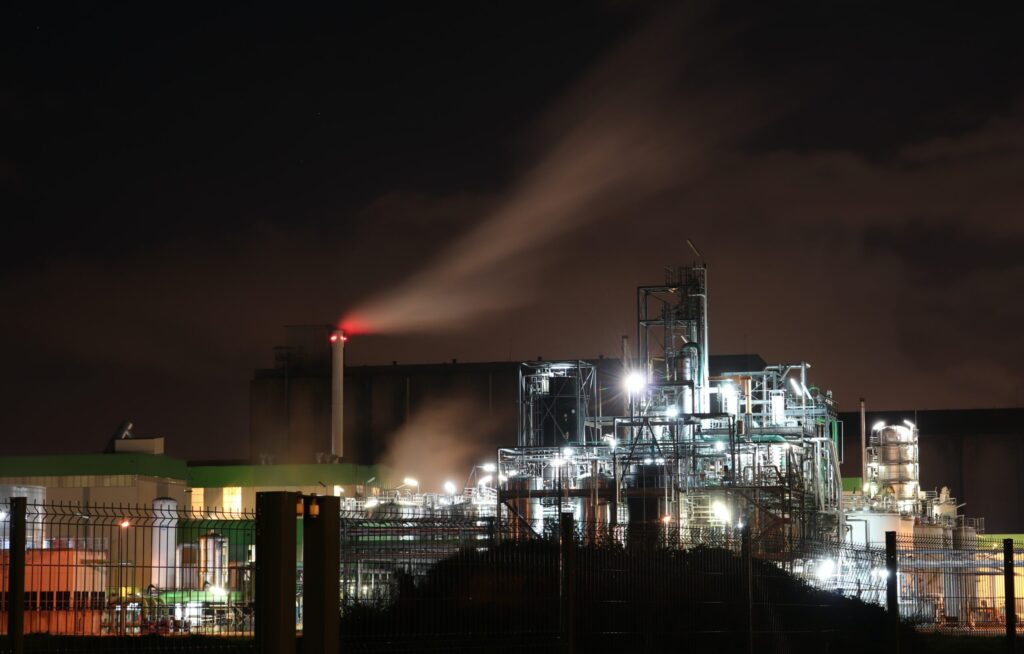
The Gulf Cooperation Council (GCC) economies faced an intricate economic landscape in the second quarter of 2023, marked by reduced oil production. This led to a 0.5 percentage point downward revision in growth forecasts for the GCC, setting the growth rate at 1.4% for the year. However, the region’s non-energy sectors have shown resilience, with robust growth in tourism-related industries. Rising energy prices, driven by global factors, have also played a pivotal role, with Brent oil reaching $90 per barrel. The impending inclusion of Saudi Arabia and the UAE into the BRICS group offers a ray of hope, fostering economic diversification and reducing reliance on the US dollar, setting the stage for a more optimistic future.
UK Businesses Seek Clarity Amidst Net Zero Challenge

Amidst the UK’s ambitious net zero carbon emissions target by 2050, a recent survey has shed light on the struggle small businesses face to comprehend and embrace the necessary changes. With just 8% of surveyed companies claiming a comprehensive understanding of the net zero implications, the British Chambers of Commerce (BCC) has urged the government for consistent guidance and an end to the “fog of conflicting information.” While more giant corporations are progressively disclosing their climate adaptation strategies, smaller entities are grappling with barriers such as EV charging infrastructure and renewable energy adoption. As the nation strives to achieve its net zero goal, collaboration and clarity are essential to empower businesses of all sizes.
Lost Russian oil revenue is bonanza for shippers, refiners
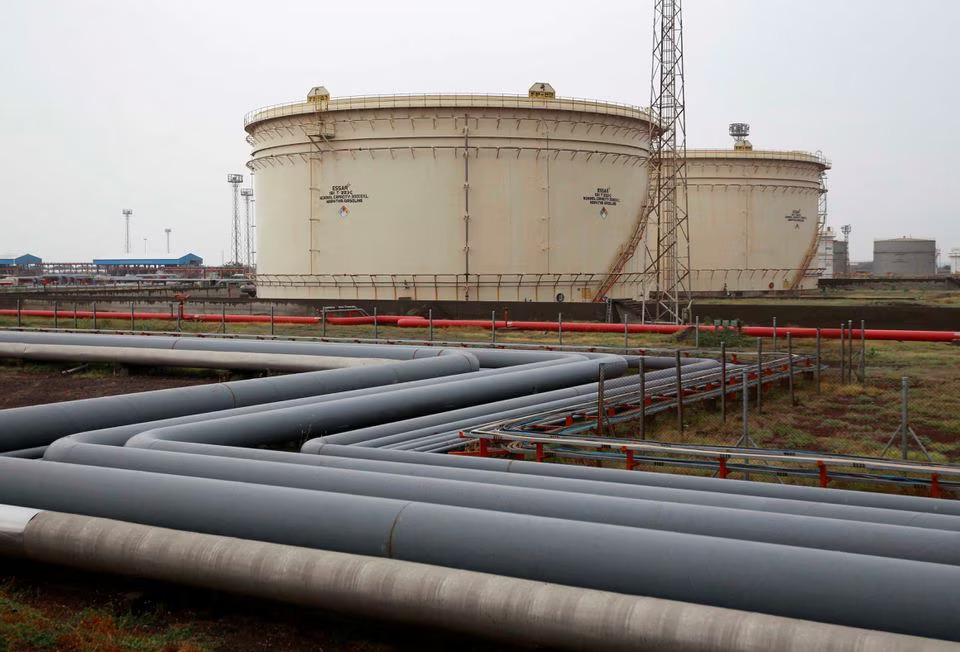
Western sanctions on Russia have significantly reduced state oil revenues and diverted tens of billions of dollars towards shipping and refining firms, some with Russian connections.
U.S. finalizes $2.5 billion loan to GM, LG battery joint venture
The U.S. Energy Department said on Monday it had finalized a $2.5 billion low-cost loan to a joint venture of General Motors and LG Energy Solution to help pay for three new lithium-ion battery cell manufacturing facilities.
Analysis: High energy prices could sink U.S. stocks during earnings season
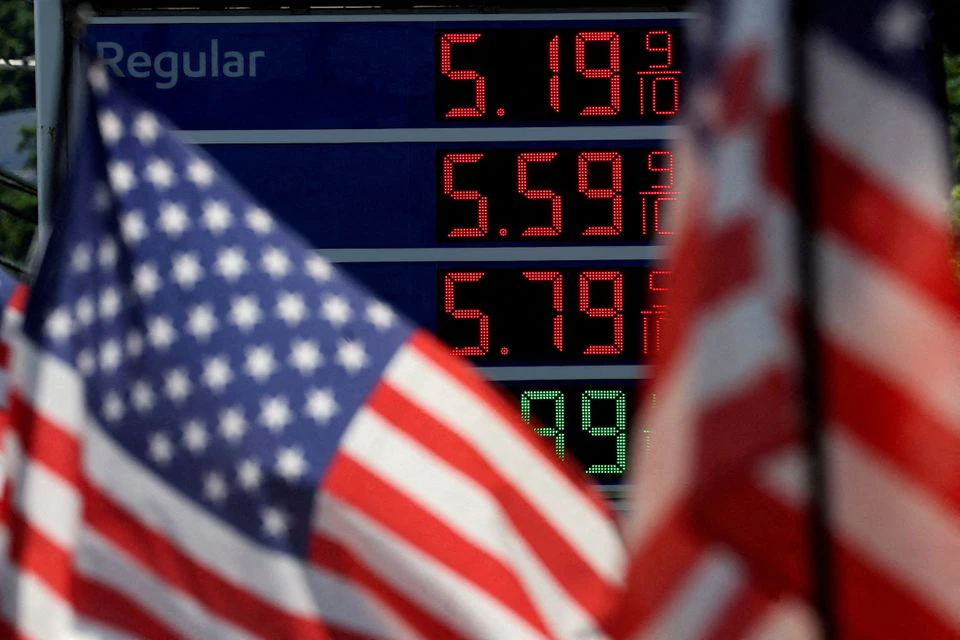
Sky-high oil prices pose yet another obstacle to U.S. corporate earnings, and some on Wall Street are worried this could sink stock prices even deeper into the red.
SoftBank Vision Fund posts $26 bln loss; Son pledges defence
Japan’s SoftBank Group Corp (9984.T) reported a record $26.2 billion loss at its Vision Fund investment arm on Thursday, as rising interest rates and political instability whiplashed high-growth tech stocks.
Omicron restrains U.S. manufacturing; supply bottlenecks slowly easing
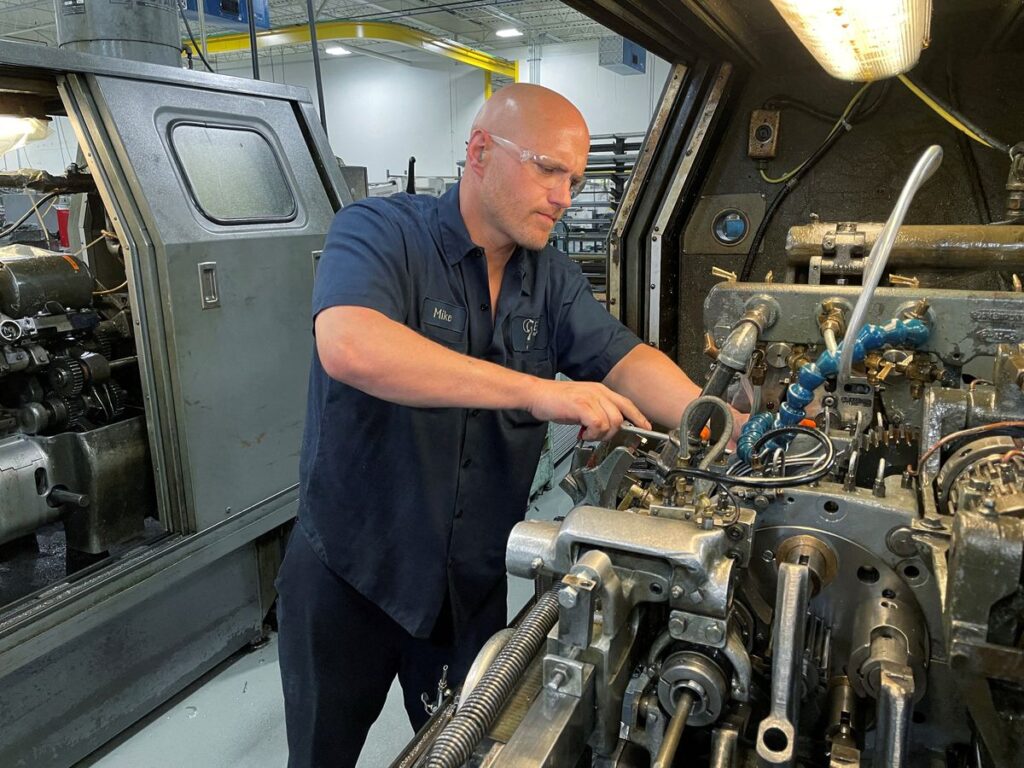
A measure of U.S. manufacturing activity fell to a 14-month low in January amid an outbreak of COVID-19 cases, supporting the view that economic growth lost steam at the start of the year.
Starbucks to hike prices to offset inflation; lowers profit guidance

Starbucks Corp (SBUX.O) will raise menu prices in 2022 and reduce some spending to offset soaring costs for labor and goods, as rising COVID-19 cases prompted the coffee chain on Tuesday to lower estimates for profits this year.
Singapore reviews inflation forecasts as core prices near 8-year high
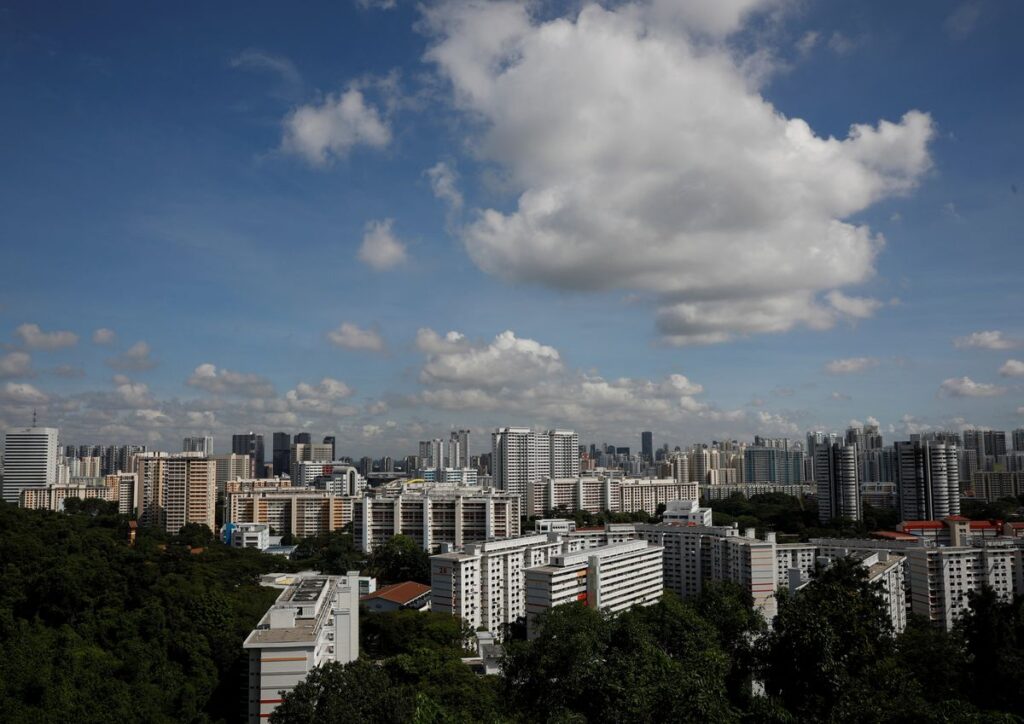
Singapore is reviewing its official inflation forecasts, authorities said on Monday, after data showed its key price gauge climbed in December by the fastest pace in nearly eight years, driven by a steep increase in air fares.
U.S. Thanksgiving air travel set to be busiest since pandemic began
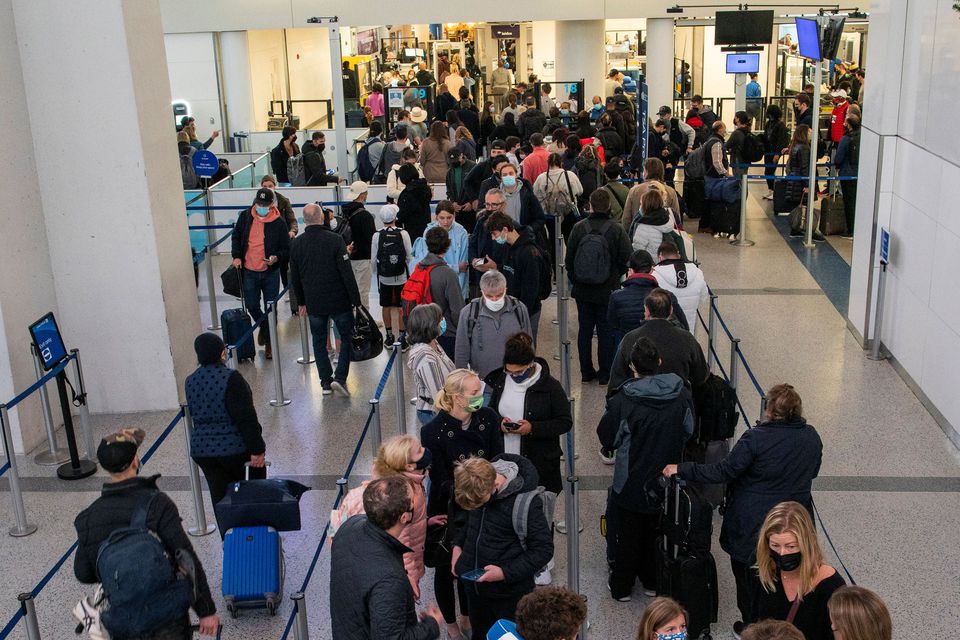
Airports and commercial airlines across the United States registered one of their busiest days since before the pandemic on Wednesday as millions of Americans traveled to visit loved ones for the Thanksgiving holiday.