

The Philippines Continues Diplomatic Conversation with China Despite Increasing Tensions in the South China Sea
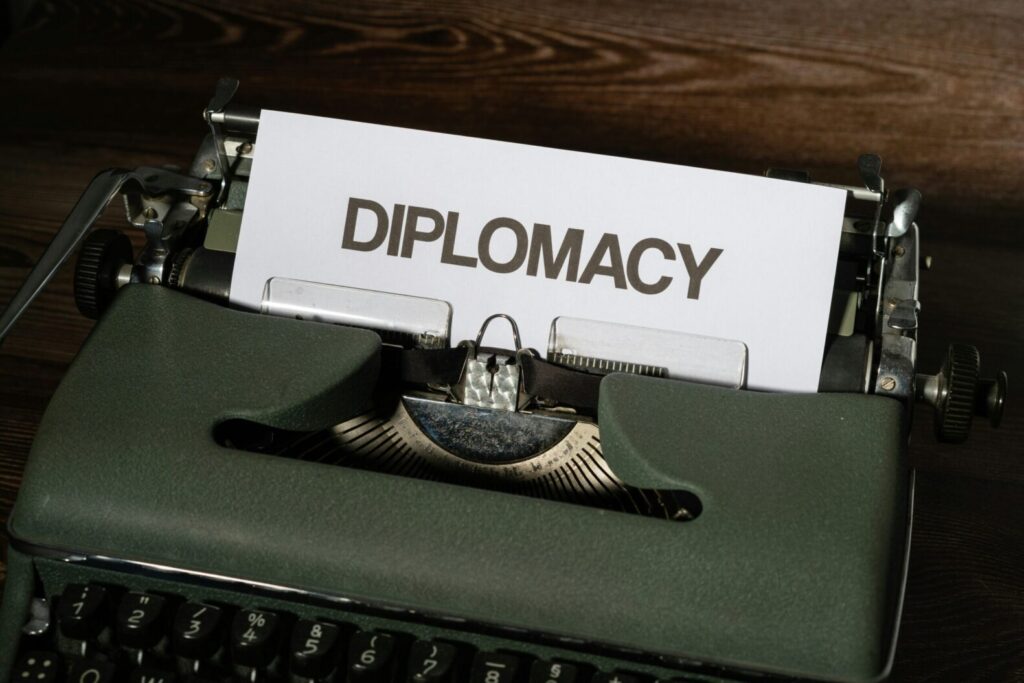
President Ferdinand Marcos Jr.’s call for continued dialogue with China underscores the Philippines’ commitment to resolving maritime disputes through diplomatic means. As regional tensions remain high, the upcoming summit and ongoing diplomatic efforts reflect a concerted push for stability and cooperation in the South China Sea.
China-Philippines Tensions Escalate Amid South China Sea Patrols
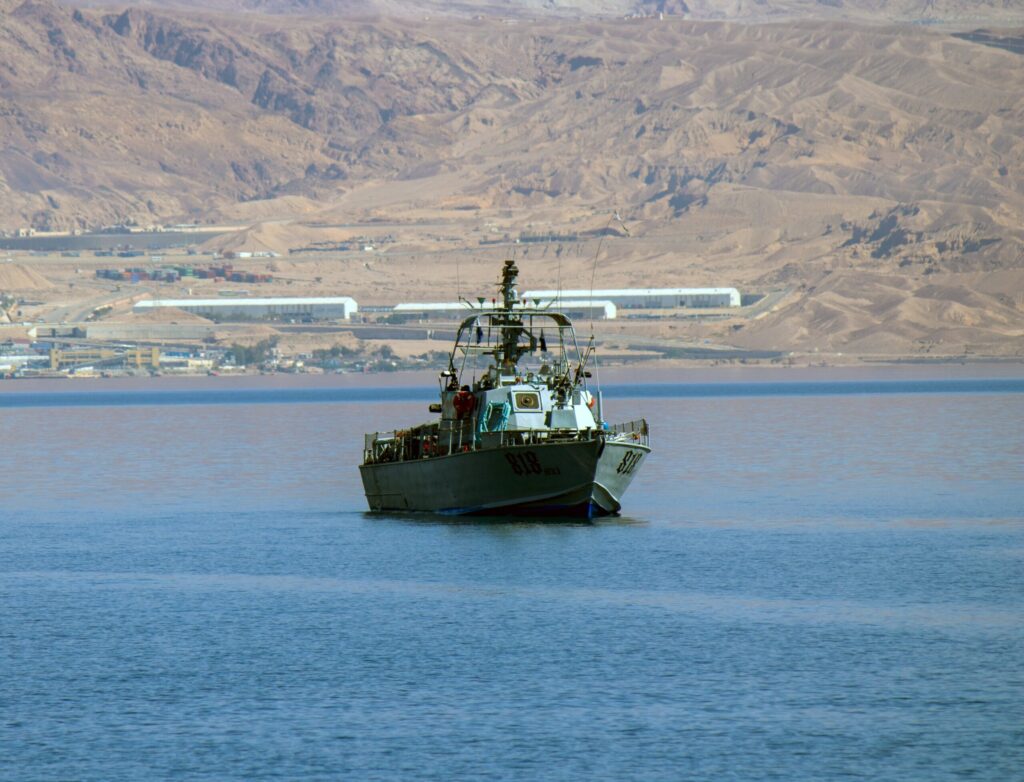
Tensions between China and the Philippines have escalated as China accuses the Philippines of engaging “foreign forces” in patrolling the South China Sea, hinting at potential involvement by the United States. The Chinese military’s southern theatre command stated that the Philippines has been causing disturbances since Tuesday, likely referring to joint patrols conducted near Taiwan in collaboration with the U.S. This accusation comes amid already strained relations over territorial disputes in the South China Sea, with the Philippines leaning towards closer ties with the U.S. under President Ferdinand Marcos Jr. The situation underscores the complex dynamics in the region and the delicate balance of power among nations with overlapping claims in the contested waters.
Philippines Denies Illegal Entry Into Chinese-Controlled Waters

Tensions in the South China Sea continue to simmer as the Philippines denies allegations of illegal entry into Chinese-controlled waters. The Philippines’ steadfast response highlights the persistent disputes over territorial claims in the region. The South China Sea has long been a flashpoint, with multiple nations vying for control of its islands, reefs, and maritime resources. The 2016 Arbitral Ruling invalidated China’s expansive claims, but Beijing has adamantly rejected the decision, exacerbating the conflict. The situation carries significant implications for regional stability, maritime security, and global trade routes, making it a matter of international concern.
China’s Disputed Shoal Encounter Prompts Tensions with Philippines
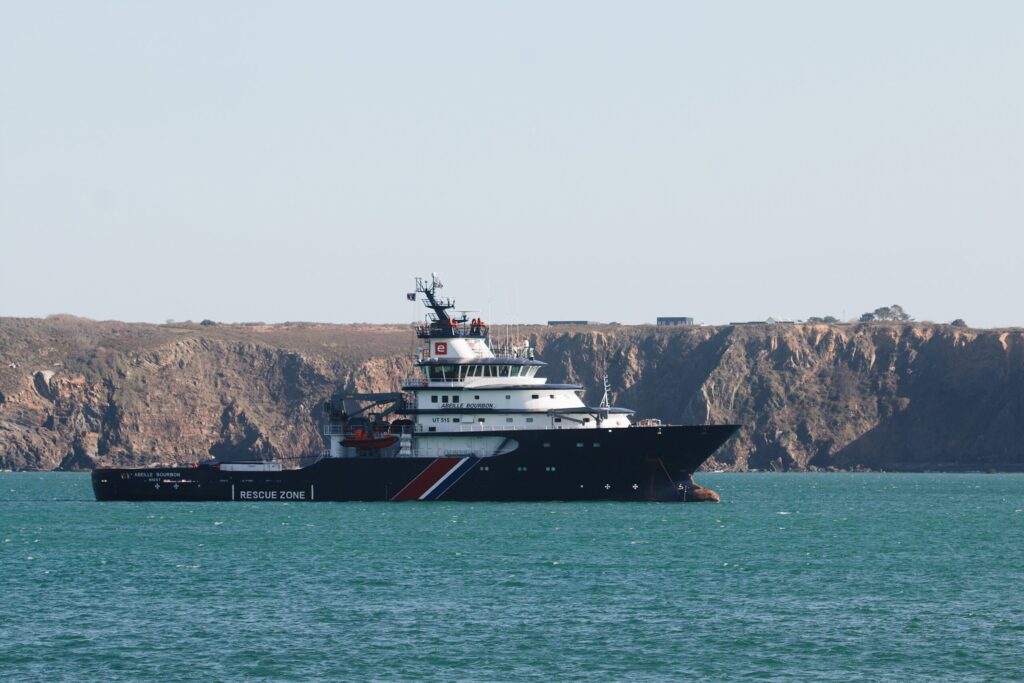
An incident at the Scarborough Shoal has ratcheted tensions between the Philippines and China as conflicting accounts of a naval encounter emerged. The disputed shoal remains a flashpoint for sovereignty and fishing rights despite international efforts to address these disputes. The ongoing rivalries in the South China Sea pose a significant challenge to regional stability, involving nations like the Philippines, China, Vietnam, and Taiwan. The incident underscores the need for diplomatic solutions to avoid further escalation in this strategically vital and resource-rich region. President Ferdinand Marcos’s pro-U.S. stance adds complexity to the Philippines-China relationship, making this dispute a focal point in the ongoing struggle for control and influence.
Tensions Escalate in South China Sea as Philippines Challenges Chinese Barrier

The escalating tensions in the South China Sea have reached a critical point as the Philippines takes a stand against China’s installation of a floating barrier at Scarborough Shoal. This move has further strained the territorial disputes involving multiple nations in the region. The Philippines, backed by a 2016 UN arbitration decision, asserts its exclusive economic rights over Scarborough Shoal, which China continues to challenge. This development underscores the need for diplomatic efforts to address these complex disputes and prevent any escalation in the resource-rich South China Sea. The situation is particularly sensitive, given the involvement of the United States as a treaty ally of the Philippines, emphasizing the importance of finding peaceful resolutions.
India Strengthens Naval Presence in South East Asia to Bolster Regional Security
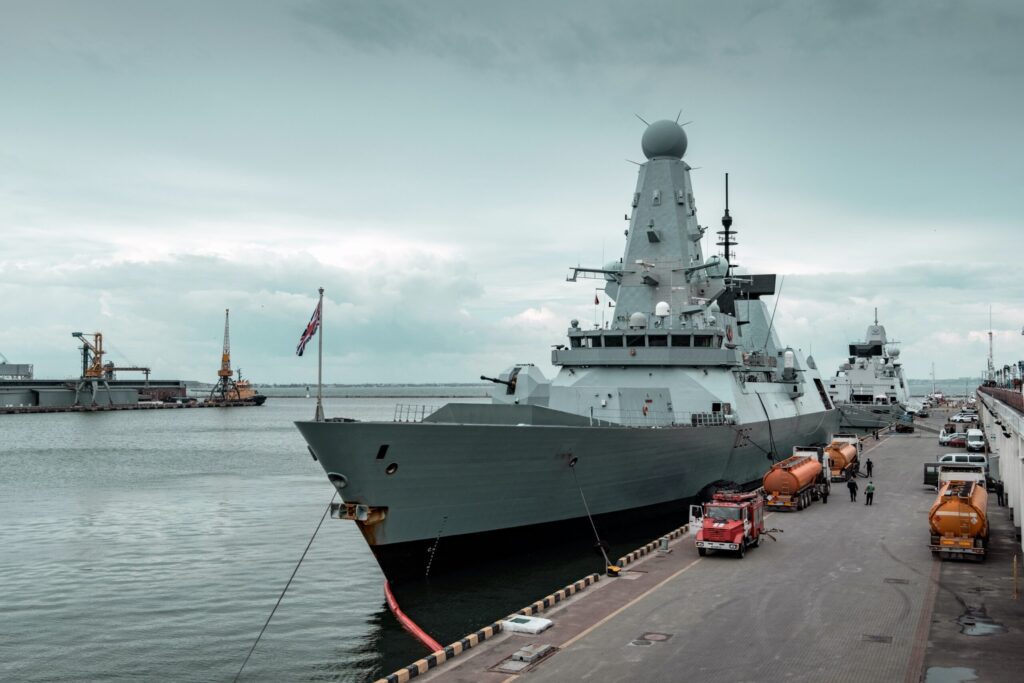
India’s recent naval deployment to Singapore for the “SIMBEX” bilateral combat exercise highlights the nation’s commitment to enhancing military interoperability in Southeast Asia. The participation of two advanced warships, a submarine, and a maritime patrol aircraft underscores India’s role in regional security efforts. This exercise, in its 30th edition, is the longest continuous naval engagement between India and any foreign nation. It encompasses a wide range of combat drills, from air defense exercises to anti-submarine warfare. India’s proactive engagement in the region reflects its concerns over regional stability and its commitment to building strong defense partnerships.
US-ASEAN Business Council and Philippines Forge Defense Partnership Amidst Rising Tensions

The United States-Asean Business Council (US-ABC) is taking a proactive stance by engaging in a collaborative effort with the Philippines to enhance the nation’s defense capabilities amidst growing tensions in the West Philippine Sea. Discussions involving Defense Secretary Gilbert “Gibo” Teodoro Jr. and the US-ABC delegation, led by President and CEO Ted Osius, have explored various avenues of cooperation to strengthen defense and security sectors. This strategic move aligns with the US-ABC’s commitment to fostering partnerships between the US and ASEAN nations, from cybersecurity and healthcare initiatives to technological advancements and sustainable energy solutions. The initiative addresses immediate security concerns and emphasizes the significance of international collaborations in maintaining stability and innovation in a complex geopolitical landscape.
Analysis: Scalded by Russia, investment funds tread carefully in China

China, the only big economy promising a growth rebound this year, is again luring foreign investors. Yet the fear that Beijing may someday end up as ostracised from global markets as Russia is keeping a lid on demand.