

Oman’s Fiscal Turnaround, A Deep Dive into the 2023 Debt Reduction and 2024 Budgetary Plans

In a noteworthy fiscal turnaround, Oman’s public debt has seen a substantial reduction, dropping to 35% of the GDP in 2023 from nearly 70% in 2020. This commendable shift is attributed to the sultanate’s fiscal reforms and a boost from higher-than-expected oil prices. The 2023 debt-to-GDP ratio of 35% reflects Oman’s commitment to responsible financial management, marking a significant improvement from previous years. The unexpected surplus of approximately RO931 million in the 2023 budget underscores the success of proactive measures and prudent fiscal policies. Looking ahead, Oman’s 2024 budget prioritizes stability, debt reduction, and strategic deficit financing to strengthen the nation’s economic resilience further.
Navigating Inflation Trends and Fiscal Resilience in Oman

Oman’s recent economic landscape reveals a noteworthy decline in inflation, reaching its lowest level since March 2021. The Sultanate’s Consumer Price Index (CPI) dropped to 0.30% in October 2023, showcasing a consistent decrease attributed to global factors and government measures. The strategic regulation of fuel prices and exemptions for essential commodities from value-added tax played a pivotal role in curbing inflation. Various sectors, including food and transportation, contributed to this trend, with food items experiencing slower inflation due to reduced prices of key commodities. The International Monetary Fund (IMF) anticipates Oman to maintain the lowest inflation rate in the GCC, highlighting the country’s fiscal resilience and strategic economic reforms.
Global Tensions and Rising Oil Prices Dent Indian Markets

The Indian stock market faced a challenging start to the week, with global volatility and heightened oil prices stemming from escalating Middle East tensions taking a toll. Market indices, particularly the Nifty 50 and Sensex, experienced early declines, largely influenced by losses in financial services and banking sectors. Despite this, small- and mid-cap stocks held their ground, indicating domestic investors’ resilience. Concerns were raised about the potential ripple effects on India’s economy and markets if the Middle East conflict leads to a significant oil price surge. Individual stocks, like Avenue Supermarts and Delta Corp, were also impacted, while HDFC Bank’s eagerly awaited quarterly results added to the market’s uncertainty.
Middle East Tensions Roil Global Markets as Oil Prices Surge

The sudden escalation of conflict in the Middle East sent shockwaves across global markets. Oil prices surged by almost $5 a barrel as concerns grew over potential disruptions to crucial oil supplies due to the involvement of neighbouring Middle Eastern countries. The New York Stock Exchange saw initial declines, with defence companies like Lockheed Martin experiencing gains, while travel and leisure sectors faced setbacks due to service suspensions. Israel’s stock market remained volatile, prompting intervention by its Central Bank to stabilize the shekel. The unfolding situation in the Middle East continues to unsettle global markets, raising concerns about inflation and economic growth.
Oil prices edge down, recession fears back in focus

Oil prices fell on Friday amid recession fears and a stronger U.S. dollar, though losses were capped by supply concerns after Moscow’s new mobilisation campaign in its war with Ukraine and an apparent deadlock in talks on reviving the Iran nuclear deal.
Oil prices rise as supply uncertainty mounts

Oil prices rose on Monday as Iranian nuclear talks appeared to hit obstacles and an embargo on Russian oil shipments loomed, with tight supply struggling to meet still robust demand.
Russian rouble leaps to more than 2-week high past 60 vs dollar

The rouble surged to more than two-week highs on Thursday against the dollar and euro and Russian stocks edged higher, helped by stronger oil prices and an upcoming tax period that usually boosts rouble demand.
Oil stays near multi-month lows on demand worries
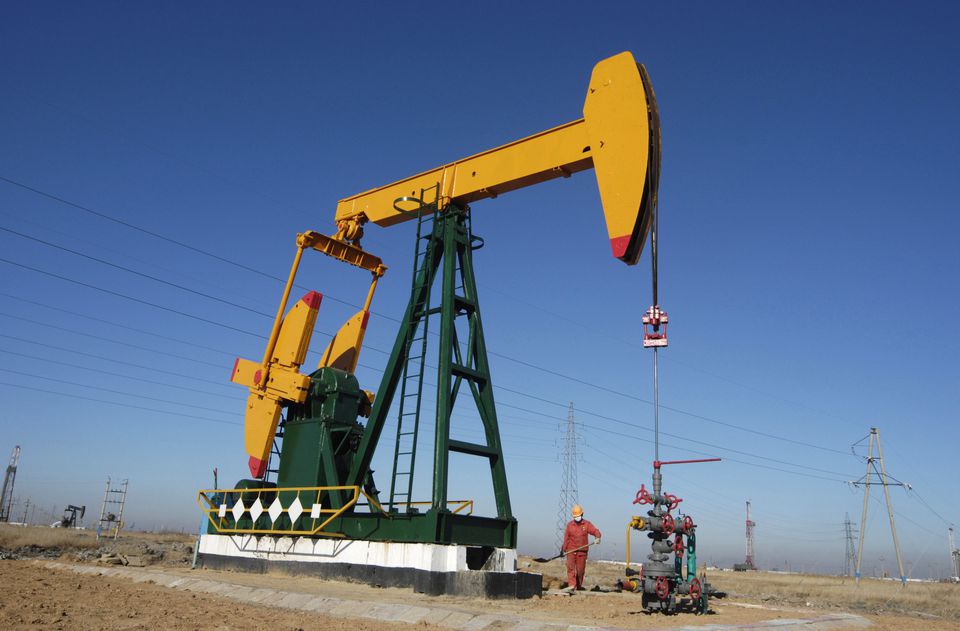
Oil prices inched up from multi-month lows on Monday as lingering worries about demand weakening on the back of a darkened economic outlook outweighed some positive economic data from China and the United States.
Oil rises in volatile trade, Fed hike weighs
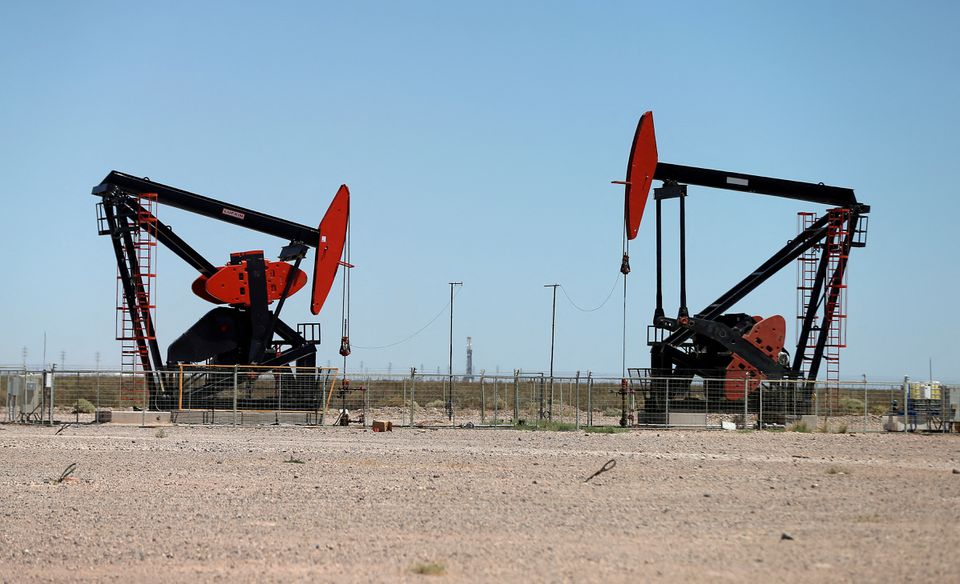
Oil prices rose on Monday in seesaw trading as the market balanced supply fears with expectations that rise in U.S. interest rates would weaken fuel demand.
Oil prices fall as Libya resumes output, global demand outlook darkens
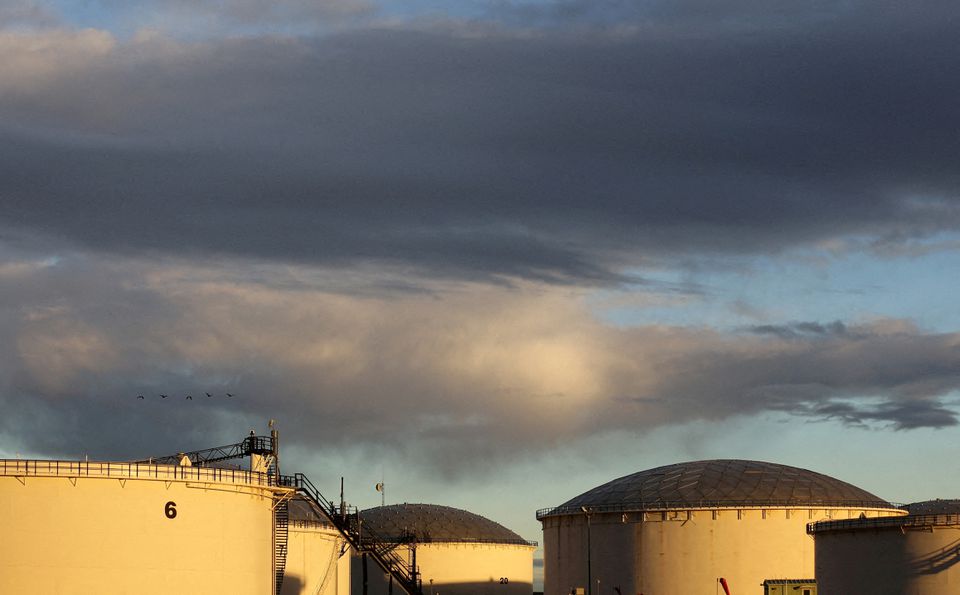
Oil prices fell on Friday on a weakening global demand outlook and the resumption of some Libyan crude oil output.