

FTC’s Crackdown on False ‘Made in USA’ Labels: Upholding Transparency in Consumer Choices

In a bid to preserve consumer trust, the Federal Trade Commission (FTC) is actively tackling deceptive “Made in USA” claims, as exemplified by the recent case involving Chaucer Accessories. This legal scrutiny echoes a broader crackdown on misleading advertising, with historical cases involving Electrowarmth Products and Instant Brands. The stringent requirements for “Made in USA” labeling demand that manufacturers ensure transparency about a product’s origin, aiming to empower consumers with accurate information. Chaucer’s attempt to comply by labeling products as “Made in USA from Global Materials” faced challenges, underscoring the complexities of adhering to regulatory standards. Beyond legal ramifications, these actions highlight the broader impact of deceptive claims on both consumers and honest businesses striving for transparency in a global marketplace.
Hyundai and Kia Recall 91,000 US Vehicles Over Fire Risks

Hyundai Motor and Kia have issued a recall for over 91,000 vehicles in the US due to fire risks. The companies have identified potential issues with electronic controllers in the Idle Stop & Go oil pump assembly. Owners are urged to park their vehicles outside and away from structures until repairs are completed. Both manufacturers are committed to ensuring customer safety and will inspect and replace the electric oil pump controller as needed. This proactive approach demonstrates their dedication to addressing potential risks and prioritizing consumer well-being.
Sony, Honda roll out prototype of ‘Afeela’ EV that uses Qualcomm tech

Japan’s Sony on Wednesday unveiled a prototype of the new “Afeela” electric vehicles it will build together with Honda, saying it would harness its vast entertainment content as it looks to become a player in next-generation cars.
Gas price surge, recession fears weigh on European shares
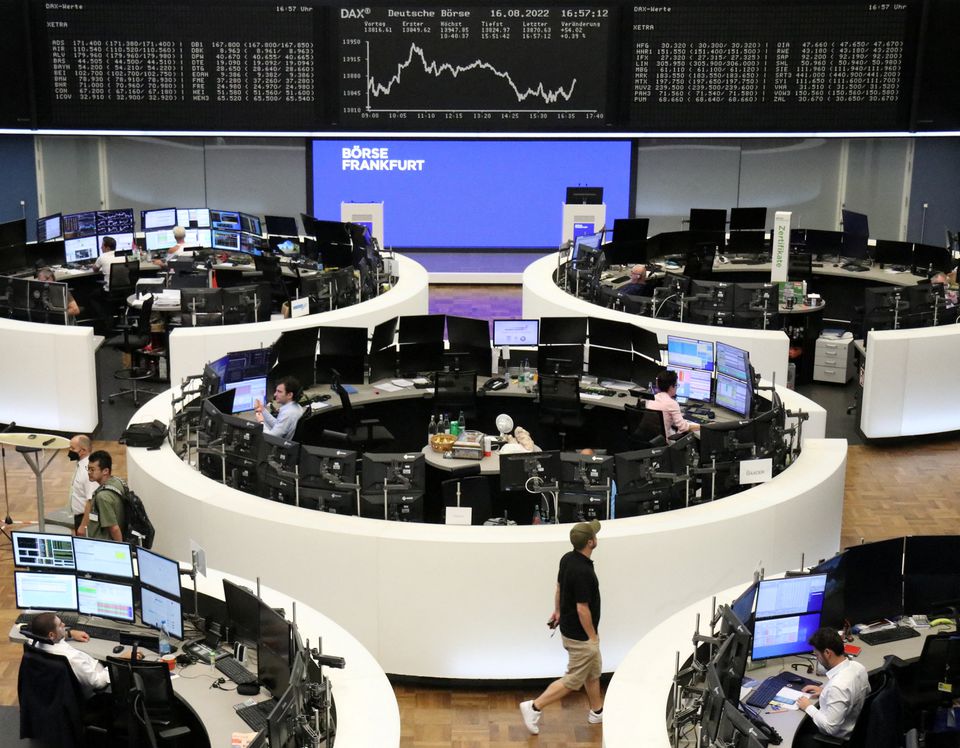
European shares slipped on Tuesday as investors fretted about soaring energy prices and a weak economic outlook after data showed business activity in the region contracted this month.
Trade war with China could cost Germany six times as much as Brexit, study says
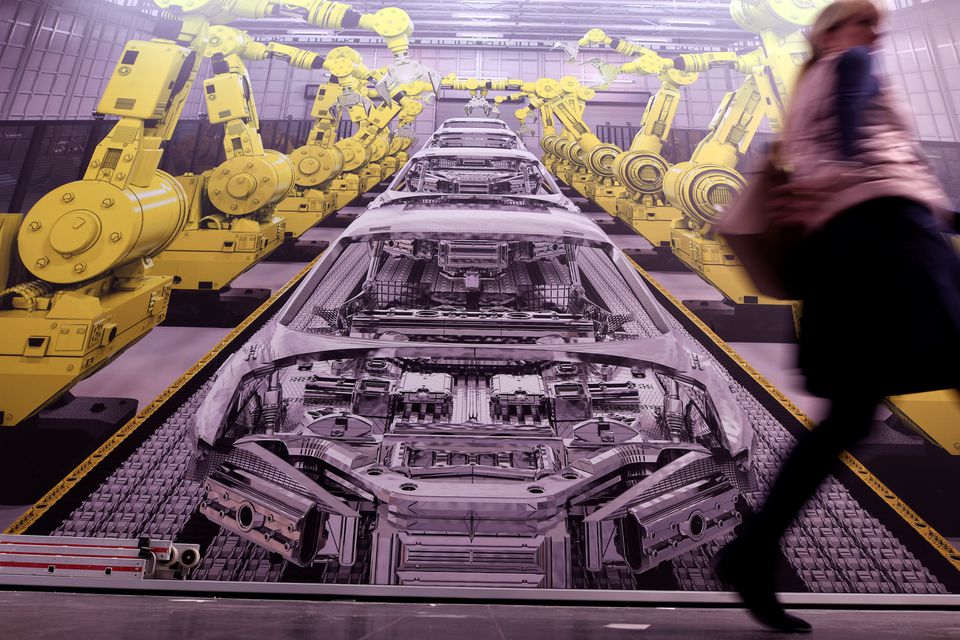
Germany would face costs almost six times as high as Brexit if it and the European Union were to shut China out of their economies, the Ifo institute said on Monday, citing the results of a study.
U.S. chip industry split over CHIPS act benefits to Intel

Several U.S. semiconductor firms are deliberating whether to oppose a package of chip industry subsidies if the final language of the legislation awaiting a vote in the Senate disproportionately benefits manufacturers like Intel Corp (INTC.O), sources familiar with the matter told Reuters.
Explainer: How sanctions against Russia are battering the global aviation industry

Russia’s size and close integration into the global aviation industry since the end of the Cold War means sanctions related to its invasion of Ukraine are having outsized consequences relative to earlier freezes on Iran and North Korea.
UK businesses report weakest growth since last lockdown – CBI

British businesses have reported their weakest growth since the country was under lockdown earlier this year and they expect a further slowdown in early 2022, the Confederation of British Industry (CBI) said on Thursday.
Asian factories shake off supply headaches but Omicron presents new risks
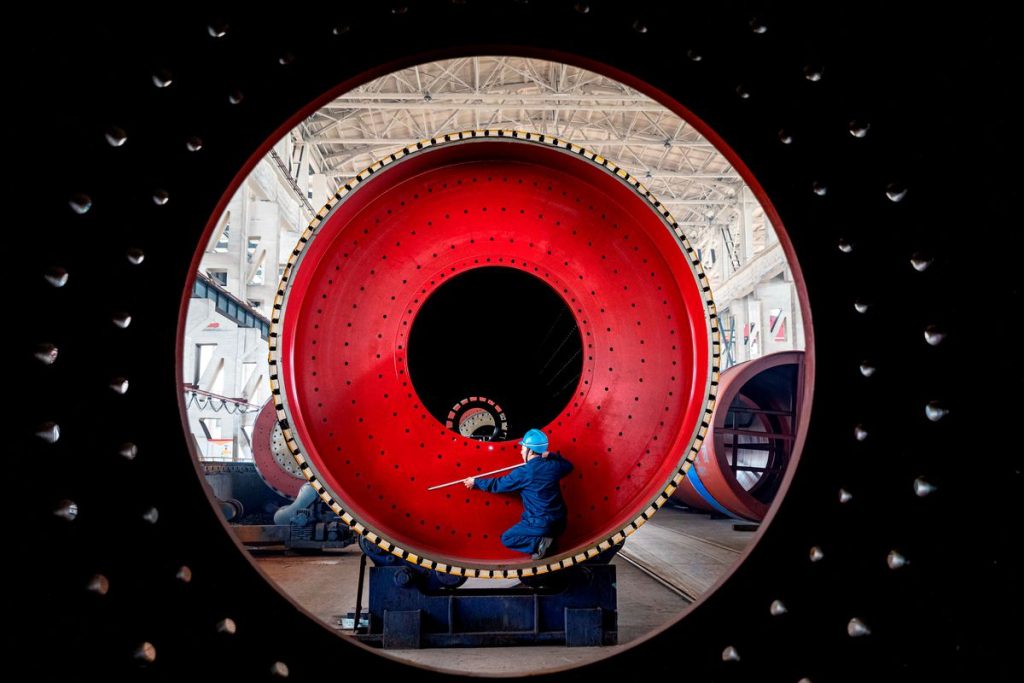
Asian factory activity grew in November as crippling supply bottlenecks eased, but rising input costs and renewed weakness in China dampened the region’s prospects for an early, sustained recovery from pandemic paralysis.
Analysis: U.S. company results in industrial, materials sectors could shed light on inflation woes

Corporate results in the industrial and materials sectors could offer a snapshot of how companies in a key swath of the U.S. economy are dealing with surging inflation, supply chain bottlenecks and higher commodity prices.