

Trudeau’s Policy Pivot; The Canadian Carbon Price Suspension and Its Implications

Prime Minister Justin Trudeau’s suspension of the carbon tax on home heating oil in Canada’s eastern provinces demonstrates a significant policy shift. This decision, a response to political pressure and the concerns of voters, grants residents in the Atlantic region a three-year window to transition to electric heat pumps. The move aims to alleviate the rising cost of living and energy expenses, particularly in the Atlantic provinces, where the carbon tax only recently came into effect. While the suspension signifies a deviation from Trudeau’s climate policies, it underscores the government’s commitment to supporting residents in adapting to cleaner heating methods. However, it also raises questions about the long-term effectiveness of carbon pricing in driving sustainable investments.
ACWA Power-led Consortium’s $2.4 Billion Al-Shuaibah Solar Projects Set to Energize Saudi Arabia
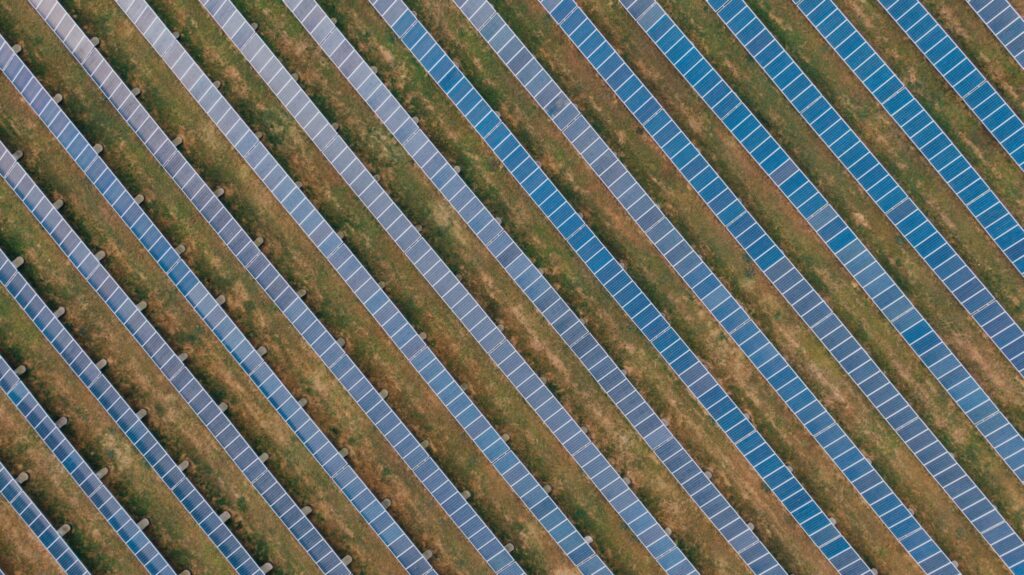
ACWA Power’s $2.4 billion Al-Shuaibah solar projects have brought Saudi Arabia’s renewable energy aspirations to the forefront. Led by ACWA Power, in collaboration with the Public Investment Fund (PIF) and Saudi Aramco subsidiaries, the financial closure signifies a significant step towards a sustainable energy future. With Al Shuaibah 1 and Al Shuaibah 2 solar PV projects boasting a combined capacity of over 2.6 GW, they hold the potential to power nearly 450,000 households and significantly reduce carbon emissions. The commitment of key financial institutions, like First Abu Dhabi Bank and Standard Chartered Bank, reflects the growing synergy between private and public sectors in advancing clean energy projects. As the projects gear up for commercial operations in 2025, Saudi Arabia’s position as a leader in the global renewable energy landscape is further solidified.
Oman’s Ministry of Labour Opens Doors to Over 900 Government Job Vacancies

The Ministry of Labour’s latest announcement of 909 government job vacancies is a significant stride towards enhancing employment opportunities in Oman. These diverse positions, spanning various educational qualifications, underscore the government’s commitment to inclusivity and skills development. It’s noteworthy that this announcement is part of a well-thought-out strategy to meet the genuine staffing needs of government units, aligning with the country’s growth vision. By offering opportunities to candidates ranging from bachelor’s degree holders to those with general education diplomas, the MoL promotes a dynamic and adaptable workforce. This move is a testament to Oman’s dedication to nurturing its human capital and sustaining economic development.
Middle East’s Asset Management Industry Navigates Growth Challenges and Seeks New Avenues

The Middle East’s asset management industry defies economic headwinds with $1.3 trillion in assets under management, marking a remarkable 7 percent compound annual growth rate. While outperforming European and American peers, leaders in the region face a critical turning point. They must reassess strategies to regain profit growth and navigate a changing landscape. Prioritizing profitability, exploring high-growth alternative investments, and embracing technology for personalized client experiences are key strategies for success. The industry’s resilience and adaptability position it for continued growth in the Middle East’s dynamic market.