

England’s Junior Doctors Stage Unprecedented Six-Day Strike Amid Soaring Inflation

In an unprecedented move, England’s junior doctors, represented by the British Medical Association, are commencing a historic six-day strike, posing a formidable challenge to the National Health Service (NHS) during its winter peak. The strike, fueled by the demand for improved pay amid soaring inflation, adds strain to an NHS that has already canceled 1.2 million appointments in 2023 due to earlier strikes. Despite the government’s offer of an 8-10% pay increase, the BMA’s rejection in favor of a 35% raise underscores a deepening crisis within the healthcare sector. With over 7.7 million patients on waiting lists, the strikes heighten concerns about the NHS’s ability to handle the simultaneous pressures of Covid, flu, and staff shortages. The discontent among junior doctors reflects broader issues of underinvestment, record waiting lists, and a decade of pay erosion, signaling a critical juncture for the UK’s healthcare system.
Navigating Inflation Trends and Fiscal Resilience in Oman

Oman’s recent economic landscape reveals a noteworthy decline in inflation, reaching its lowest level since March 2021. The Sultanate’s Consumer Price Index (CPI) dropped to 0.30% in October 2023, showcasing a consistent decrease attributed to global factors and government measures. The strategic regulation of fuel prices and exemptions for essential commodities from value-added tax played a pivotal role in curbing inflation. Various sectors, including food and transportation, contributed to this trend, with food items experiencing slower inflation due to reduced prices of key commodities. The International Monetary Fund (IMF) anticipates Oman to maintain the lowest inflation rate in the GCC, highlighting the country’s fiscal resilience and strategic economic reforms.
Inflation Eases in October, A Glimmer of Hope for Consumers Amidst Economic Uncertainties

In October, consumer prices in the U.S. rose by 3.2% compared to the previous year, signaling a noteworthy slowdown and offering respite for consumers. The data reflects a 0.5% decline from September, showcasing progress in the Federal Reserve’s campaign to curb inflation. While the drop in gas prices contributed to this decline, core inflation, excluding food and energy prices, only slightly decreased to 4.0% in October. The positive development comes amid robust economic growth, with the GDP expanding at a rate of 4.9% over the three months ending in September. However, challenges such as rising long-term borrowing costs and record-high credit card debt pose potential risks to sustained economic growth.
Assessing Canada’s Economic Challenges Amidst the Threat of Recession

The Canadian economy’s recent performance paints a sobering picture, with stagnant GDP figures in August and a looming threat of recession in the third quarter. These challenges have arisen in the wake of the Bank of Canada’s decision to maintain interest rates, a reflection of the economic slowdown. While high inflation and forest fires have played a role in this predicament, the unexpected nature of this economic struggle has caught many by surprise. It remains to be seen how the central bank will navigate these turbulent waters, with market sentiments signaling increased uncertainty about Canada’s economic future.
The Bank of England’s Vigilant Monitoring of Interest Rates Maintains Stability in the Face of Economic Uncertainty

The Bank of England’s upcoming interest rate decision underscores the fine balance it must strike in managing inflation and supporting the economy in the post-pandemic era. Recent comments from officials suggest confidence in the impact of previous rate hikes on tempering inflation, but the economic landscape remains uncertain. With rising inflation and fluctuating economic data, the MPC faces the challenge of making a well-informed decision. While a majority is expected to favor unchanged rates, some more hawkish members will likely push for a slight rate hike. The decision aligns with global central banks’ efforts to combat inflation while nurturing economic growth.
UK Businesses Defy Economic Headwinds with Surging Optimism Amid Inflation Concerns

Amidst a backdrop of economic complexities, the United Kingdom’s business landscape is witnessing an unexpected surge in confidence. Despite inflationary concerns and the trajectory of interest rate adjustments, British companies exhibit their highest optimism levels since a pivotal juncture preceding geopolitical tensions. The interplay between rising positivity, evolving wage dynamics, and pricing sentiments showcases the multifaceted nature of the business environment. As the nation treads the delicate balance between economic stability and inflation management, the resilience of UK businesses shines through, shaping a narrative of adaptability and growth. A collaborative approach between stakeholders will be instrumental in steering the nation’s economic course through these shifts.
Bank of England Faces Dilemma as Inflation Unexpectedly Falls in August

The unexpected drop in UK inflation for August has thrown the Bank of England’s upcoming interest rate decision into uncertainty. Official data revealed a slight decrease in the consumer price index (CPI), from 6.8 percent in July to 6.7 percent, contrary to economists’ predictions of a seven percent figure. This surprising decline is attributed to lower food prices and reduced costs for overnight accommodation, somewhat offsetting the rising energy expenses. Core inflation, which excludes volatile components, experienced a more significant drop, falling to 6.2 percent in August. As the Bank of England faces this dilemma, observers are keen to see how they will balance economic recovery with inflation management.
The Delicate Balancing Act of Interest Rates, Bank of England’s Dilemma Amidst Persistent Inflation

Navigating the complexities of persistent inflation, the Bank of England faces a crucial dilemma. While some economists argue for sustained higher interest rates to combat firmly-rooted inflationary pressures, others predict this may lead to a mild recession. The Bank’s cautious approach, likened to the steady ascent of Table Mountain, aims to strike a balance between inflation control and economic stability. Recent economic resilience, with a 0.5% growth in July, muddles the picture, suggesting that a premature rate reduction might not be warranted. As the Bank monitors these variables, the path forward remains nuanced and pivotal for the UK’s economic trajectory.
Bank of England Set to Tackle Inflationary Pressures with Potential Interest Rate Hike

The Bank of England’s potential interest rate hike reflects its commitment to tackling inflationary challenges and ensuring economic stability. As global central banks grapple with rising inflation, striking the right balance between curbing consumer spending and supporting sustainable growth remains a top priority. The UK’s economic resilience, as forecasted by the IMF, presents a glimmer of hope amid uncertainties. The BoE’s measured approach in implementing interest rate adjustments will be instrumental in steering the economy towards a path of long-term prosperity and financial well-being.
UK Banks Show Resilience Amid Rising Interest Rates, Offering Support to Struggling Households
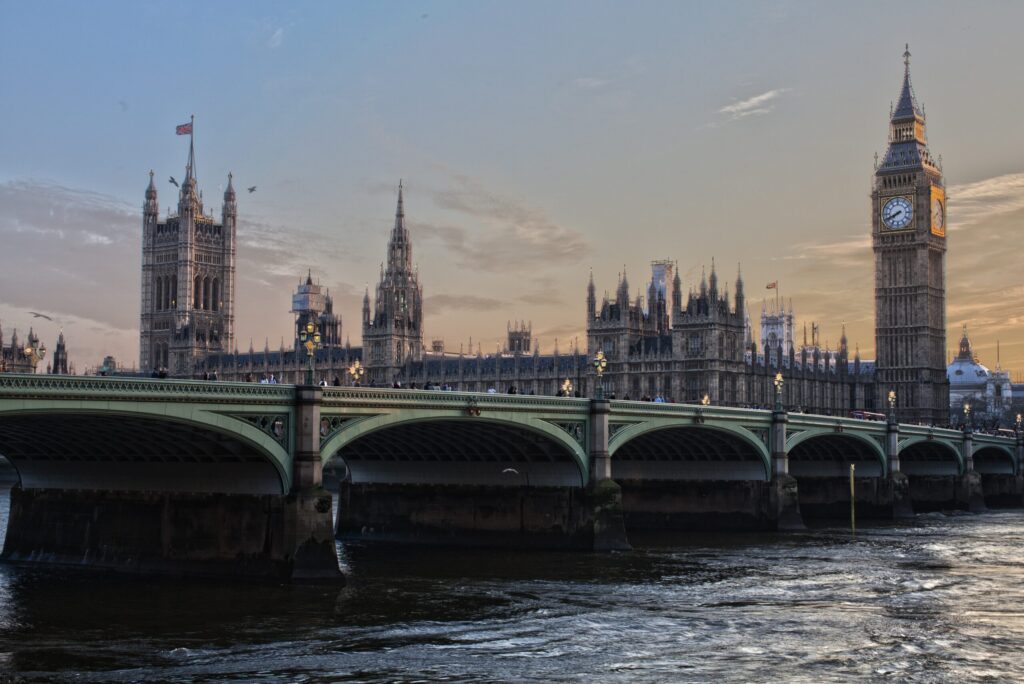
The Bank of England’s recent assessment provides reassurance that major UK banks are well-positioned to support struggling households amid rising interest rates. With a focus on managing potential risks and offering financial options to borrowers, the banking sector aims to mitigate the impact of increasing debt burdens. As individuals navigate the changing landscape, proactive financial management and open communication with lenders will play a significant role in achieving stability and mitigating potential hardships.