

Afghanistan’s Fight to Recover from the Recent Humanitarian Crisis Following the Devastating Earthquakes

The recent series of earthquakes in Afghanistan has left behind a trail of destruction and has also unveiled the nation’s dire need for immediate humanitarian support. The high casualties among women and children are a poignant reminder of the vulnerabilities faced by Afghanistan’s most marginalized populations. While the Afghan Taliban grapples with providing shelter for the affected, their tenuous relationship with international aid organizations poses a complex challenge. The seismic events have underscored the necessity for short-term relief efforts and long-term structural reinforcement to protect against future earthquakes. As the nation navigates through these tumultuous times, international support and the resilience of its people become beacons of hope for recovery and reconstruction.
Impact of Singapore’s Economic Slowdown on Non-Resident Indians

Singapore’s economic slowdown and declining job market have raised concerns among non-resident Indians (NRIs) residing in the city-state. As the country faces challenges such as a contraction in the economy and declining exports, NRIs may find it more challenging to secure employment opportunities. However, amidst these difficulties, there are also opportunities to be found. Sectors like information and communication technologies and financial services continue to show resilience, indicating potential skill-specific job openings. To navigate this changing landscape, NRIs should focus on adapting their skills, networking, and staying updated with industry trends. By doing so, they can position themselves to overcome challenges and contribute meaningfully to Singapore’s economy.
Here’s how governments can reduce the impacts of Asia’s devastating flash floods
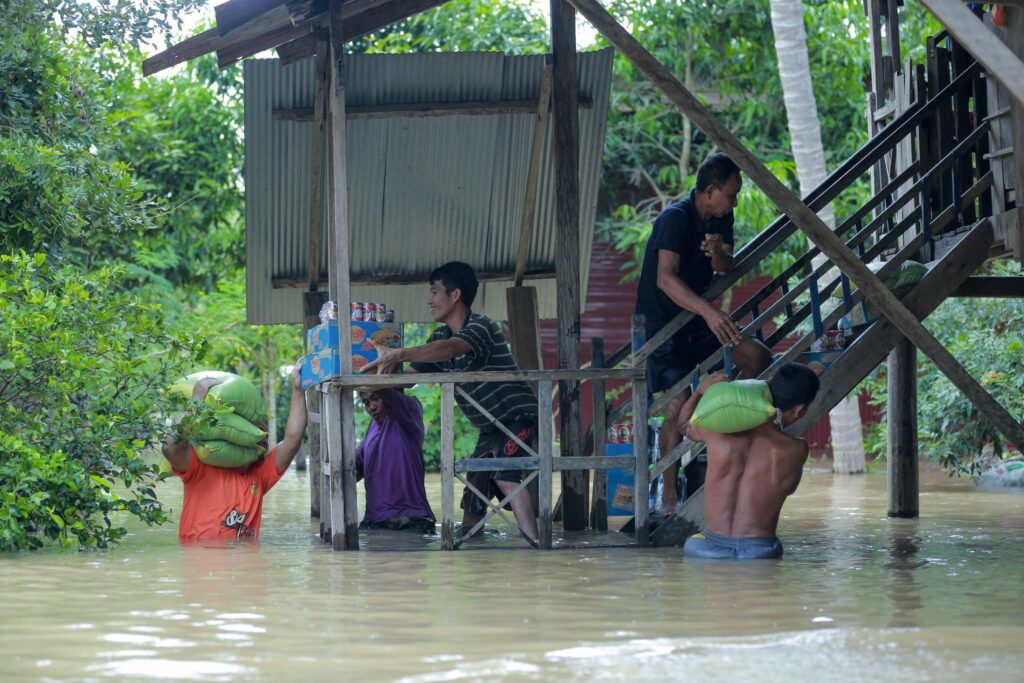
Flash floods have increased and become more unpredictable, and their toll on lives and livelihoods is growing as well. There is much we still don’t know about how to manage floods, but there are key policy actions we can take now.
The social cost of carbon and inequality

The social cost of carbon is a monetary metric for the damage caused by the emission of an additional tonne of CO2. Previous literature has shown that accounting for inequality between countries significantly influences the social cost of carbon, but mostly omits heterogeneity below the national level. Using a model that features heterogeneity both between and within countries, this column demonstrates that climate and distributional policy can generally not be separated. In particular, it shows that a higher social cost of carbon may be called for globally under realistic expectations of existing inequality.
The impact of COVID-19 on artificial intelligence in banking

COVID-19 has not dampened the appetite of European banks for machine learning and data science, but may in the short term have limited their artificial-intelligence investment capacity.