
Oman LNG’s Flourishing Gas Supply Agreements in 2023 Signal Growth and Global Expansion

Oman LNG’s recent surge in gas supply agreements signifies a pivotal moment for the company and Oman’s energy landscape. With 14 binding long-term agreements inked in 2023 alone, Oman LNG solidifies its role as a major player in the liquefied natural gas market. These deals extend Oman’s reach into diverse global markets, including the Middle East, East Asia, and Europe. The commitment to supply 10.4 million metric tonnes of LNG annually from 2025 onwards underlines Oman LNG’s dedication to supporting the national economy and enhancing its strategic partnerships with international energy corporations. This impressive growth reflects Oman LNG’s efficiency and investor confidence, securing its place on the global energy stage.
Oman Navigates Oil Export Challenges Amidst Changing Global Dynamics
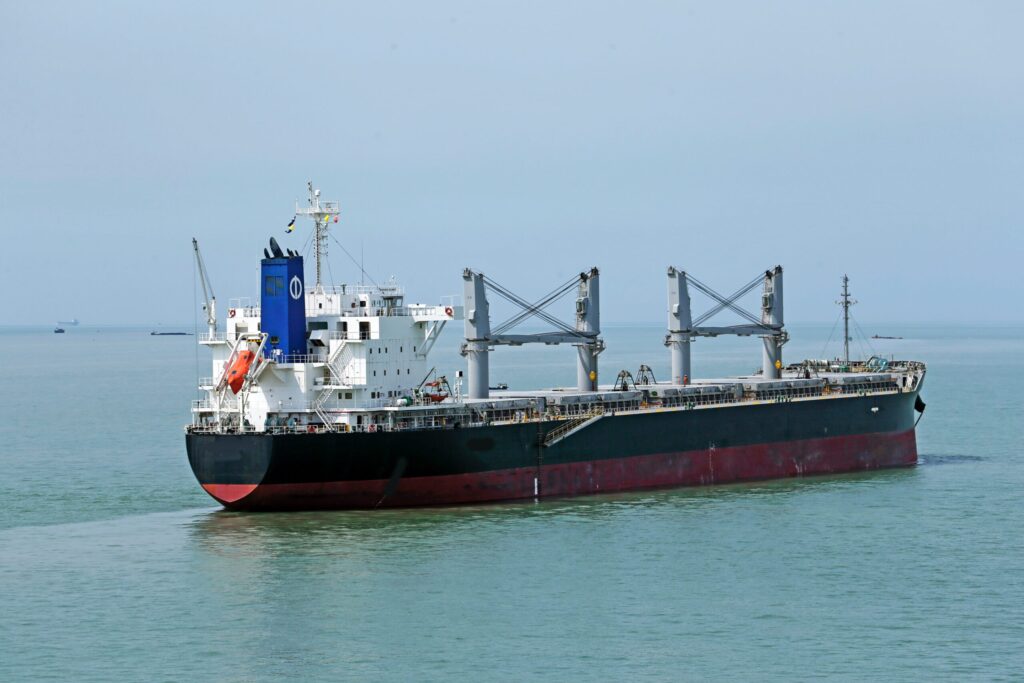
Oman, a significant player in the global oil market, is facing changing dynamics in its oil exports. The sultanate’s oil exports witnessed a 5.7% decline in the first seven months of 2023, primarily due to reduced shipments to India, a vital trade partner. The drop in exports to India by 90.1% is emblematic of shifting global trade preferences and the impact of geopolitical changes. On the other hand, Oman’s exports to China surged by 12.8%, emphasizing the strategic importance of maintaining strong relationships with key partners. Amidst these fluctuations, Oman’s stable oil production underscores its resilience in a volatile energy landscape.
Oman LNG’s Flourishing Gas Supply Agreements in 2023 Signal Growth and Global Expansion
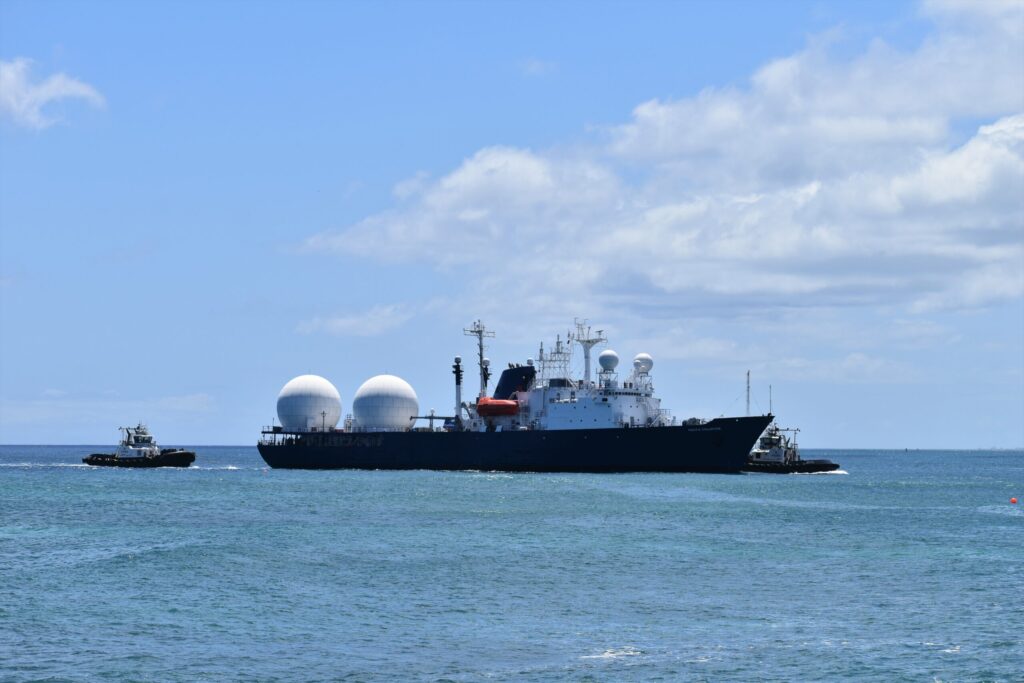
Oman LNG’s recent surge in gas supply agreements signifies a pivotal moment for the company and Oman’s energy landscape. With 14 binding long-term agreements inked in 2023 alone, Oman LNG solidifies its role as a major player in the liquefied natural gas market. These deals extend Oman’s reach into diverse global markets, including the Middle East, East Asia, and Europe. The commitment to supply 10.4 million metric tonnes of LNG annually from 2025 onwards underlines Oman LNG’s dedication to supporting the national economy and enhancing its strategic partnerships with international energy corporations. This impressive growth reflects Oman LNG’s efficiency and investor confidence, securing its place on the global energy stage.
Kuwait’s Ambitious Drive to Energize Oil and Gas Sector with $5.6 Billion Investment
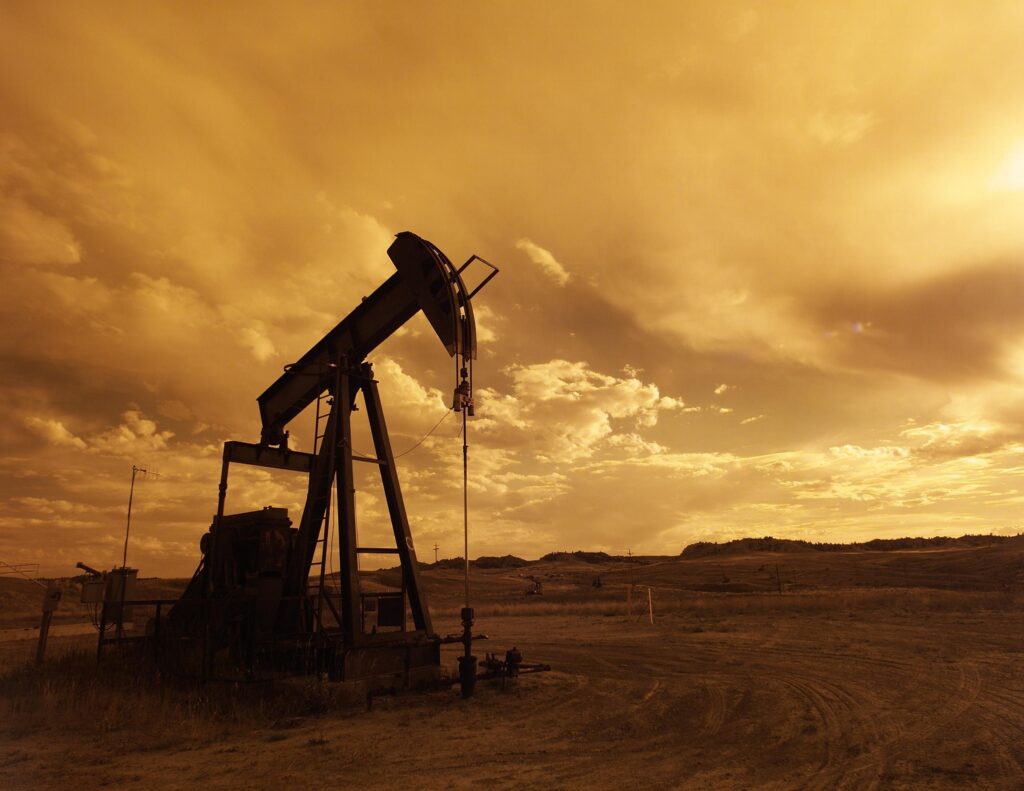
Kuwait’s strategic investment of $5.6 billion in its oil and gas sector signals an unwavering commitment to secure its energy future. With aspirations to raise crude oil production to 3.5 million barrels per day by 2030, Kuwait aims to play a pivotal role in global energy markets. The surge in capital spending by the Kuwait Oil Company (KOC), driven by robust expansion projects, aligns with the nation’s vision for energy self-sufficiency. KOC’s financial strength has reached historic levels, bolstered by soaring crude oil prices, providing a robust foundation for its strategic objectives. This initiative reinforces Kuwait’s energy prowess and charts a course toward a sustainable and prosperous energy landscape.
India and China Lead Russian Crude Oil Purchases, Shifting Global Dynamics

In a remarkable turn of events, India and China have emerged as dominant players in the global oil market, cementing their positions as major buyers of Russian crude oil. According to the International Energy Agency (IEA), these two Asian powerhouses accounted for a staggering 80 percent of Russia’s oil exports in May, signaling a significant shift in the dynamics of global energy trade. As the world’s fastest-growing economy, India’s increasing reliance on heavily discounted Russian oil aligns with its ambitious plans to meet its soaring energy demands. Meanwhile, China’s continued growth and robust oil consumption have solidified its position as a key player in the global oil market. With geopolitical developments and trade restrictions reshaping the landscape, Russia has redirected its seaborne crude exports to Asia, effectively pivoting away from its traditional European markets. This realignment highlights the changing dynamics of the oil industry and underscores Asia’s growing importance in meeting the world’s energy needs. As India and China assert their influence, the implications for the global oil trade and the future of energy markets remain compelling subjects of observation and analysis.
Russia Emerges as India’s Dominant Oil Supplier, Surpassing Traditional Middle Eastern Sources
In a significant shift within India’s crude oil market, Russia has surpassed Saudi Arabia, Iraq, the UAE, and the US to become India’s top oil supplier. The import of Russian oil has reached unprecedented levels, reaching nearly 2 million barrels per day in May alone, accounting for approximately 42% of India’s total oil imports that month. This surge in Russia’s dominance has come at the expense of traditional Middle Eastern suppliers, with shipments from Saudi Arabia hitting their lowest level since February 2021.