UK Banks Show Resilience Amid Rising Interest Rates, Offering Support to Struggling Households

The Bank of England’s recent assessment provides reassurance that major UK banks are well-positioned to support struggling households amid rising interest rates. With a focus on managing potential risks and offering financial options to borrowers, the banking sector aims to mitigate the impact of increasing debt burdens. As individuals navigate the changing landscape, proactive financial management and open communication with lenders will play a significant role in achieving stability and mitigating potential hardships.
Yield Curve Inversion Raises Concerns and Signals Economic Shifts

In a rare occurrence with potentially far-reaching consequences, the U.S. yield curve has experienced its deepest inversion since 1981. This inversion, where short-term Treasury bond yields surpass long-term yields, has historically been associated with economic downturns. Investors and experts are closely monitoring this development, questioning its implications and whether it could signal an upcoming recession. While an inverted yield curve is not unheard of, the magnitude of this inversion is catching attention and prompting careful analysis. Experts suggest that factors such as expectations of further interest rate hikes and concerns about inflation are contributing to this unique situation. As the financial landscape continues to evolve, market participants remain watchful, looking for signs of stabilization or potential shifts that could impact the broader economy.
Philippines Faces Hot Money Outflows Amid Global Economic Uncertainty
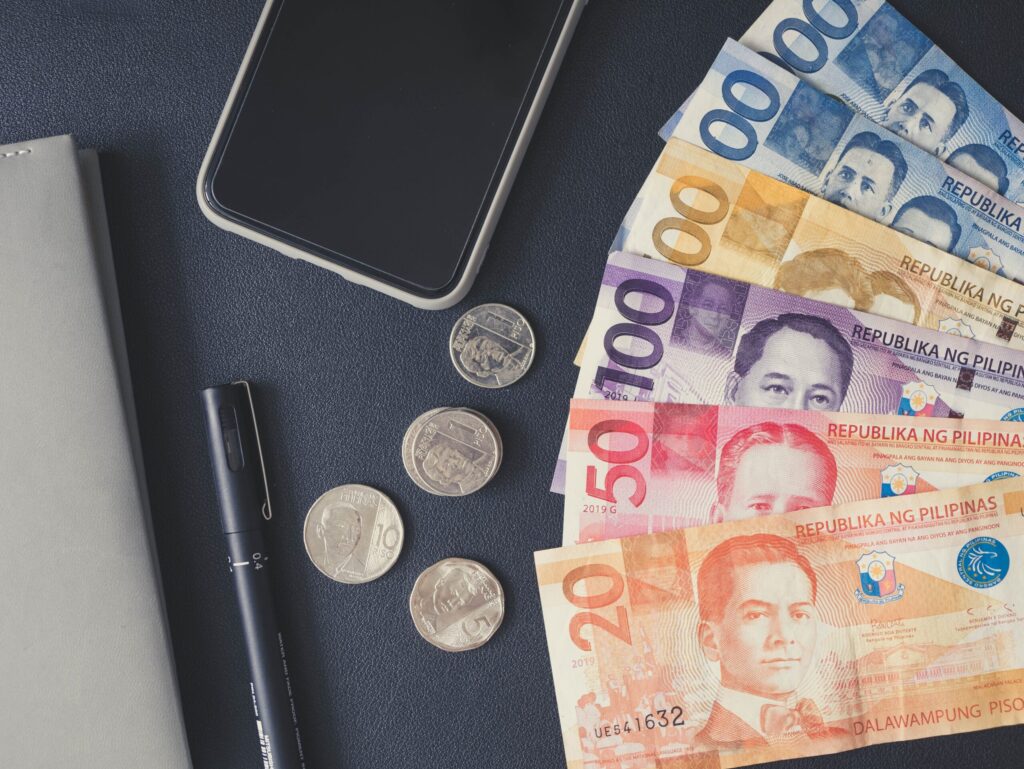
Amidst a backdrop of global economic uncertainty, the Philippines has witnessed a notable outflow of speculative funds, totalling $805 million in the first five months of the year. As hot money investments decrease and concerns over inflation and interest rates persist, international investors reevaluate their positions. Despite these challenges, key sectors such as banking, food and beverage, and property continue to attract investments. With the Bangko Sentral ng Pilipinas (BSP) implementing measures to stabilize the economy and inflation, the country’s economic outlook remains cautiously optimistic.
Bulgaria’s Path to Strengthening the Economy and Embracing Sustainability
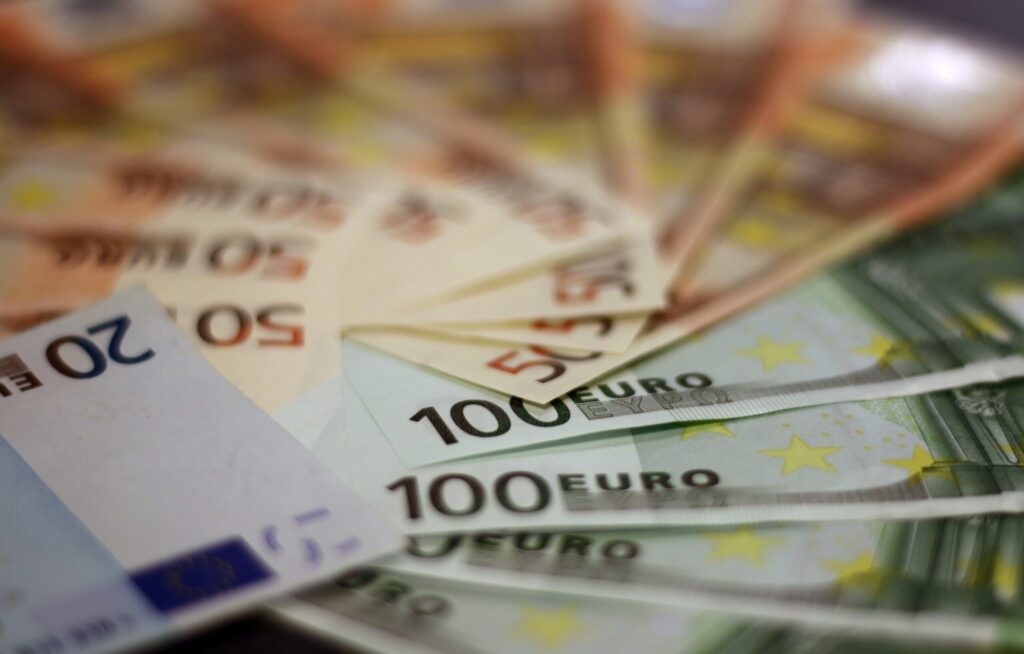
Bulgaria is on the cusp of a historic transformation as it strides towards adopting the euro and joining the Eurozone. With a thriving banking system and a strategic focus on sustainability, the nation is primed to unlock new opportunities and propel its economy forward. As Bulgaria prepares to embrace the single European currency, it sets its sights on a greener future and accelerated recovery. Discover how euro adoption promises to revolutionize Bulgaria’s economic landscape, empower businesses, and foster a more sustainable society.
Germany’s Battle to End the Ongoing Recession and Energy Crisis

Germany once hailed as an economic powerhouse, now finds itself at a crossroads. Business leaders and experts are sounding the alarm as the nation grapples with a weakening economy and the challenges of transitioning to green energy. Soaring inflation, sluggish export markets, and high energy costs loom over Germany’s economic landscape, raising concerns about its future. Amid these difficulties, Chancellor Olaf Scholz envisions a new era of economic growth through the transition to renewable energy. However, skepticism remains as experts question the immediate benefits and exorbitant costs associated with this green revolution. Germany must confront its structural weaknesses, such as bureaucracy and an ageing population while addressing industry concerns and shifting dynamics. The road ahead may be challenging, but Germany’s resilience and adaptability will determine its success in securing a prosperous future.
GCC Governments Spearhead Efforts to Foster Inclusive Growth and Curtail Shadow Economy

The Gulf Cooperation Council (GCC) countries have made remarkable strides in managing their shadow economies, surpassing the global average significantly. Recent reports indicate that informal businesses in the region account for only 18% of the total GDP, showcasing the success of integration efforts. These achievements reflect the government’s commitment to foster inclusive growth and prioritize small and medium-sized enterprises (SMEs) as key drivers of economic prosperity. The GCC nations are positioning themselves as global leaders in curbing the shadow economy and creating a sustainable economic landscape through effective policies, such as enhanced tax enforcement, digitalization, and financial inclusion. By empowering SMEs and embracing an inclusive growth approach, the region is poised for long-term success and resilience.