

Canada’s International Student Cap Sparks Concerns in Ontario and British Columbia

Canada’s decision to implement a two-year cap on international student permits, reducing the total to approximately 360,000, is causing apprehension, particularly in Ontario and British Columbia (BC)
Dollar Surges Amidst Plummeting UK Inflation, Stirring Rate Cut Speculations
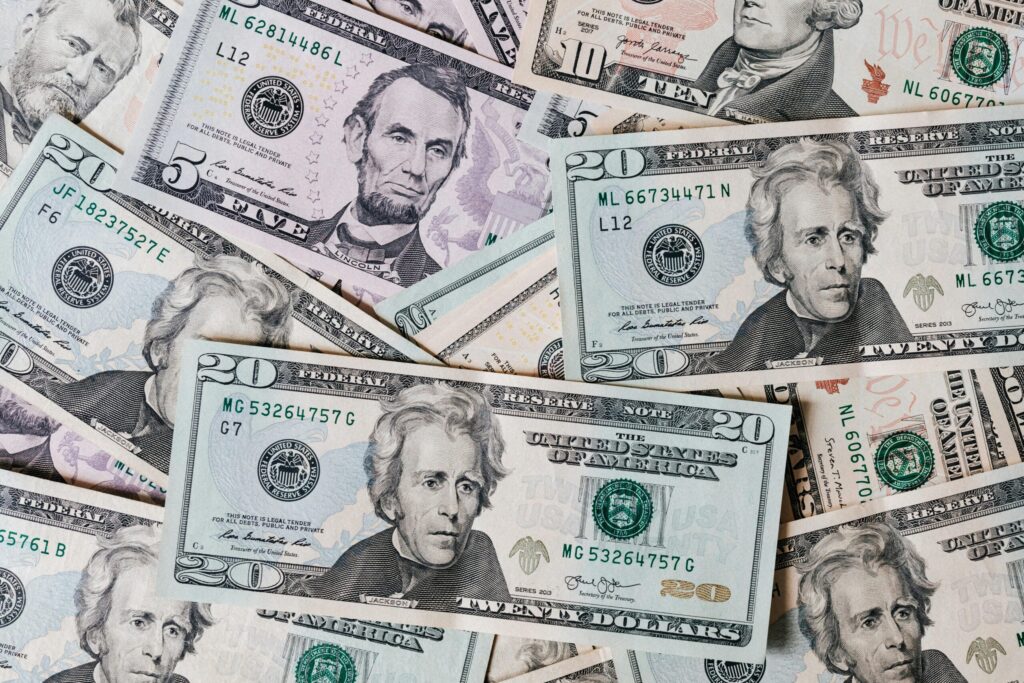
In a notable turn, the US dollar has gained strength against the British pound, fueled by a significant drop in UK inflation rates. This development has spurred speculations of potential interest rate cuts by the Bank of England, reshaping the currency dynamics. The pound experienced a 0.5% dip, reaching $1.26665, following the revelation of the lowest inflation rate in over two years. Meanwhile, global markets witnessed a modest shift, with the dollar index making a marginal gain at 102.2. Investors now eagerly await US inflation data for insights into future Federal Reserve policy actions.
Sanlam’s Strategic Bet on India as South Africa Faces Economic Challenges

Sanlam, Africa’s leading insurer, is strategically focusing on India to counterbalance economic challenges in its home market. CEO Paul Hanratty highlights the short-term profit potential, aiming to triple the proportion derived from India within a decade. With India’s robust 6.4% economic growth forecast for 2024, Sanlam sees the expanding middle class as a lucrative market. Despite South Africa contributing 75% of its revenue, Sanlam acknowledges challenges like power shortages and port issues. The insurer envisions acquisitions for growth in East Africa, emphasizing its commitment to a globally diversified portfolio.
Jordan’s Economy Faces Setback, Prime Minister Highlights Impact of Gaza Conflict

Jordan’s Prime Minister, Bisher al Khasawneh, voiced concerns over the Gaza conflict’s impact on the nation’s once-promising economy. The disruption in Red Sea shipping due to Houthi attacks, coupled with a significant dip in tourism post the Oct. 7 Hamas attack, has thwarted Jordan’s economic growth trajectory. Shipping costs for cargo arriving at Aqaba’s Red Sea port have surged, sparking worries about potential inflation. Despite the challenges, Jordan remains focused on its economic modernization plan, seeking to enhance competitiveness. The recent IMF approval of a $1.2 billion loan program reflects international confidence in Jordan’s economic policies, providing a ray of hope for recovery.
Bank Muscat’s Robust Performance Reflects Resilience Amid Economic Dynamics

Bank Muscat’s latest financial disclosure reveals a commendable performance for the fiscal year ending December 31, 2023. The bank reported a robust net profit of RO212.45mn, showcasing a notable 5.8% increase compared to the previous year. Strategic financial management is evident in the 8.7% growth in net interest income from conventional banking and Islamic financing, reaching RO374.82mn. Despite economic challenges, Bank Muscat effectively managed credit and other losses, with net impairments at RO64.66mn for 2023. The bank’s resilience is further emphasized by the growth in net loans and advances, reaching RO9.877bn, and a substantial 9.1% increase in customer deposits, totaling RO9.438bn.
APAC cities continue to be some of the world’s most connected and prominent as emerging hubs in South Asia gain ground

Asia Pacific (APAC) cities, spearheaded by Tokyo, Beijing, Singapore, Melbourne, and Hong Kong, continue to assert their influence as some of the world’s most connected and prominent urban centers, according to Kearney’s 2023 Global Cities Report. The report reveals that APAC maintains a strong foothold in the top 10 of its Global Cities Index (GCI), claiming five coveted spots.
Bank Muscat Achieves Remarkable Growth with RO159mn Net Profit for the First Nine Months of 2023

Bank Muscat has reported a commendable 7.1% year-on-year growth in net profit for the first nine months of 2023, totaling RO158.88mn. This performance underscores the bank’s strength and ability to adapt to economic challenges. Its growth in net interest income and robust financial management signifies its commitment to financial excellence. Moreover, the bank’s responsible approach to managing operating expenses and addressing potential financial risks demonstrates its resilience. With increased customer deposits and a growing asset base, Bank Muscat remains a pivotal player in Oman’s financial sector.
Thailand’s New Prime Minister Pledges Swift Action on Economic Challenges

In his inaugural address to Parliament, Thailand’s new Prime Minister, Srettha Thavisin, has set a proactive agenda for addressing the nation’s economic woes. With the pandemic’s impact on the vital tourism industry and rising debt levels, he emphasized the urgency of these measures. Of particular note is the proposed 10,000-baht ($280) handout to stimulate short-term spending, though its long-term effectiveness remains a subject of debate. The government also outlined ambitious long-term goals, including bolstering international trade, supporting start-ups, and enhancing agricultural production, signaling a comprehensive approach to economic revitalization. Additionally, plans for political reforms, particularly involving the military’s role, were diplomatically addressed to ensure transparency and cooperation.
Russian Ruble’s Plunge Sparks Economic Concerns Amid Geopolitical Unrest

The Russian ruble’s recent nosedive to its lowest level in almost 17 months has raised significant alarm bells within the nation’s economy. As tensions escalate due to the ongoing conflict in Ukraine and the weight of Western sanctions, the ruble’s value has plummeted by more than 25% this year alone. Such a decline prompted the central bank to schedule an emergency meeting to evaluate its key interest rate, hinting at potential efforts to stabilize the currency. As the nation grapples with a complex mix of military expenditures, export challenges, and inflation risks, the future of the ruble and its implications on both the domestic and international fronts remain a pressing concern.
Germany’s Battle to End the Ongoing Recession and Energy Crisis

Germany once hailed as an economic powerhouse, now finds itself at a crossroads. Business leaders and experts are sounding the alarm as the nation grapples with a weakening economy and the challenges of transitioning to green energy. Soaring inflation, sluggish export markets, and high energy costs loom over Germany’s economic landscape, raising concerns about its future. Amid these difficulties, Chancellor Olaf Scholz envisions a new era of economic growth through the transition to renewable energy. However, skepticism remains as experts question the immediate benefits and exorbitant costs associated with this green revolution. Germany must confront its structural weaknesses, such as bureaucracy and an ageing population while addressing industry concerns and shifting dynamics. The road ahead may be challenging, but Germany’s resilience and adaptability will determine its success in securing a prosperous future.