
Salalah Free Zone Attracts RO44mn Investment in Five New Deals
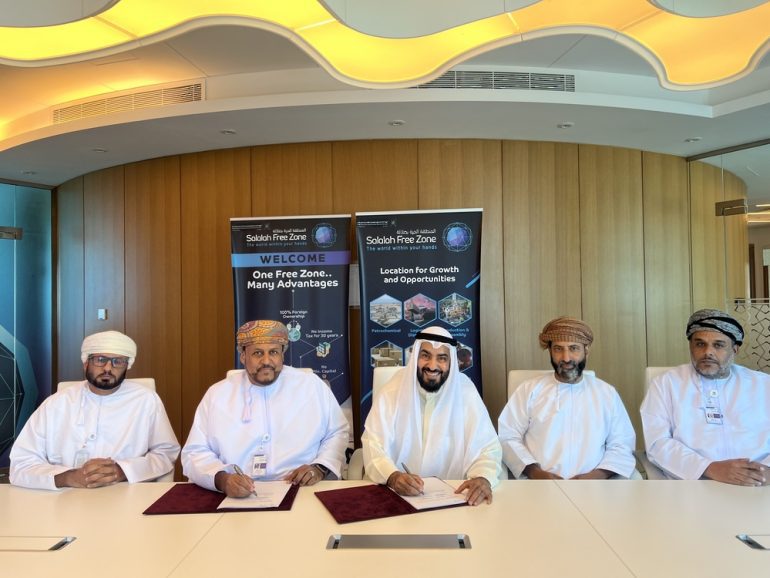
Salalah Free Zone has inked five new investment deals worth RO44mn, involving investors from Kuwait, Iraq, Jordan, and Hong Kong. The agreements span various sectors, including paper tissues, air conditioning devices, blood sugar test strips, frankincense derivatives, and potash fertilizers.
Oman’s Fiscal Turnaround, A Deep Dive into the 2023 Debt Reduction and 2024 Budgetary Plans

In a noteworthy fiscal turnaround, Oman’s public debt has seen a substantial reduction, dropping to 35% of the GDP in 2023 from nearly 70% in 2020. This commendable shift is attributed to the sultanate’s fiscal reforms and a boost from higher-than-expected oil prices. The 2023 debt-to-GDP ratio of 35% reflects Oman’s commitment to responsible financial management, marking a significant improvement from previous years. The unexpected surplus of approximately RO931 million in the 2023 budget underscores the success of proactive measures and prudent fiscal policies. Looking ahead, Oman’s 2024 budget prioritizes stability, debt reduction, and strategic deficit financing to strengthen the nation’s economic resilience further.
Bank of England Holds Steady Amidst Economic Challenges

The Bank of England’s recent decision to maintain historically high-interest rates reflects its commitment to navigating a challenging economic landscape. Despite acknowledging the potential for a recession and minimal growth, the bank reiterated its stance with a 6-3 vote. Their primary concern is addressing soaring inflation levels, with no immediate plans for rate cuts, according to BoE Governor Andrew Bailey. The bank, however, remains cautious due to global uncertainties, such as the Middle East conflict and strong wage growth, which may sustain inflationary pressures. Despite this caution, it anticipates a return to its 2 percent inflation target by the end of 2025.
Redefining the Bank of England’s Role-A Deeper Look at the Resolution Foundation’s Proposals

The Resolution Foundation’s bold proposals for reshaping the Bank of England’s role could mark a significant turning point in the UK’s economic strategy. Their call to increase the inflation target to 3% seeks to equip the bank with enhanced tools to manage future economic shocks effectively. Although unconventional, the notion of employing negative interest rates as a monetary policy tool could potentially breathe new life into the country’s economic recovery efforts. However, this transformation would mark a radical shift, potentially significantly reshaping the financial landscape. As the world grapples with ongoing economic uncertainties, the call for a “policy reset” echoes the necessity for adaptability and resilience in a rapidly changing financial environment.
Duqm Economic Forum-Unveiling Oman’s Green Economic Revolution and Investment Potential
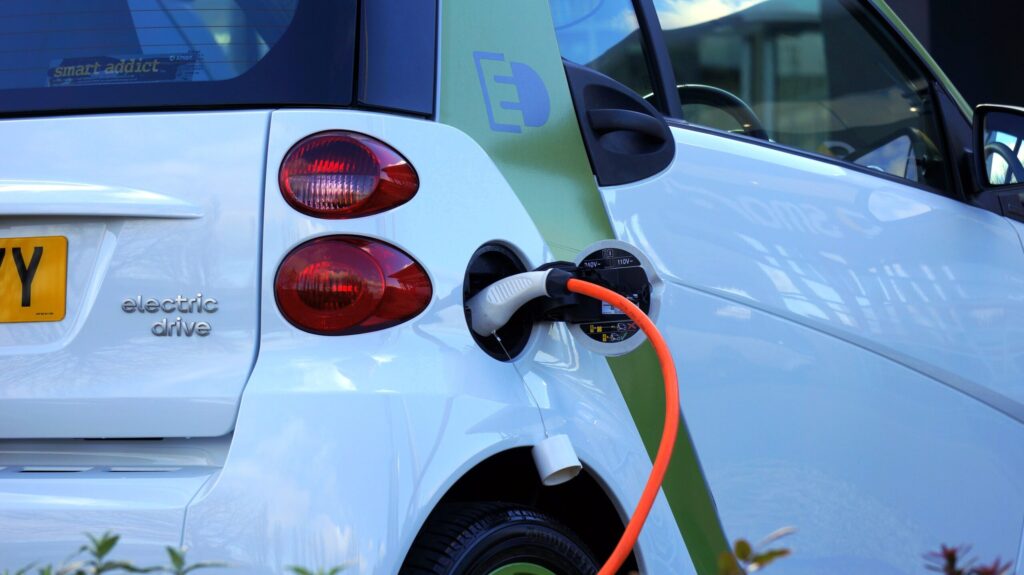
The First Duqm Economic Forum has concluded, leaving a remarkable impact on Oman’s economic vision. It highlighted the pivotal role of the Special Economic Zone at Duqm (SEZAD) in fostering renewable energy, green manufacturing, and global trade. Duqm is pioneering the nation’s journey toward a green economy by utilizing solar and wind-generated energy. The forum showcased Oman’s potential as a future renewable energy superpower, with a special focus on a green steel industry cluster. Young entrepreneurs also took center stage, reflecting the nation’s innovative spirit and ambition. This forum marks a significant step towards Oman’s sustainable and prosperous future.
Economic Resilience Amidst Oil Output Cuts: GCC Growth Prospects
The Gulf Cooperation Council (GCC) economies faced an intricate economic landscape in the second quarter of 2023, marked by reduced oil production. This led to a 0.5 percentage point downward revision in growth forecasts for the GCC, setting the growth rate at 1.4% for the year. However, the region’s non-energy sectors have shown resilience, with robust growth in tourism-related industries. Rising energy prices, driven by global factors, have also played a pivotal role, with Brent oil reaching $90 per barrel. The impending inclusion of Saudi Arabia and the UAE into the BRICS group offers a ray of hope, fostering economic diversification and reducing reliance on the US dollar, setting the stage for a more optimistic future.
Brazil-Arab Trade Continues to Flourish, Bilateral Commerce Hits $10.61 Billion in 2023
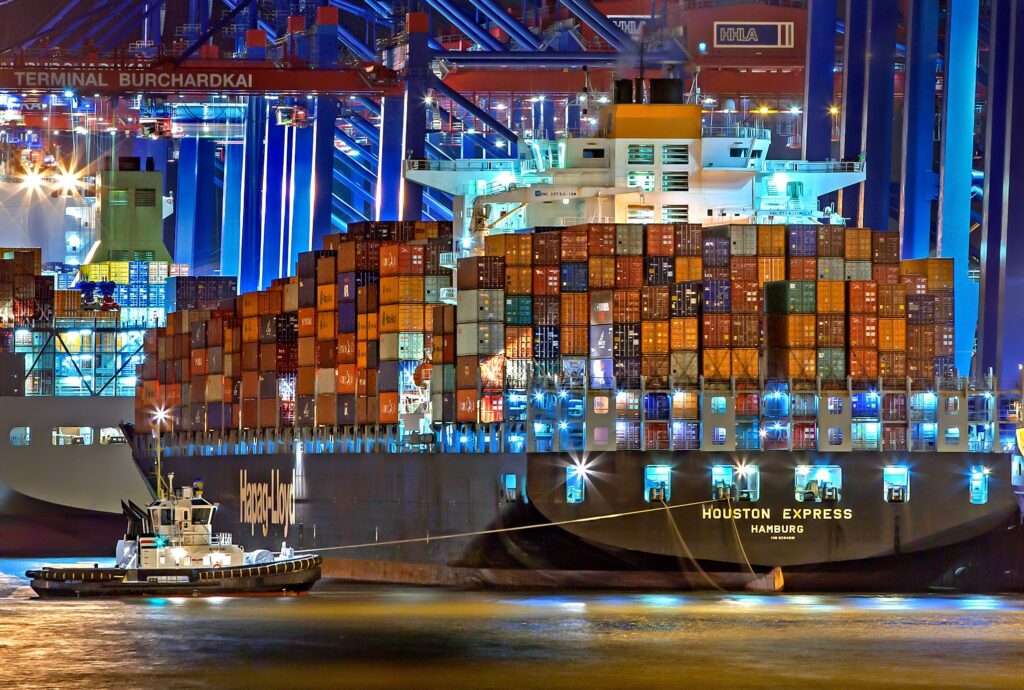
Brazil’s robust trade relationship with the Arab world is flourishing, as evident from an eight percent surge in Brazilian exports to Arab nations during the first seven months of 2023. The Arab Brazilian Chamber of Commerce (ABCC) reported that this growth has led to a total trade value of $10.61 billion, showcasing the strong economic ties between the two regions. Key trade partners, such as Saudi Arabia and the UAE, have significantly contributed to this growth, with exports reaching $1.873 billion and $1.646 billion, respectively. The ABCC’s role in fostering this collaboration and promoting bilateral economic cooperation has driven this growth.
US-ASEAN Business Council and Philippines Forge Defense Partnership Amidst Rising Tensions

The United States-Asean Business Council (US-ABC) is taking a proactive stance by engaging in a collaborative effort with the Philippines to enhance the nation’s defense capabilities amidst growing tensions in the West Philippine Sea. Discussions involving Defense Secretary Gilbert “Gibo” Teodoro Jr. and the US-ABC delegation, led by President and CEO Ted Osius, have explored various avenues of cooperation to strengthen defense and security sectors. This strategic move aligns with the US-ABC’s commitment to fostering partnerships between the US and ASEAN nations, from cybersecurity and healthcare initiatives to technological advancements and sustainable energy solutions. The initiative addresses immediate security concerns and emphasizes the significance of international collaborations in maintaining stability and innovation in a complex geopolitical landscape.
Thailand’s New Prime Minister Pledges Swift Action on Economic Challenges

In his inaugural address to Parliament, Thailand’s new Prime Minister, Srettha Thavisin, has set a proactive agenda for addressing the nation’s economic woes. With the pandemic’s impact on the vital tourism industry and rising debt levels, he emphasized the urgency of these measures. Of particular note is the proposed 10,000-baht ($280) handout to stimulate short-term spending, though its long-term effectiveness remains a subject of debate. The government also outlined ambitious long-term goals, including bolstering international trade, supporting start-ups, and enhancing agricultural production, signaling a comprehensive approach to economic revitalization. Additionally, plans for political reforms, particularly involving the military’s role, were diplomatically addressed to ensure transparency and cooperation.
Morocco’s Central Bank Governor Promotes Multilateralism Amidst Global Challenges

Morocco’s central bank governor, Abdellatif Jouahri, has issued a compelling call to return to multilateralism as the world grapples with intricate economic and geopolitical dynamics. In a discussion with the IMF, Jouahri stressed the importance of assessing past multilateral efforts and building stronger institutions capable of addressing the increasingly complex global landscape. This plea comes as Morocco prepares to host the 2023 Annual Meetings of the World Bank Group and the IMF, where high-level delegates will gather to confront the challenges of a fragmented world. Jouahri’s emphasis on prioritization and effective evaluation of actions highlights the urgency of collective efforts to navigate an ever-changing global paradigm.