

Philippines Stresses Diplomatic Nuances Amid President’s Taiwan Congratulation
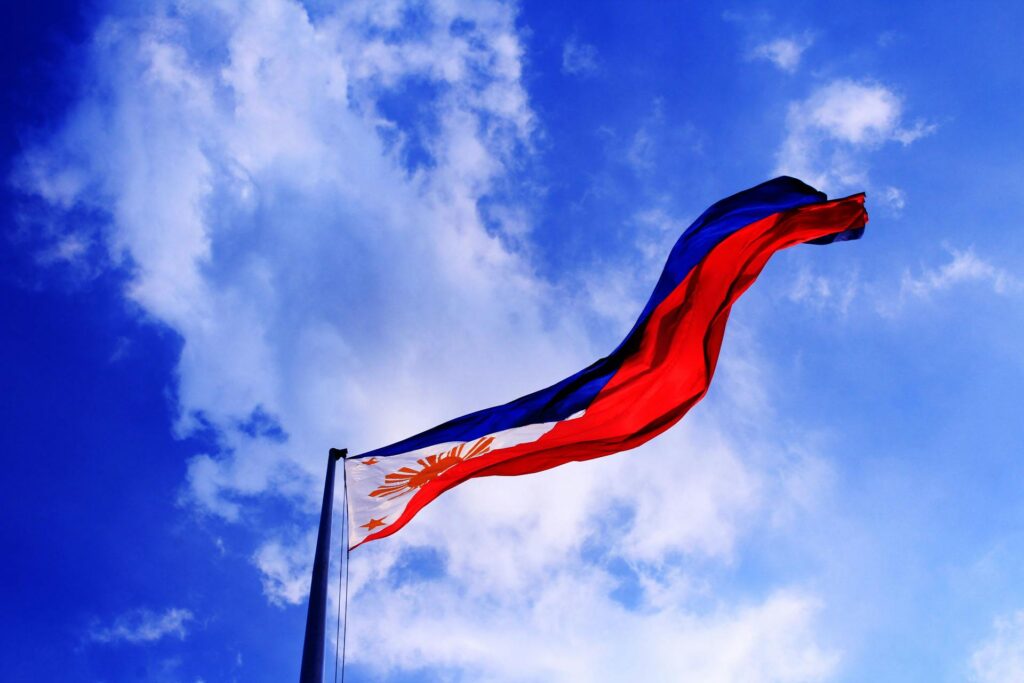
In a diplomatic dance, the Philippines has reiterated its adherence to the “One China policy” following President Marcos Jr.’s congratulatory message to Taiwan’s President-elect Lai Ching-te. The foreign ministry clarified that the message was a show of gratitude for Taiwan’s role in hosting Filipino workers and not a departure from established diplomatic norms. The delicate balance aims to acknowledge mutual interests, especially the sizable overseas Filipino community in Taiwan while avoiding friction with Beijing, which views Taiwan as part of its territory. This underscores the nuanced diplomatic landscape the Philippines navigates, maintaining ties with both Taipei and mainland China. As global leaders extend congratulations to Lai Ching-te, the Philippines underscores its commitment to regional stability amid rising tensions in the Taiwan Strait.
Navigating the India-Canada Visa Row- A Path to Peaceful Resolution

The ongoing diplomatic tensions between India and Canada, triggered by serious allegations, have posed significant challenges for both nations. The partial resumption of visa services by India is a glimmer of hope amidst the turmoil, indicating a possible path toward reconciliation. Travel restrictions and visa suspensions have disrupted the lives of citizens on both sides, affecting not only tourists and business travelers but also students and professionals. The economic implications of this dispute could be far-reaching, potentially impacting trade and cooperation. Balancing security concerns with the need for diplomatic solutions is essential, and the free movement of people remains crucial for fostering economic growth and fostering strong bilateral relations.
Akasa Air Takes Flight; Nod for International Operations to Saudi Arabia, Kuwait, and Qatar

In a groundbreaking move, Akasa Air has received the government’s approval to extend its flight operations beyond India’s borders, signaling the airline’s entry into the international market. The destinations initially granted are Saudi Arabia, Kuwait, and Qatar, heralding a new era for this low-cost carrier. This development aligns with India’s modified 0/20 rule, facilitating international flights once an airline possesses a minimum of 20 aircraft in its fleet without any time-based constraints, a shift from the previous 5/20 rule. However, a notable challenge for Akasa Air lies in securing access to destinations like Dubai, where existing bilateral agreements have nearly been exhausted, underscoring the intricacies of international aviation regulations. The airline’s upcoming journey abroad will undoubtedly shape its role in the global aviation landscape.
Canada-India Diplomatic Tensions: Understanding the Recent Diplomatic Immunity Issue

In a rare and concerning diplomatic development, Canada and India find themselves entangled in a tense standoff over allegations of Indian involvement in the killing of a Sikh separatist leader on Canadian soil. Canada’s decision to remove 41 diplomats from India in response to India’s request to reduce its diplomatic presence has escalated tensions. The revocation of diplomatic immunity is a significant move, sparking debates on international law’s sanctity in diplomatic relations. This incident exposes the complexities of historical grievances, national security concerns, and the delicate balance of diplomatic relations between two nations with a shared history of cooperation. The path forward requires careful diplomacy to preserve the vital connections between these nations.
Rethinking the Role of Wage Growth in the UK’s Economic Recovery

Given the evolving economic landscape, the Bank of England’s current emphasis on restraining wage growth warrants reconsideration. As inflation and the cost of living crisis loom, the approach to curtailing wage increases may need adjustment. Rising import prices, driven by global factors, initially contributed to inflation but have since reversed course. This shift should prompt a broader economic strategy that accounts for various dynamics, including demand, inflation, and policy implications. The Bank of England’s approach must adapt to navigate the intricate factors in the UK’s economic recovery.