
Philippines Paving the Way for a Financial Renaissance, Unfolding Digital Banking Epoch
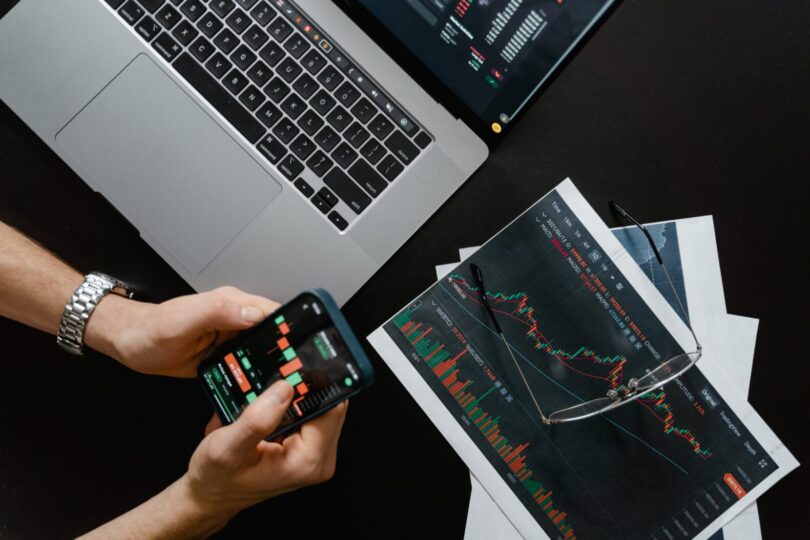
In the dynamic landscape of Southeast Asia, the Philippines is gearing up for a financial renaissance, with digital banking leading the charge. McKinsey’s insights reveal a staggering potential, as the country’s banking revenue pools are anticipated to triple by 2030. However, the challenge lies in the fact that nearly half of the bankable population remains unbanked, creating the perfect storm for a digital banking revolution. Guided by the visionary regulatory approach of the central monetary authority Bangko Sentral ng Pilipinas (BSP), the Philippines is witnessing a surge in traditional banks’ market value and the rapid ascent of fintech firms. As the BSP standardizes QR payments and encourages new players, the fintech landscape, exemplified by firms like Salmon, is becoming a catalyst for financial inclusion, transforming the Philippines into a digital banking powerhouse.
Economic Headwinds Challenge Philippines’ Growth Prospects in Q3

As the Philippines confronts economic headwinds, concerns of a potential modest recession in Q3 have emerged. The Pantheon Macroeconomics report indicates that the recent GDP growth of 4.3 percent falls far short of the expected 6 percent, signaling economic turbulence. A contraction of 0.9 percent in the domestic economy during Q2 and weakening private consumption have added to the uncertainties. Despite these challenges, Finance Secretary Benjamin Diokno remains cautiously optimistic about achieving the government’s growth target of 6 to 7 percent, citing the impact of monetary tightening and inflation mitigation measures.
The Philippine Economic Landscape, Challenges and Prospects Amidst Shifting Tides
As highlighted by recent OECD adjustments, the Philippine economy stands at a crossroads in 2023. A slightly lowered growth projection of 5.6% reflects the intricate interplay of factors, including the impact of high interest rates on pent-up demand. The first quarter’s robust economic expansion was juxtaposed with higher inflation and borrowing costs, resulting from assertive monetary tightening. The role of government spending is expected to drive recovery in the second semester, countering a second-quarter contraction. Meanwhile, influenced by various factors, inflation dynamics add complexity to the economic landscape, necessitating a careful balance between growth and inflation control.
Philippines Faces Hot Money Outflows Amid Global Economic Uncertainty
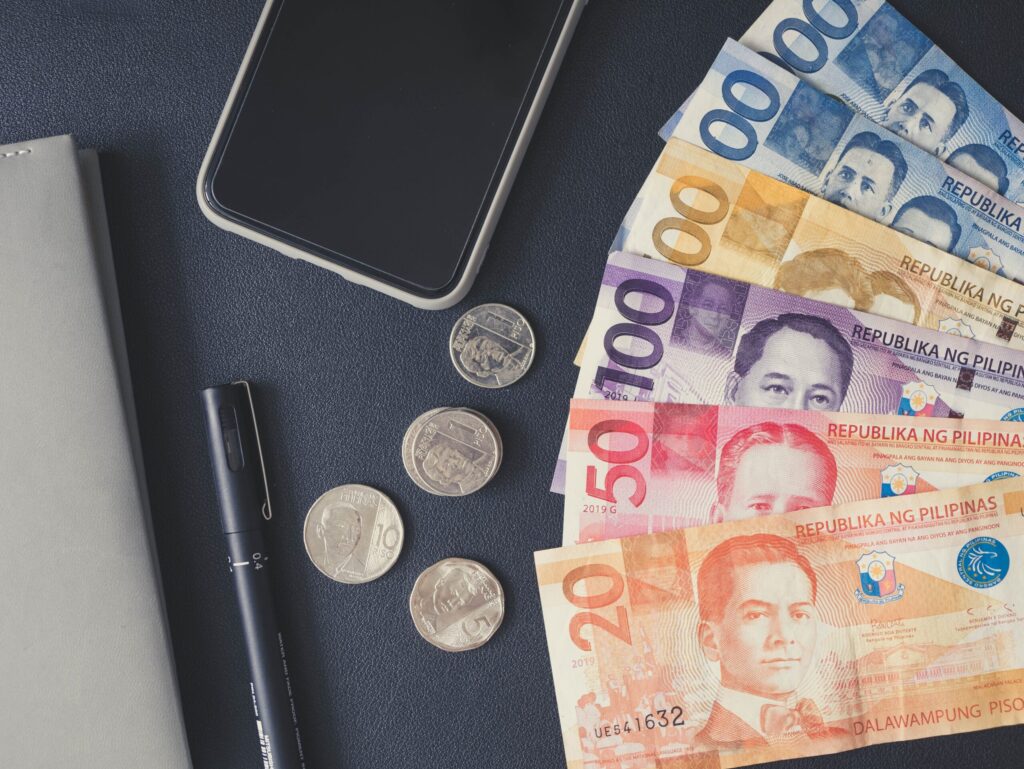
Amidst a backdrop of global economic uncertainty, the Philippines has witnessed a notable outflow of speculative funds, totalling $805 million in the first five months of the year. As hot money investments decrease and concerns over inflation and interest rates persist, international investors reevaluate their positions. Despite these challenges, key sectors such as banking, food and beverage, and property continue to attract investments. With the Bangko Sentral ng Pilipinas (BSP) implementing measures to stabilize the economy and inflation, the country’s economic outlook remains cautiously optimistic.
Incoming Philippine c.bank governor says may consider bigger rate hikes
The Philippine central bank may consider bigger interest rate hikes to support the peso, though will not be obliged to match policy tightening by the U.S. Federal Reserve, the Southeast Asian country’s incoming governor said on Wednesday.