

Philippines Urges Swift PJEPA Review to Bolster Market Access

The Philippines is actively pushing for an expedited conclusion to the ongoing review of the Philippines-Japan Economic Partnership Agreement (PJEPA), emphasizing the need for improved market access, particularly for bananas. Trade Undersecretary Allan Gepty highlighted the urgency of accelerating the review process and addressing pending issues during negotiations with Japan. A key focus of the Philippines is to enhance market access for bananas by reducing tariffs. The Department of Agriculture is collaborating with the Department of Trade and Industry to secure preferential tariff rates, given the rising competition from other countries. The negotiation timeline depends on the shared ambitions of both nations, with the Philippines urging a swift resolution.
Assessing Canada’s Economic Challenges Amidst the Threat of Recession

The Canadian economy’s recent performance paints a sobering picture, with stagnant GDP figures in August and a looming threat of recession in the third quarter. These challenges have arisen in the wake of the Bank of Canada’s decision to maintain interest rates, a reflection of the economic slowdown. While high inflation and forest fires have played a role in this predicament, the unexpected nature of this economic struggle has caught many by surprise. It remains to be seen how the central bank will navigate these turbulent waters, with market sentiments signaling increased uncertainty about Canada’s economic future.
U.S. helps fund California port project as export delays hurt food makers
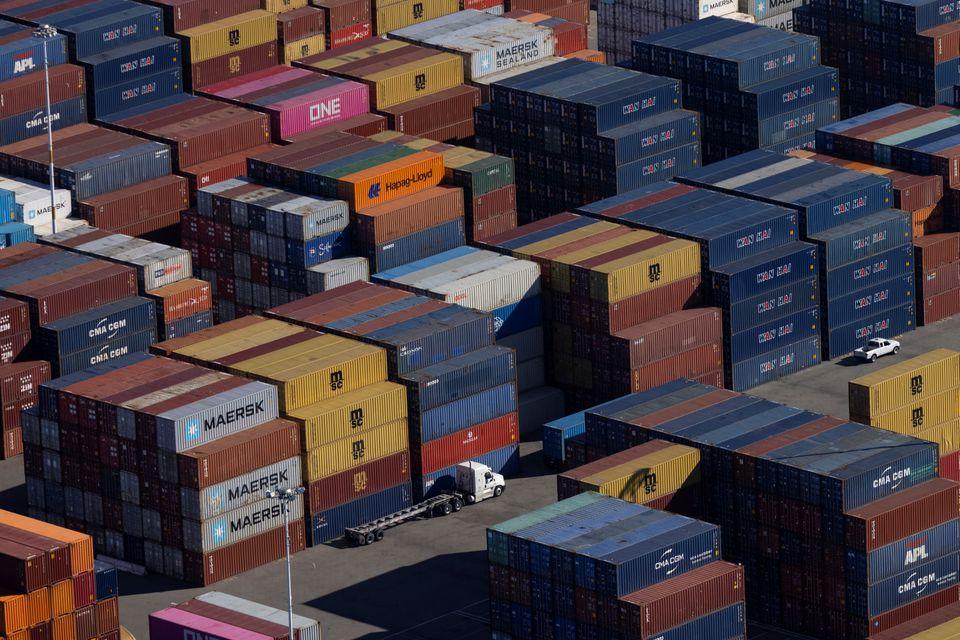
The U.S. Department of Agriculture said on Sunday it will help fund a new container yard for agricultural exports at California’s Port of Oakland, as the government, ports and food companies scramble to ease costly shipping delays.
Analysis: Malaysia’s labour abuse allegations a risk to export growth model

Malaysia’s government and companies must address mounting allegations of workplace abuse of migrant labourers who fuel the country’s economy, or face risks to its export-reliant growth model, experts warn.
UK, Australia sign deal forecast to create 10 billion pounds in extra trade

Britain and Australia have signed a free trade deal projected to eventually boost bilateral trade by over 10 billion pounds ($13.3 billion), eliminating tariffs, opening up sectors like agriculture and allowing freer movement for service-sector professionals.
Beijing biotech firm banks on GM corn in race to be China’s Monsanto
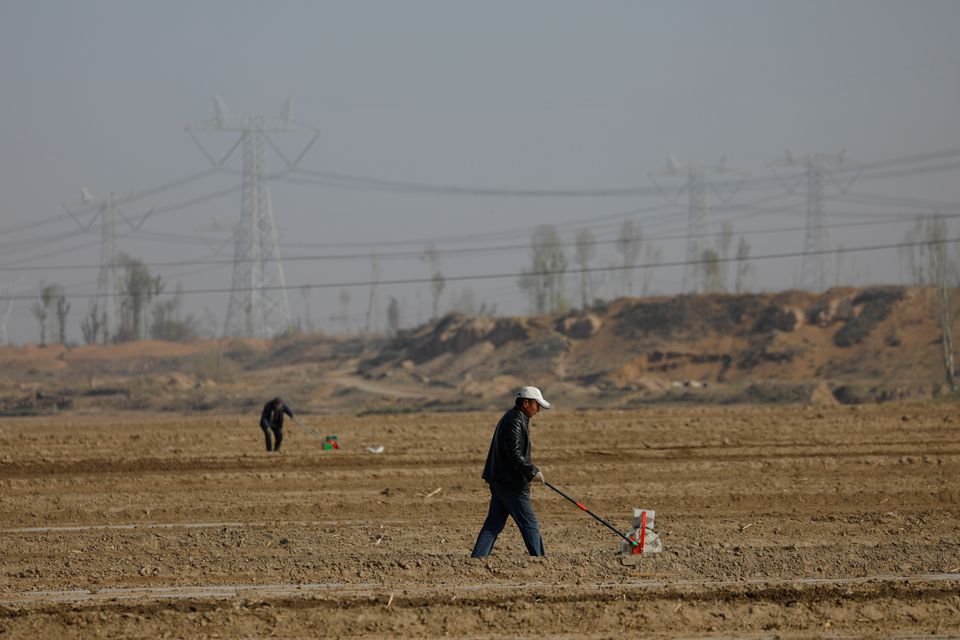
As China prepares to open its $120 billion corn market to genetically modified (GM) seed, little-known Dabeinong Biotechnology hopes to reap the benefits of early biotech investments and a law keeping foreign firms on the sidelines.
‘Flying off the shelves’: Primark sales soar in reopened markets

Primark’s sales exceeded pre-pandemic levels and management expectations in its latest quarter as stores reopened after COVID-19 lockdowns and consumers splashed out to update their wardrobes.
World food price index surges in May to highest level since 2011 -FAO

World food prices rose in May at their fastest monthly rate in more than a decade, posting a 12th consecutive monthly increase to hit their highest level since September 2011, the United Nations food agency said on Thursday.
China holds economic talks with second top U.S. official in a week

Chinese Vice Premier Liu He exchanged views with U.S. Treasury Secretary Janet Yellen on issues of mutual “concern”, in his second virtual call in a week with top economic and trade officials under the U.S. Biden administration.
Farm product prices, redistribution, and the early Great Depression in the US
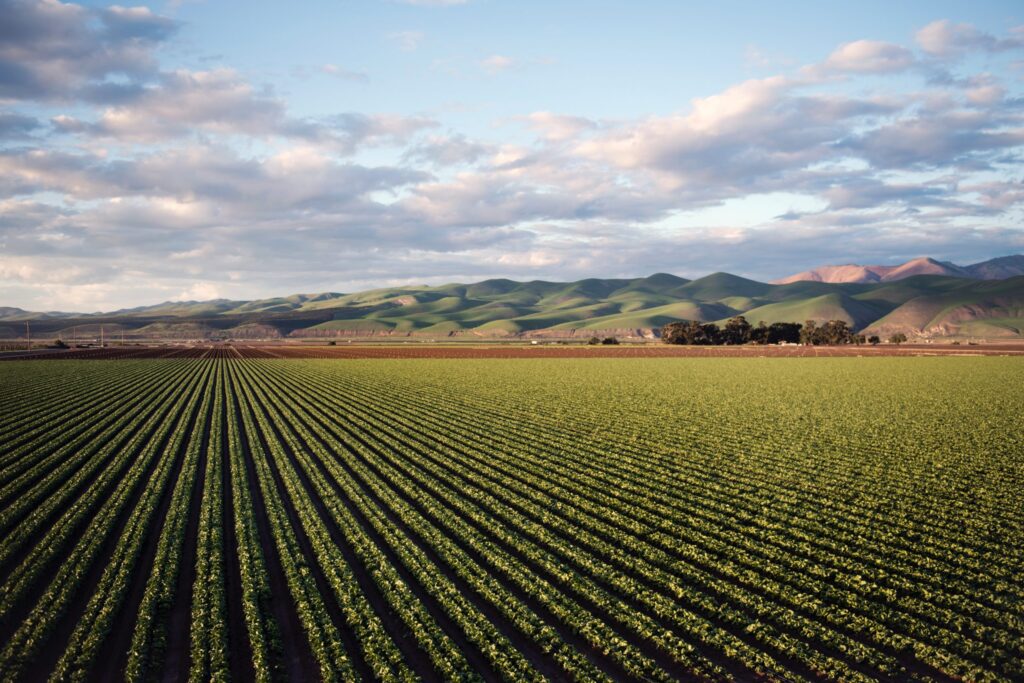
Like the current economic crisis in the US, the Great Depression led to large redistributions of income among sectors and households. Perhaps most important, falling farm product prices shifted income away from farmers. This column argues that this redistribution explains between 10% and 30% of the US output decline in 1930. Recovery from the Great Depression began in 1933 in part because farm product prices rose, reversing this redistribution.