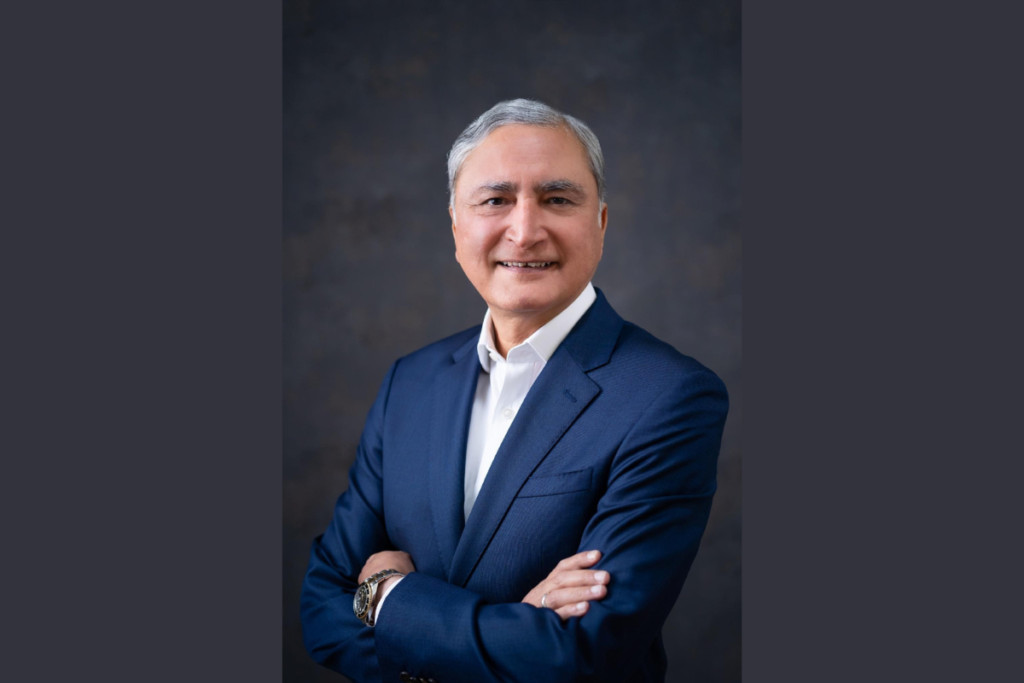
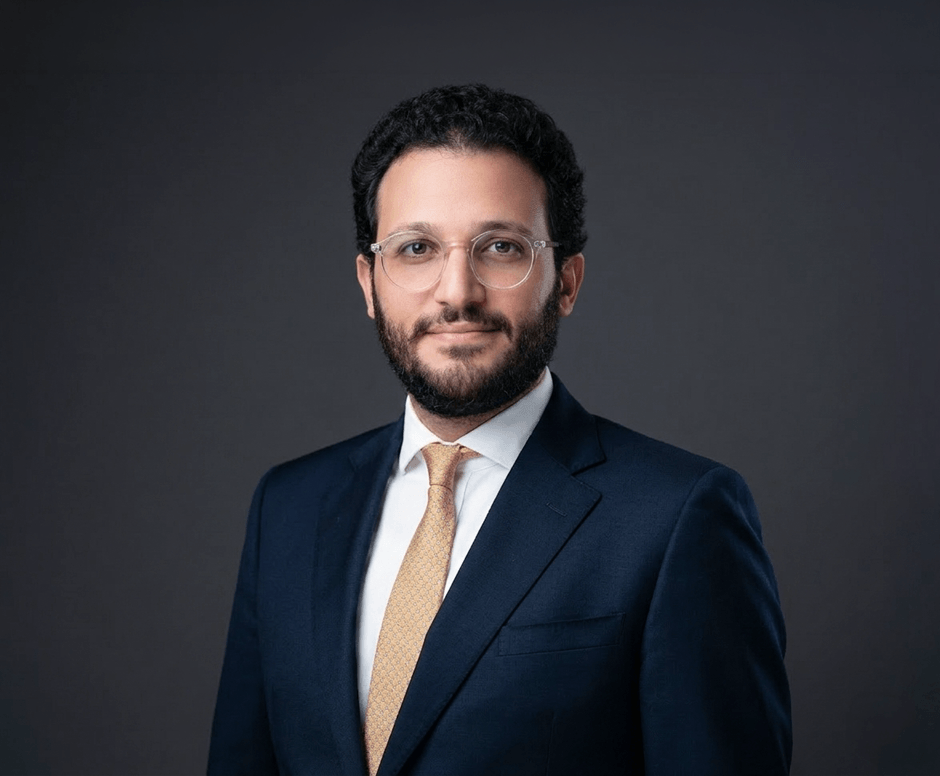

By Talal M. Al Gaddah, CEO and Founder of the Keturah luxury brand
Dubai’s luxury real estate market is not simply holding its ground in a period of uncertainty, but quietly setting a benchmark for how premium property sectors operate, adapt, and continue to attract capital under pressure.
Over the years, the city has consistently drawn long-term investors, even when regional and global conditions have been volatile, building confidence through disciplined supply, clear regulations, and a focus on lasting value.
These are not abstract ideas, but factors that create an environment where investors feel confident committing significant capital, knowing the rules remain stable and supply is kept in check.
Even when other markets pause or slow down, Dubai’s premium real estate sector displays an unusual level of stability. In March alone, developer high-end sales reached AED 10.92 billion, with transaction volumes rising 42.4% year on year with a week of the month remaining.
Buyers are strategic, long-term in their thinking, and selective. They are not swayed by short-term geopolitical noise or passing market sentiment. Instead, they commit capital because they trust the fundamentals and Dubai’s ability to maintain its position as a global luxury destination. This is not speculative money chasing quick returns, but patient capital, positioned for long-term value.
That confidence was clear in March, with one luxury apartment selling for AED422 million, four developer plots changing hands for between AED125M-152M, and 79 transactions in the AED20-50m price range.
These numbers are not just statistics, but evidence that even in turbulent times, Dubai continues to attract serious investors across every tier of the luxury segment.
What makes this more striking is the level of activity achieved against a backdrop of global economic uncertainty, when many other markets saw buyers pull back.
In the AED 5–10 million segment, 650 sales generated AED 4.54 billion in value. The AED 10–20 million bracket saw 150 transactions worth nearly AED 2 billion, while activity in the AED 50–100 million range exceeded a billion dirhams.
These numbers point to a deeper shift in buyer behaviour in Dubai today. High-net-worth investors are focused on protecting value. They are choosing assets that hold their appeal and deliver returns over time, rather than chasing short-term gains.
The continued strength of off-plan sales across price brackets reflects this confidence. Buyers are willing to invest ahead of completion because they trust market fundamentals and the quality of what is being delivered. That level of confidence is rare in luxury markets globally, where off-plan purchases are often viewed as higher risk.
This is a defining feature of Dubai’s luxury sector. Unlike many global markets that pull back during uncertain times, Dubai sustains momentum. Its resilience comes from careful planning, disciplined supply, and developments that provide lasting value.
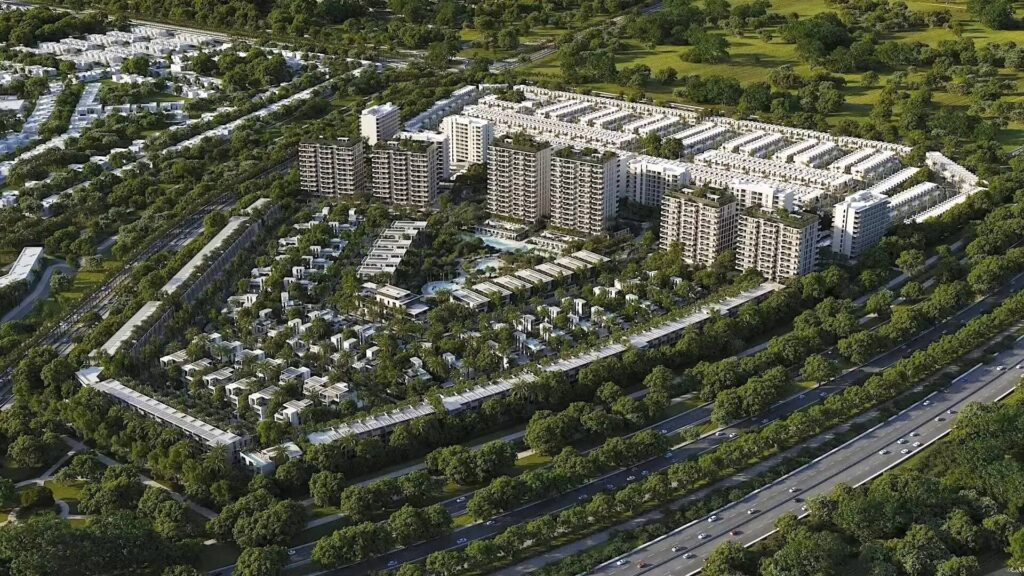
These were key factors behind the design of Keturah Reserve, our bio-living community under development in Dubai with a focus on quality and wellbeing, rather than high volume construction.
The city’s regulatory environment has also played a key role, giving investors confidence through transparency and legal protections not always associated with the region in the past.
Even in the highest-value segment – properties above AED100 million – transactions continued to signal enduring confidence with investors positioning themselves for the long term, rather than reacting to short-term shifts.
This is what sets Dubai apart globally. It is not a market driven by hype or fear of missing out. It is driven by buyers who have done their homework and see a clear case for long-term commitment.
The luxury market itself is also evolving. Properties that prioritise wellbeing, sustainability, and quality of environment are more sought after.
These are not merely lifestyle enhancements. They are strategic choices that strengthen long-term value and resilience. Buyers are asking different questions than they did five years ago.
They are looking closely at building standards, energy efficiency, and the quality of communal spaces – factors that directly affect how well a property will hold its value over time.
This is a market that does more than survive uncertainty. It thrives on its underlying strengths: disciplined supply, careful planning, and high-quality product. In doing so, it offers a model for other luxury markets around the world.
The March sales figures provide concrete evidence of this strength – high transaction volumes, strong values across price tiers, and sustained off-plan activity.
Looking ahead, demand across all major price segments is likely to remain strong, supported by investors focused on long-term value. Developers who align with this approach – prioritising quality, wellbeing, and durability – are best positioned to succeed. Those chasing short-term trends or cutting corners will struggle to meet today’s buyer expectations.
Dubai’s luxury real estate sector is no longer just performing strongly. It shows what a structurally resilient premium environment looks like in practice. The latest results confirm its standing as a global reference point for luxury property.