

Yield Curve Inversion Raises Concerns and Signals Economic Shifts

In a rare occurrence with potentially far-reaching consequences, the U.S. yield curve has experienced its deepest inversion since 1981. This inversion, where short-term Treasury bond yields surpass long-term yields, has historically been associated with economic downturns. Investors and experts are closely monitoring this development, questioning its implications and whether it could signal an upcoming recession. While an inverted yield curve is not unheard of, the magnitude of this inversion is catching attention and prompting careful analysis. Experts suggest that factors such as expectations of further interest rate hikes and concerns about inflation are contributing to this unique situation. As the financial landscape continues to evolve, market participants remain watchful, looking for signs of stabilization or potential shifts that could impact the broader economy.
Kuwait’s Money Supply Shows Modest Increase, Reflecting Stable Economic Outlook

Kuwait’s Central Bank has reported a modest increase in the country’s money supply, highlighting stable economic conditions and positive trends within the financial sector. Despite a decline in foreign currency deposits, the rise in private sector deposits demonstrates growing confidence in Kuwait’s banking system. The central bank’s prudent monetary policies and consistent interest rates contribute to the country’s economic resilience and attractiveness to domestic and international investors. As Kuwait continues strengthening its position as a regional financial hub, these indicators bode well for sustained growth and stability.
Russian rouble leaps to more than 2-week high past 60 vs dollar

The rouble surged to more than two-week highs on Thursday against the dollar and euro and Russian stocks edged higher, helped by stronger oil prices and an upcoming tax period that usually boosts rouble demand.
Russian rouble firms towards 62 vs euro, stocks down
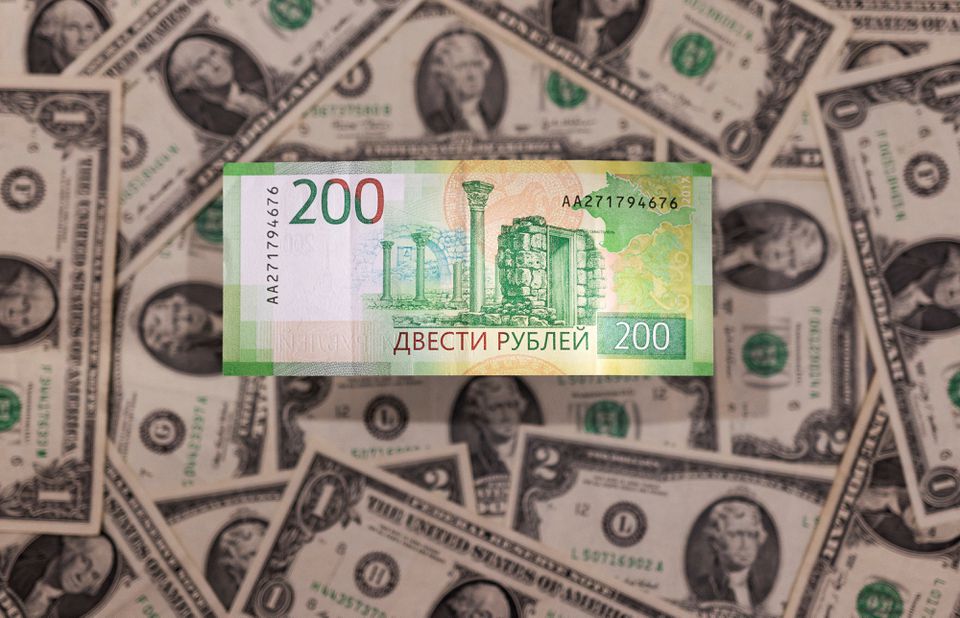
The Russian rouble firmed in early trade on Thursday, heading towards 62 against the euro on the Moscow Exchange, while stock indexes inched lower, lacking new momentum and trading ideas.
Goldman Sachs raises odds on U.S. Fed taper announcement in Nov
Goldman Sachs economists have raised the odds that the U.S. Federal Reserve will announce the start of tapering its bonds purchases in November, predicting the central bank will likely opt to dial back purchases by $15 billion then and at meetings that follow.
White House still sees inflation abating, can’t say exactly when

The White House expects supply chain pressures that are fueling higher inflation to abate in the “not-too-distant future,” but cannot say exactly when, a senior official said on Tuesday after June consumer prices showed the biggest gain in 13 years.
Fed keen to be ‘well positioned’ to act on inflation, other risks, minutes show
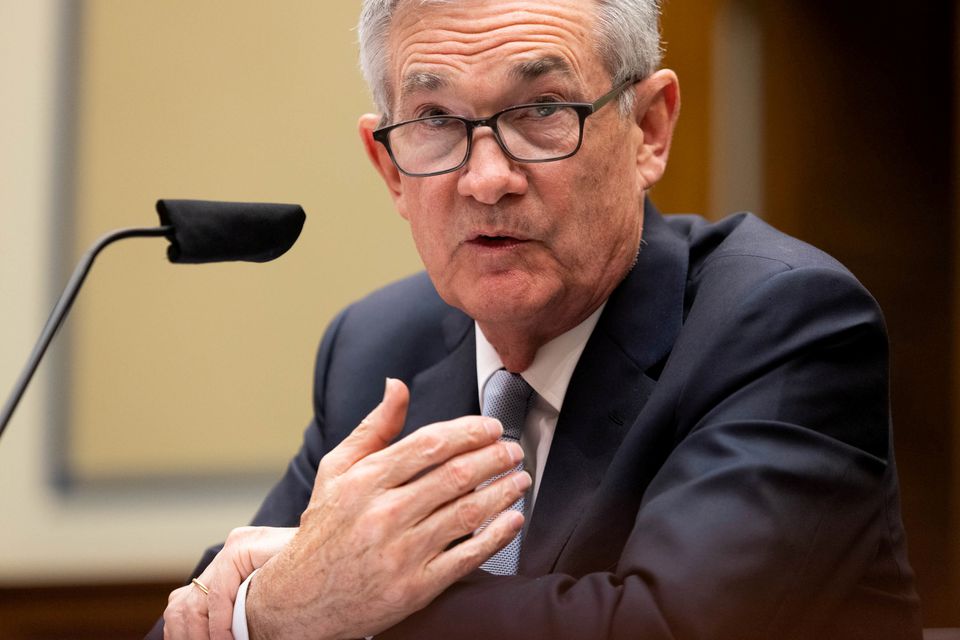
Federal Reserve officials last month felt substantial further progress on the U.S. economic recovery “was generally seen as not having yet been met,” but agreed they should be poised to act if inflation or other risks materialized, according to the minutes of the central bank’s June policy meeting.