

Afghanistan’s Fight to Recover from the Recent Humanitarian Crisis Following the Devastating Earthquakes
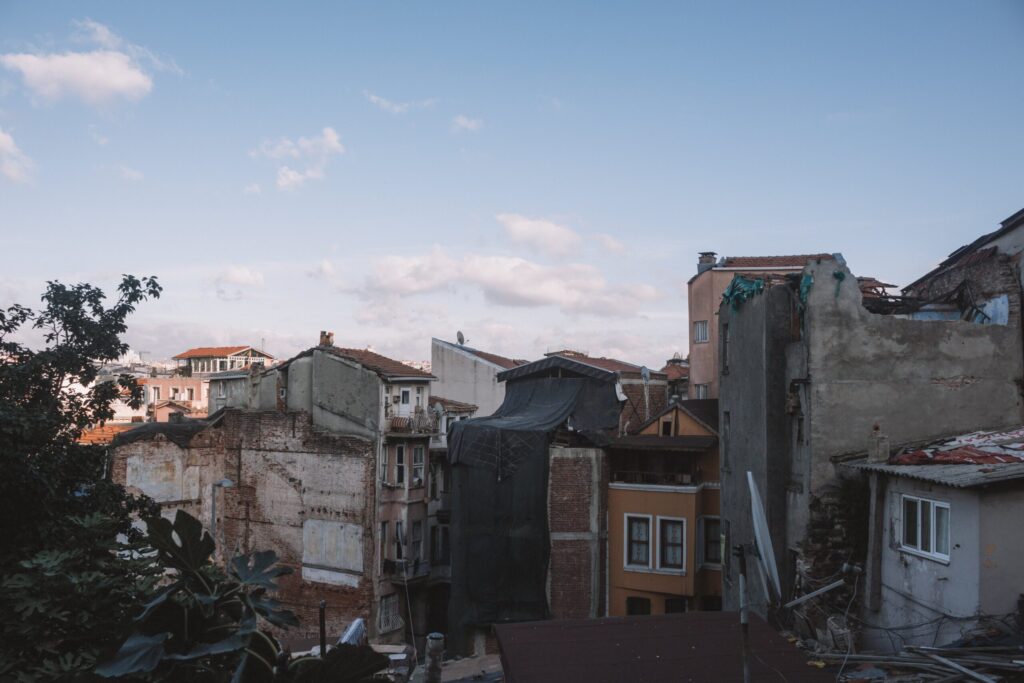
The recent series of earthquakes in Afghanistan has left behind a trail of destruction and has also unveiled the nation’s dire need for immediate humanitarian support. The high casualties among women and children are a poignant reminder of the vulnerabilities faced by Afghanistan’s most marginalized populations. While the Afghan Taliban grapples with providing shelter for the affected, their tenuous relationship with international aid organizations poses a complex challenge. The seismic events have underscored the necessity for short-term relief efforts and long-term structural reinforcement to protect against future earthquakes. As the nation navigates through these tumultuous times, international support and the resilience of its people become beacons of hope for recovery and reconstruction.
Morocco’s Ambitious Recovery Plan: Rebuilding After the Earthquake
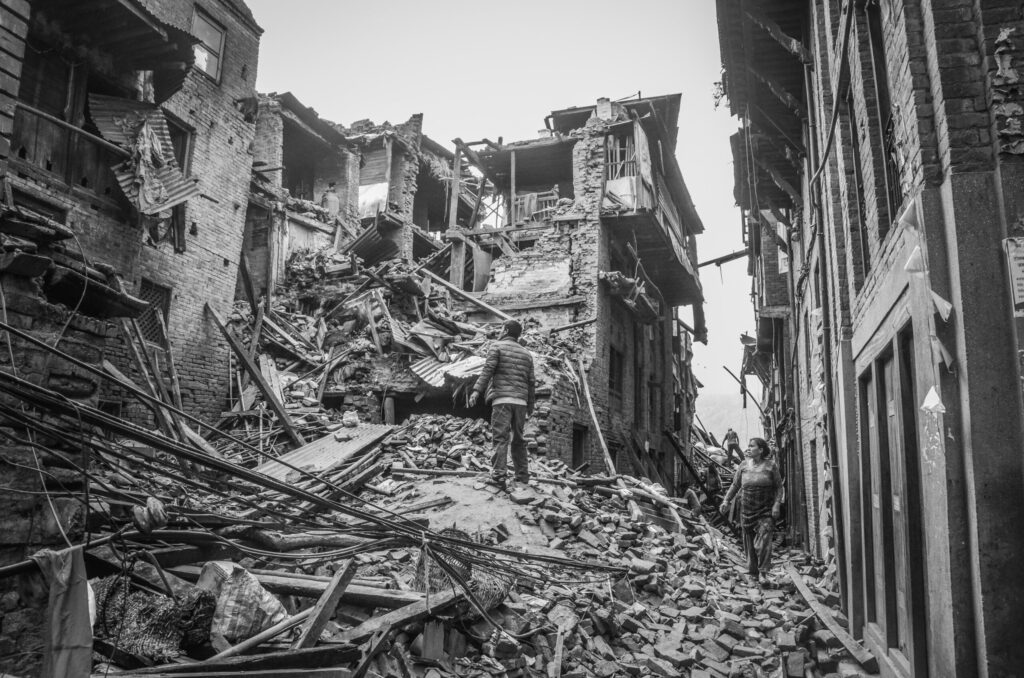
Morocco’s commitment to invest $11.7 billion in earthquake recovery and development over the next five years is a testament to its determination to rebuild after the devastating earthquake that struck in early September. The earthquake, the strongest in Morocco in 120 years, exposed vulnerabilities in several regions, leaving thousands without shelter and underscoring inequalities. This ambitious recovery plan, supported by both government funding and international aid, aims to not only reconstruct infrastructure but also reduce social disparities and enhance access to basic services in affected areas. The annual cost of this plan, around $2.3 billion, is a relatively small fraction of the country’s GDP, signaling Morocco’s dedication to economic growth and development. As the nation embarks on this journey to rebuild, global solidarity and support will be instrumental in achieving a more resilient and prosperous future for the affected communities.