

Morocco’s Resilient Economic Outlook Amidst Structural Reforms

Amidst challenging economic circumstances, Morocco’s commitment to enacting structural reforms stands as a beacon of hope. Despite figures pointing to a widening budget deficit and high debt-to-GDP ratio, a closer look reveals a nuanced story. With a strategy that includes consolidating VAT rates, introducing a carbon tax, and curbing the public wage bill, Morocco’s approach shows a determined effort to secure its financial future. Backed by an IMF assistance program and a resilient spirit, the nation’s economic trajectory seems poised for positive growth. As Morocco navigates these complex waters, its dedication to reform highlights its potential to overcome obstacles and embrace prosperity.
UK Government Appoints Experienced Economist to Budget Responsibility Committee

The UK’s pursuit of economic stability takes a step forward as Finance Minister Jeremy Hunt nominates Tom Josephs for a vital role in the Office for Budget Responsibility (OBR). Josephs’s diverse background, including his current position as Director of Private Pensions at the Department for Work and Pensions, makes him a prime candidate to join the Budget Responsibility Committee (BRC). His experience in domestic and international economic analysis and history at the OBR positions him to provide valuable insights into the country’s fiscal planning. With approval from the Treasury Committee, Josephs’s potential appointment adds a knowledgeable voice to the economic forefront.
Explainer: How Macron’s inflation relief law tests France’s new political order
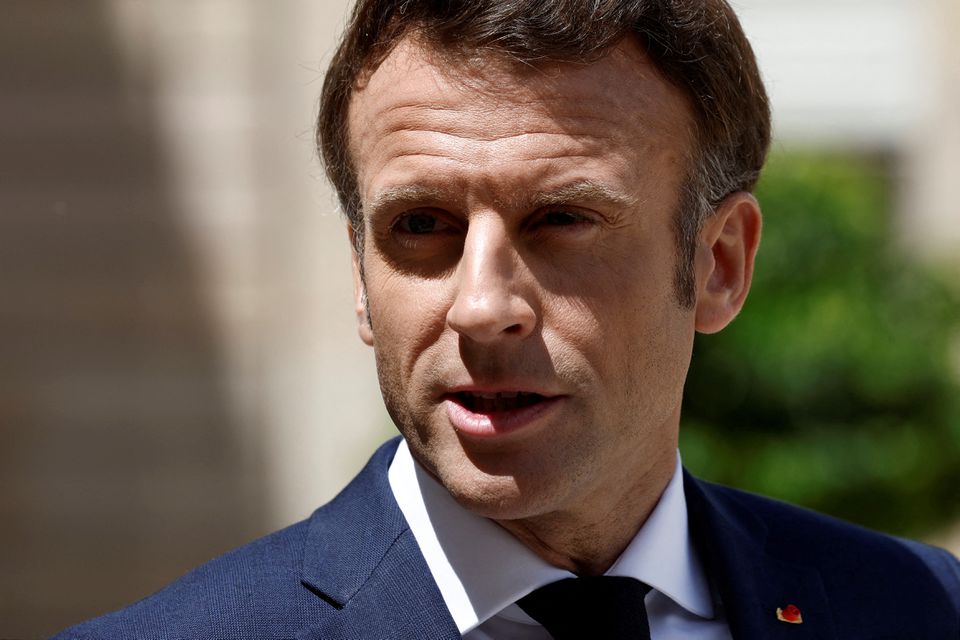
President Emmanuel Macron’s government will get its first taste of life under France’s new political order in the days ahead when it tables a bill to help households cope with runaway inflation without a controlling majority in parliament.
Japan finance minister vows stable JGB issuance via dialogue with markets

Japan will issue government bonds (JGBs) worth 215 trillion yen ($1.89 trillion) in the next fiscal year in a stable manner through dialogue with markets, its finance minister said on Monday, after stimulus to offset the impact of COVID-19 saw bonds worth 224 trillion yen issued this year.