

Trudeau’s Policy Pivot; The Canadian Carbon Price Suspension and Its Implications

Prime Minister Justin Trudeau’s suspension of the carbon tax on home heating oil in Canada’s eastern provinces demonstrates a significant policy shift. This decision, a response to political pressure and the concerns of voters, grants residents in the Atlantic region a three-year window to transition to electric heat pumps. The move aims to alleviate the rising cost of living and energy expenses, particularly in the Atlantic provinces, where the carbon tax only recently came into effect. While the suspension signifies a deviation from Trudeau’s climate policies, it underscores the government’s commitment to supporting residents in adapting to cleaner heating methods. However, it also raises questions about the long-term effectiveness of carbon pricing in driving sustainable investments.
Akasa Air Takes Flight; Nod for International Operations to Saudi Arabia, Kuwait, and Qatar

In a groundbreaking move, Akasa Air has received the government’s approval to extend its flight operations beyond India’s borders, signaling the airline’s entry into the international market. The destinations initially granted are Saudi Arabia, Kuwait, and Qatar, heralding a new era for this low-cost carrier. This development aligns with India’s modified 0/20 rule, facilitating international flights once an airline possesses a minimum of 20 aircraft in its fleet without any time-based constraints, a shift from the previous 5/20 rule. However, a notable challenge for Akasa Air lies in securing access to destinations like Dubai, where existing bilateral agreements have nearly been exhausted, underscoring the intricacies of international aviation regulations. The airline’s upcoming journey abroad will undoubtedly shape its role in the global aviation landscape.
Philippines Faces Hot Money Outflows Amid Global Economic Uncertainty
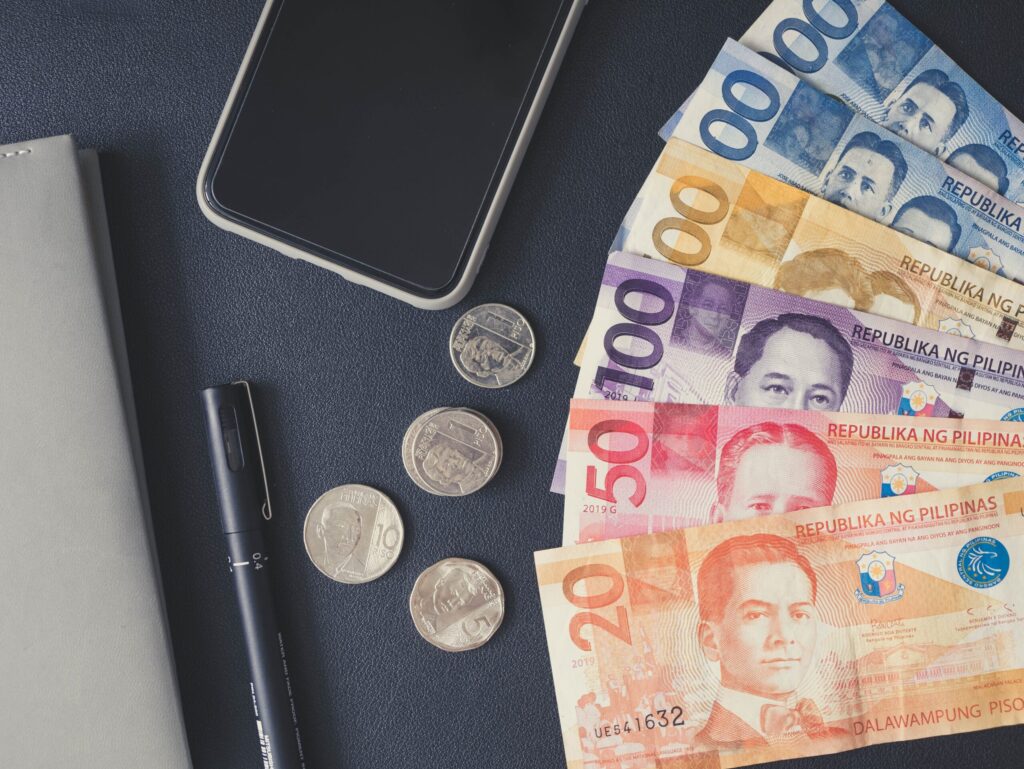
Amidst a backdrop of global economic uncertainty, the Philippines has witnessed a notable outflow of speculative funds, totalling $805 million in the first five months of the year. As hot money investments decrease and concerns over inflation and interest rates persist, international investors reevaluate their positions. Despite these challenges, key sectors such as banking, food and beverage, and property continue to attract investments. With the Bangko Sentral ng Pilipinas (BSP) implementing measures to stabilize the economy and inflation, the country’s economic outlook remains cautiously optimistic.