
Philippines Urges Swift PJEPA Review to Bolster Market Access
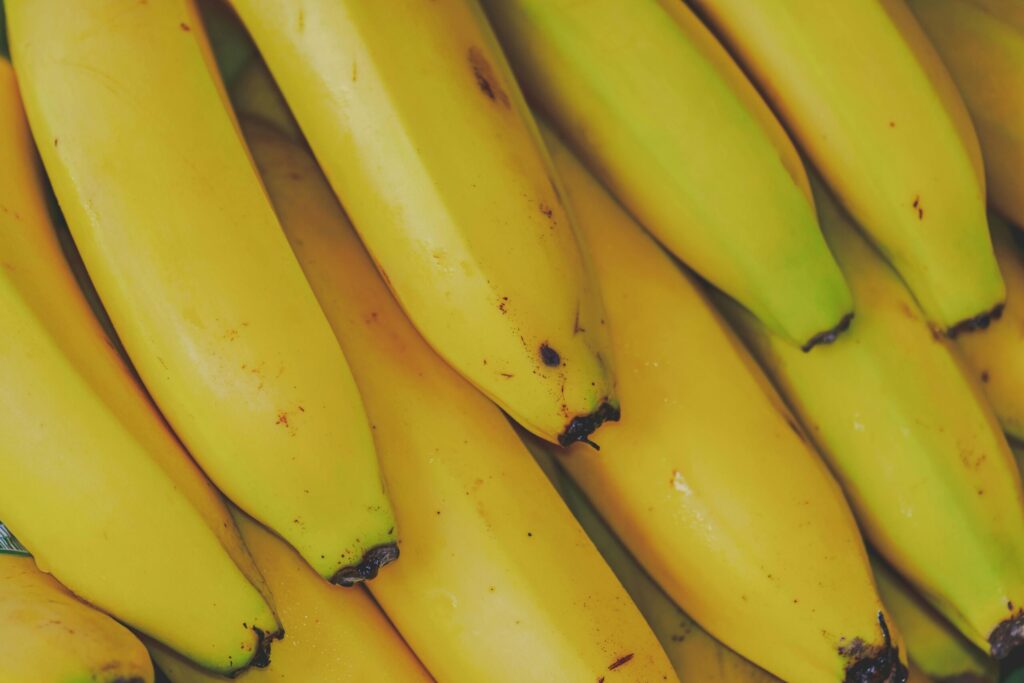
The Philippines is actively pushing for an expedited conclusion to the ongoing review of the Philippines-Japan Economic Partnership Agreement (PJEPA), emphasizing the need for improved market access, particularly for bananas. Trade Undersecretary Allan Gepty highlighted the urgency of accelerating the review process and addressing pending issues during negotiations with Japan. A key focus of the Philippines is to enhance market access for bananas by reducing tariffs. The Department of Agriculture is collaborating with the Department of Trade and Industry to secure preferential tariff rates, given the rising competition from other countries. The negotiation timeline depends on the shared ambitions of both nations, with the Philippines urging a swift resolution.
UK and India Strengthen Counter-Extremism Efforts with Funding Boost

During his visit to Delhi, UK security minister Tom Tugendhat has declared a new funding allocation of £95,000 (nearly Rs 1 crore) to enhance efforts against pro-Khalistan extremism. This initiative aims to bolster the partnership between the UK and India in addressing security concerns and extremist activities related to the Khalistan movement. The funding will contribute to the UK government’s strategies to identify and counter extremist narratives and activities, working in conjunction with India’s efforts through the joint extremism task force. This announcement underscores the commitment of both nations to strengthen cooperation and combat mutual security challenges.
Moroccan Senate President’s Historic Visit to Israel Delayed Due to Medical Emergency

The unexpected delay in Moroccan Senate President Enaam Mayara’s historic visit to Israel due to a medical emergency has cast a momentary pause on burgeoning diplomatic relations between the two nations. Mayara’s intended visit to Israel’s Knesset was poised to mark a pivotal moment, as he would have been one of the few Muslim leaders to enter the Israeli parliament. This delay comes against the backdrop of the 2020 Abraham Accords, which normalized relations between Israel and Morocco, among other Arab nations. Despite regional tensions, Israel’s relations with Morocco remain robust, with strong trade ties and shared interests. This delay serves as a temporary interruption in a promising diplomatic journey.
India and China Lead Russian Crude Oil Purchases, Shifting Global Dynamics

In a remarkable turn of events, India and China have emerged as dominant players in the global oil market, cementing their positions as major buyers of Russian crude oil. According to the International Energy Agency (IEA), these two Asian powerhouses accounted for a staggering 80 percent of Russia’s oil exports in May, signaling a significant shift in the dynamics of global energy trade. As the world’s fastest-growing economy, India’s increasing reliance on heavily discounted Russian oil aligns with its ambitious plans to meet its soaring energy demands. Meanwhile, China’s continued growth and robust oil consumption have solidified its position as a key player in the global oil market. With geopolitical developments and trade restrictions reshaping the landscape, Russia has redirected its seaborne crude exports to Asia, effectively pivoting away from its traditional European markets. This realignment highlights the changing dynamics of the oil industry and underscores Asia’s growing importance in meeting the world’s energy needs. As India and China assert their influence, the implications for the global oil trade and the future of energy markets remain compelling subjects of observation and analysis.
A family’s vaccine hopes shattered in Brazil

As newly vaccinated people in countries such as the United States and Britain celebrate their freedom from the pandemic, the shots are coming too late for others in the rest of the world. A vicious COVID-19 variant cut through three generations of the large, close-knit Cunha family in Brazil. Within the space of six weeks, several would be intubated and four would die.
How the U.S. locked up vaccine materials other nations urgently need

To fight the pandemic at home, the United States gave its own vaccine manufacturers priority access to American-made materials needed to make the shots. As a result, the U.S. government laid claim not only to vast quantities of finished COVID-19 vaccines but also to vaccine components and equipment all along the supply chain, according to […]