

Bank of England Governor Suggests Peak in Interest Rates Nearing Amid Stubborn Inflation

In Governor Andrew Bailey’s recent statement, we see the Bank of England navigating a challenging economic terrain, striving to combat surging inflation while maintaining economic stability. Bailey’s acknowledgement that the peak in interest rates is drawing near reflects the central bank’s cautious approach to rate hikes. The UK’s persistent inflation pressures have necessitated 14 consecutive rate increases, with another one expected soon. The delicate dance between taming inflation and sustaining robust wage growth remains a central concern for policymakers. Swati Dhingra’s dissenting viewpoint underscores the complexities of the policy decisions ahead as the BoE seeks to strike the right balance.
Rethinking the Role of Wage Growth in the UK’s Economic Recovery

Given the evolving economic landscape, the Bank of England’s current emphasis on restraining wage growth warrants reconsideration. As inflation and the cost of living crisis loom, the approach to curtailing wage increases may need adjustment. Rising import prices, driven by global factors, initially contributed to inflation but have since reversed course. This shift should prompt a broader economic strategy that accounts for various dynamics, including demand, inflation, and policy implications. The Bank of England’s approach must adapt to navigate the intricate factors in the UK’s economic recovery.
Bank of England Set to Tackle Inflationary Pressures with Potential Interest Rate Hike

The Bank of England’s potential interest rate hike reflects its commitment to tackling inflationary challenges and ensuring economic stability. As global central banks grapple with rising inflation, striking the right balance between curbing consumer spending and supporting sustainable growth remains a top priority. The UK’s economic resilience, as forecasted by the IMF, presents a glimmer of hope amid uncertainties. The BoE’s measured approach in implementing interest rate adjustments will be instrumental in steering the economy towards a path of long-term prosperity and financial well-being.
UK Banks Show Resilience Amid Rising Interest Rates, Offering Support to Struggling Households

The Bank of England’s recent assessment provides reassurance that major UK banks are well-positioned to support struggling households amid rising interest rates. With a focus on managing potential risks and offering financial options to borrowers, the banking sector aims to mitigate the impact of increasing debt burdens. As individuals navigate the changing landscape, proactive financial management and open communication with lenders will play a significant role in achieving stability and mitigating potential hardships.
Yield Curve Inversion Raises Concerns and Signals Economic Shifts

In a rare occurrence with potentially far-reaching consequences, the U.S. yield curve has experienced its deepest inversion since 1981. This inversion, where short-term Treasury bond yields surpass long-term yields, has historically been associated with economic downturns. Investors and experts are closely monitoring this development, questioning its implications and whether it could signal an upcoming recession. While an inverted yield curve is not unheard of, the magnitude of this inversion is catching attention and prompting careful analysis. Experts suggest that factors such as expectations of further interest rate hikes and concerns about inflation are contributing to this unique situation. As the financial landscape continues to evolve, market participants remain watchful, looking for signs of stabilization or potential shifts that could impact the broader economy.
U.S. Federal Reserve Unveils 2023 Bank Stress Test Results

In a testament to the strength of the U.S. banking sector, the Federal Reserve’s unveiling of the 2023 bank stress test results showcased the industry’s resilience while shedding light on potential areas of concern. These annual evaluations, designed to simulate severe economic downturns, have become vital in safeguarding the financial system. While the tests revealed banks’ improved ability to navigate challenging scenarios, they also emphasized the need to address vulnerabilities. With a focus on maintaining stability and preparing for future economic challenges, stress tests play a critical role in shaping the future of the banking industry.
Analysis: China’s mortgage boycott quietly regroups as construction idles

Two months since many Chinese homebuyers stopped repaying mortgages to protest stalled construction on their properties, a lack of progress at more sites now threatens to intensify the boycott, despite assurances from authorities.
Swedbank misses second quarter profit forecasts, maintains 2022 cost cap
Swedish lender Swedbank (SWEDa.ST) reported a smaller-than-expected net profit for the second quarter on Tuesday, as higher costs and lower trading gains took some of the shine off rising income from mortgages on the back of higher interest rates.
Caixabank ups profitability target, unveils $1.9 billion share buyback

Caixabank (CABK.MC) raised its key profitability target for 2024 and announced a 1.8 billion euro ($1.88 billion) share buy-back programme, expecting higher interest rates and economic recovery to boost banking revenue.
Analysis: Battered bulls hope Fed pain in rearview mirror after Powell maps out hikes
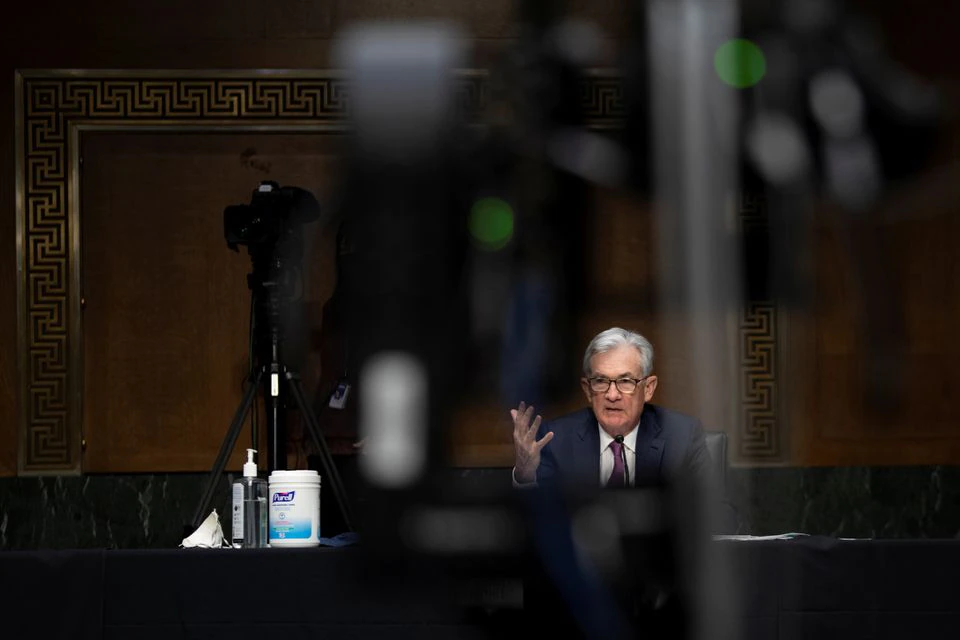
Federal Reserve Chair Jerome Powell gave investors a glimmer of hope that the central bank is unlikely to become more hawkish in coming months, though few see reason for long-term optimism in the face of soaring inflation and fears of slowing growth.