
Morocco’s Ambitious Plans to Revitalize Tourism Sector Post-Earthquake

Ambitious goals and attractive incentives for investors mark Morocco’s determined efforts to revitalize its tourism sector post-earthquake. With plans to double annual tourism investments to $2 billion by 2026, the country aims to welcome millions of tourists, create jobs, and boost foreign exchange earnings. Despite a recent earthquake, Morocco remains an alluring destination, offering diverse landscapes and competitive infrastructure. The nation’s strategic roadmap emphasizes the development of beach resorts and leisure attractions, diversifying its tourism offerings. As Morocco seeks investment from GCC, Asian, and African investors, its stability and global positioning make it a compelling destination for capital inflow.
Economic Resilience Amidst Oil Output Cuts: GCC Growth Prospects

The Gulf Cooperation Council (GCC) economies faced an intricate economic landscape in the second quarter of 2023, marked by reduced oil production. This led to a 0.5 percentage point downward revision in growth forecasts for the GCC, setting the growth rate at 1.4% for the year. However, the region’s non-energy sectors have shown resilience, with robust growth in tourism-related industries. Rising energy prices, driven by global factors, have also played a pivotal role, with Brent oil reaching $90 per barrel. The impending inclusion of Saudi Arabia and the UAE into the BRICS group offers a ray of hope, fostering economic diversification and reducing reliance on the US dollar, setting the stage for a more optimistic future.
GCC Governments Spearhead Efforts to Foster Inclusive Growth and Curtail Shadow Economy

The Gulf Cooperation Council (GCC) countries have made remarkable strides in managing their shadow economies, surpassing the global average significantly. Recent reports indicate that informal businesses in the region account for only 18% of the total GDP, showcasing the success of integration efforts. These achievements reflect the government’s commitment to foster inclusive growth and prioritize small and medium-sized enterprises (SMEs) as key drivers of economic prosperity. The GCC nations are positioning themselves as global leaders in curbing the shadow economy and creating a sustainable economic landscape through effective policies, such as enhanced tax enforcement, digitalization, and financial inclusion. By empowering SMEs and embracing an inclusive growth approach, the region is poised for long-term success and resilience.
Binance gets its first Gulf crypto licence in Bahrain
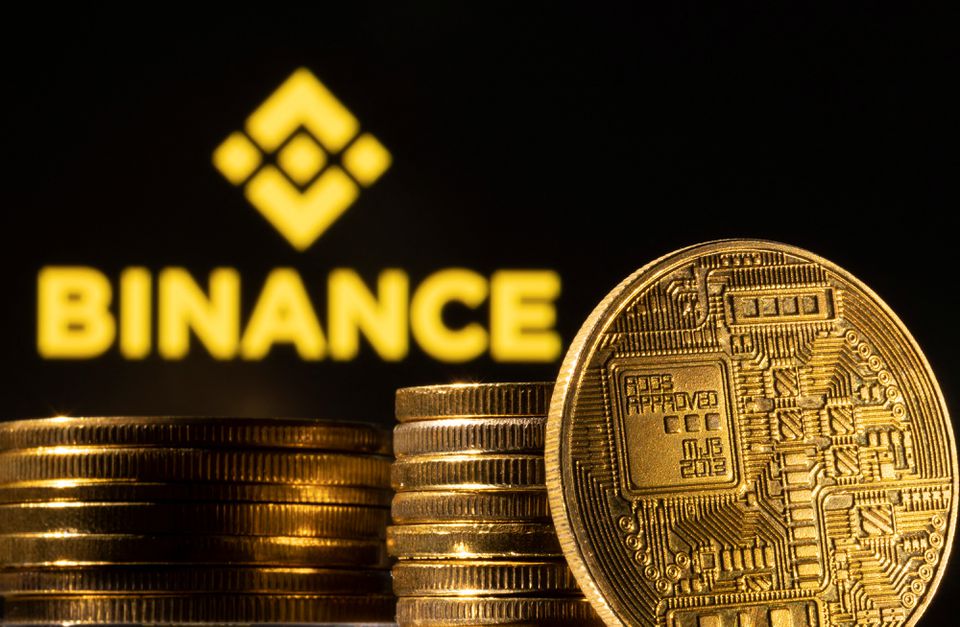
The world’s largest cryptocurrency exchange Binance has been given a crypto-asset service provider licence by Bahrain’s central bank, its first such licence in the Gulf Cooperation Council (GCC), the company and the bank said on Tuesday.