
Bank of England Holds Steady Amidst Economic Challenges

The Bank of England’s recent decision to maintain historically high-interest rates reflects its commitment to navigating a challenging economic landscape. Despite acknowledging the potential for a recession and minimal growth, the bank reiterated its stance with a 6-3 vote. Their primary concern is addressing soaring inflation levels, with no immediate plans for rate cuts, according to BoE Governor Andrew Bailey. The bank, however, remains cautious due to global uncertainties, such as the Middle East conflict and strong wage growth, which may sustain inflationary pressures. Despite this caution, it anticipates a return to its 2 percent inflation target by the end of 2025.
Oman Navigates Oil Export Challenges Amidst Changing Global Dynamics
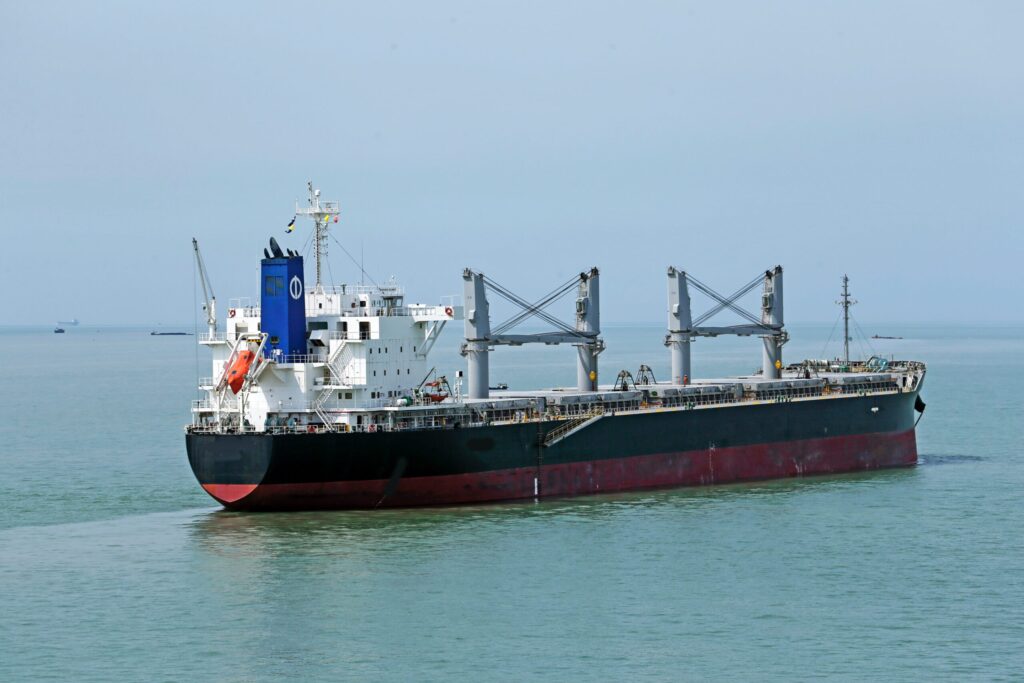
Oman, a significant player in the global oil market, is facing changing dynamics in its oil exports. The sultanate’s oil exports witnessed a 5.7% decline in the first seven months of 2023, primarily due to reduced shipments to India, a vital trade partner. The drop in exports to India by 90.1% is emblematic of shifting global trade preferences and the impact of geopolitical changes. On the other hand, Oman’s exports to China surged by 12.8%, emphasizing the strategic importance of maintaining strong relationships with key partners. Amidst these fluctuations, Oman’s stable oil production underscores its resilience in a volatile energy landscape.
Jordan’s Economic Resilience in the Face of Global Challenges

Jordan’s recent governmental forum on the shores of the Dead Sea highlighted the nation’s financial resilience in a turbulent global economy. Minister of Planning and International Cooperation Zina Touqan emphasized the importance of global economic trends in shaping Jordan’s fiscal strategies. The forum underlined the urgent need to fund the Jordanian response plan to the Syrian refugee crisis, with only 9 percent of requirements being met so far.
India and China Lead Russian Crude Oil Purchases, Shifting Global Dynamics

In a remarkable turn of events, India and China have emerged as dominant players in the global oil market, cementing their positions as major buyers of Russian crude oil. According to the International Energy Agency (IEA), these two Asian powerhouses accounted for a staggering 80 percent of Russia’s oil exports in May, signaling a significant shift in the dynamics of global energy trade. As the world’s fastest-growing economy, India’s increasing reliance on heavily discounted Russian oil aligns with its ambitious plans to meet its soaring energy demands. Meanwhile, China’s continued growth and robust oil consumption have solidified its position as a key player in the global oil market. With geopolitical developments and trade restrictions reshaping the landscape, Russia has redirected its seaborne crude exports to Asia, effectively pivoting away from its traditional European markets. This realignment highlights the changing dynamics of the oil industry and underscores Asia’s growing importance in meeting the world’s energy needs. As India and China assert their influence, the implications for the global oil trade and the future of energy markets remain compelling subjects of observation and analysis.