

Economic Headwinds Challenge Philippines’ Growth Prospects in Q3

As the Philippines confronts economic headwinds, concerns of a potential modest recession in Q3 have emerged. The Pantheon Macroeconomics report indicates that the recent GDP growth of 4.3 percent falls far short of the expected 6 percent, signaling economic turbulence. A contraction of 0.9 percent in the domestic economy during Q2 and weakening private consumption have added to the uncertainties. Despite these challenges, Finance Secretary Benjamin Diokno remains cautiously optimistic about achieving the government’s growth target of 6 to 7 percent, citing the impact of monetary tightening and inflation mitigation measures.
The Philippine Economic Landscape, Challenges and Prospects Amidst Shifting Tides
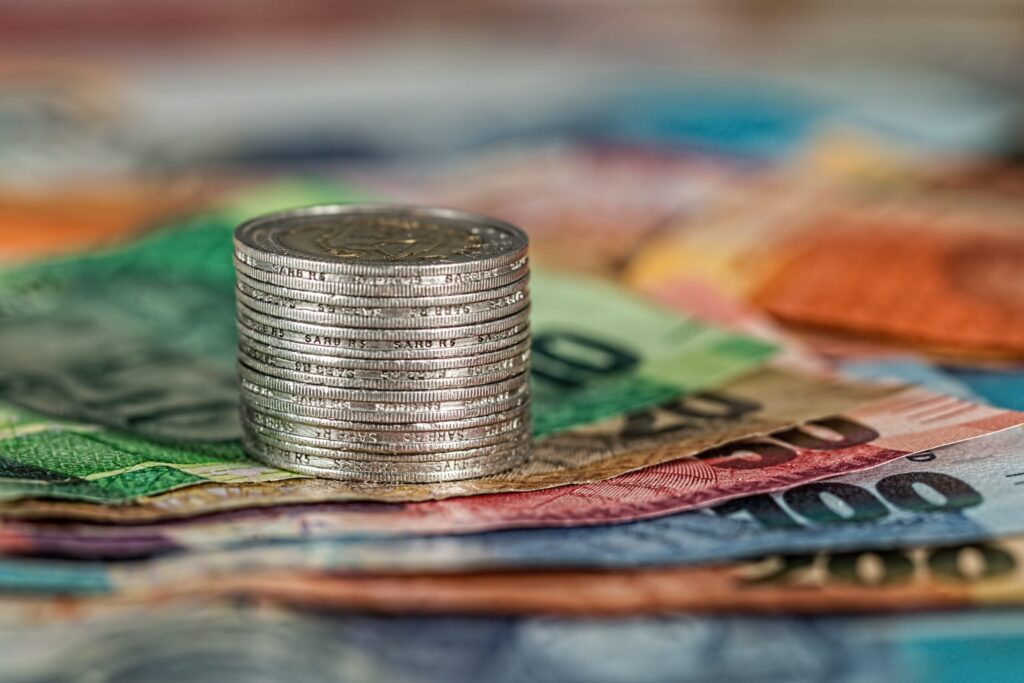
As highlighted by recent OECD adjustments, the Philippine economy stands at a crossroads in 2023. A slightly lowered growth projection of 5.6% reflects the intricate interplay of factors, including the impact of high interest rates on pent-up demand. The first quarter’s robust economic expansion was juxtaposed with higher inflation and borrowing costs, resulting from assertive monetary tightening. The role of government spending is expected to drive recovery in the second semester, countering a second-quarter contraction. Meanwhile, influenced by various factors, inflation dynamics add complexity to the economic landscape, necessitating a careful balance between growth and inflation control.
Germany’s Battle to End the Ongoing Recession and Energy Crisis
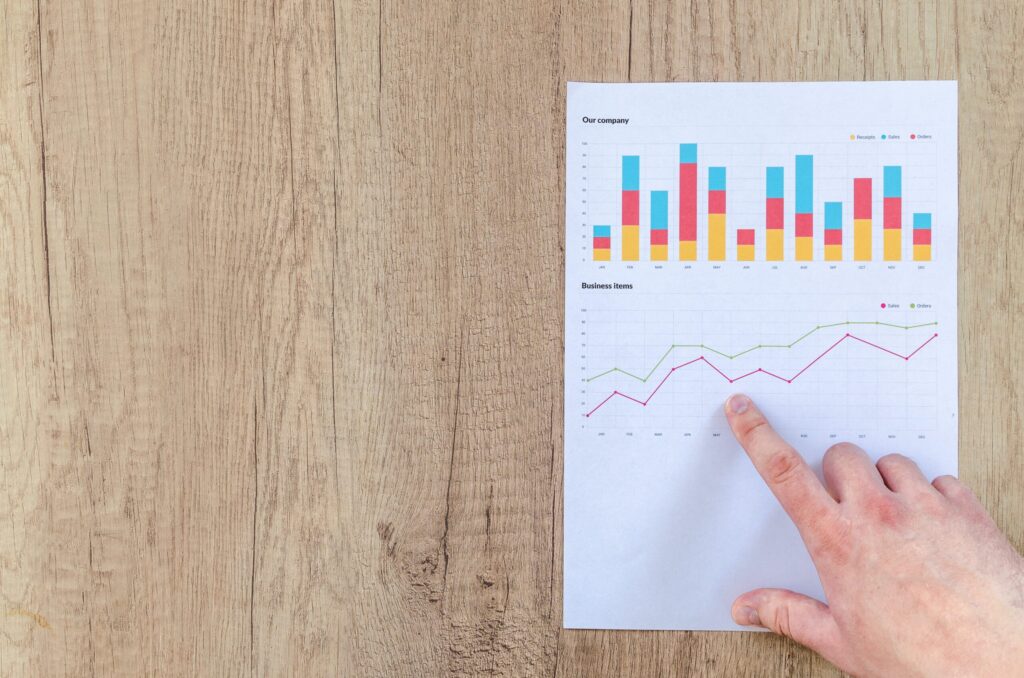
Germany once hailed as an economic powerhouse, now finds itself at a crossroads. Business leaders and experts are sounding the alarm as the nation grapples with a weakening economy and the challenges of transitioning to green energy. Soaring inflation, sluggish export markets, and high energy costs loom over Germany’s economic landscape, raising concerns about its future. Amid these difficulties, Chancellor Olaf Scholz envisions a new era of economic growth through the transition to renewable energy. However, skepticism remains as experts question the immediate benefits and exorbitant costs associated with this green revolution. Germany must confront its structural weaknesses, such as bureaucracy and an ageing population while addressing industry concerns and shifting dynamics. The road ahead may be challenging, but Germany’s resilience and adaptability will determine its success in securing a prosperous future.
Global firms warn of sluggish China demand due to lengthy COVID curbs

May 26 (Reuters) – Two months into harsh COVID-19 lockdowns that have choked global supply chains, China’s economy is staggering back to its feet, but businesses from retailers to chipmakers are warning of slow sales as consumers in the country slam the brakes on spending. Car sales in the world’s largest auto market have slowed […]
U.S. economy likely regained steam in Q4, 2021 growth seen best in 37 years
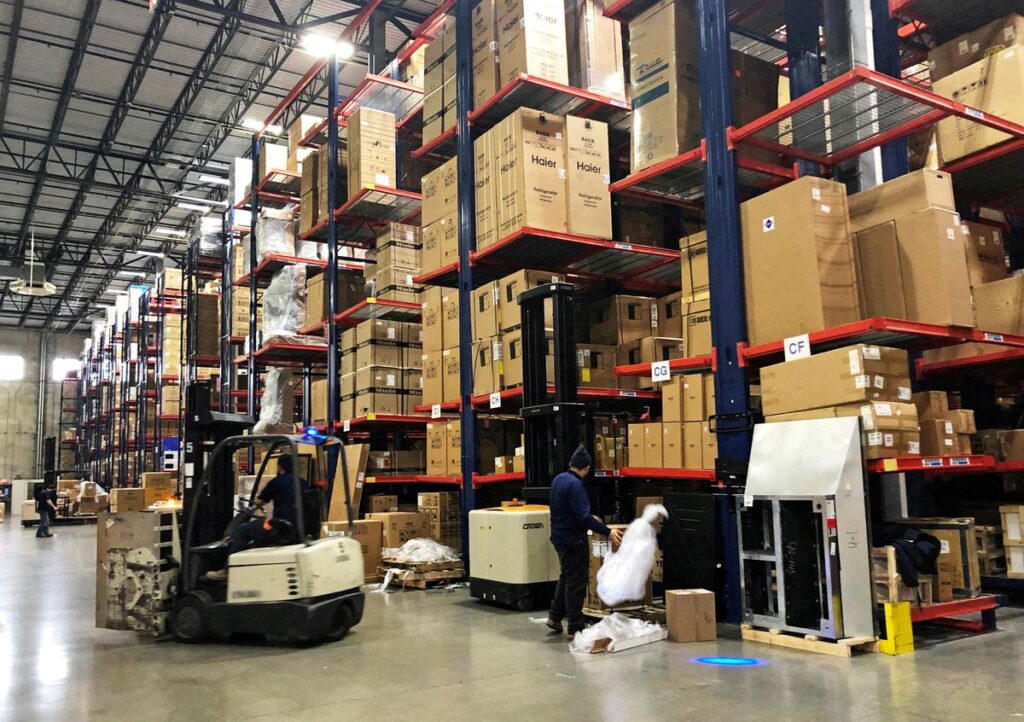
U.S. economic growth likely accelerated in the fourth quarter as businesses replenished depleted inventories to meet strong demand for goods, helping the nation to log its best performance in nearly four decades in 2021.
Japan raises FY2022 GDP growth estimate amid risks to outlook
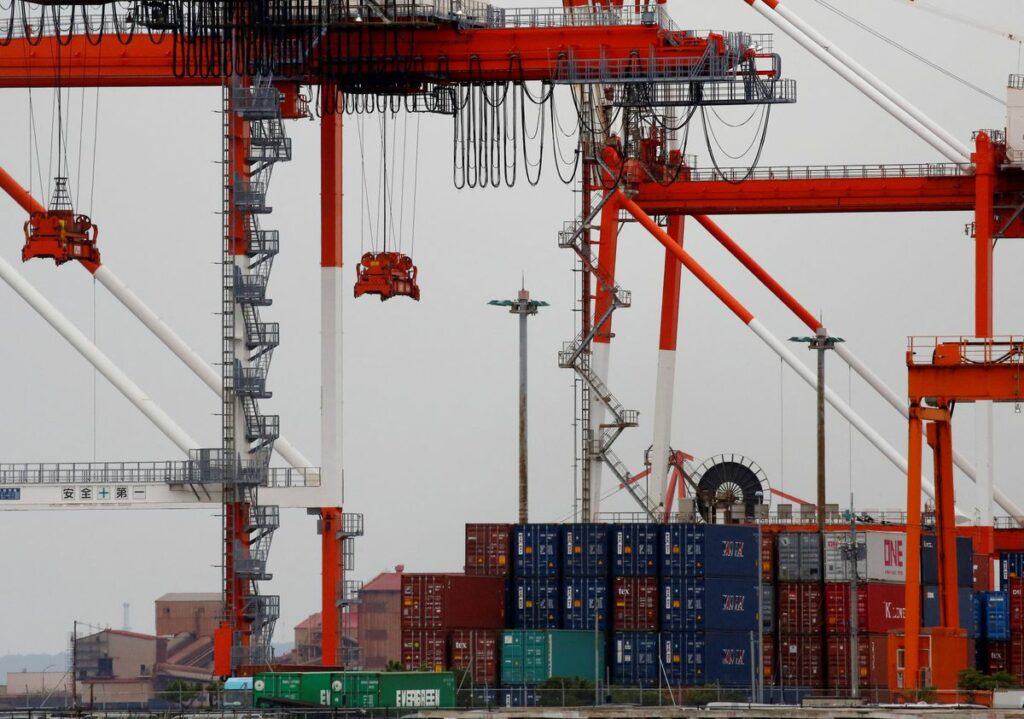
Japan upgraded on Thursday its growth projections for the next fiscal year starting in April, saying it expected gross domestic product (GDP) to hit a record even amid risks from the Omicron variant and supply constraints, Cabinet Office officials said.