

Navigating Inflation Trends and Fiscal Resilience in Oman

Oman’s recent economic landscape reveals a noteworthy decline in inflation, reaching its lowest level since March 2021. The Sultanate’s Consumer Price Index (CPI) dropped to 0.30% in October 2023, showcasing a consistent decrease attributed to global factors and government measures. The strategic regulation of fuel prices and exemptions for essential commodities from value-added tax played a pivotal role in curbing inflation. Various sectors, including food and transportation, contributed to this trend, with food items experiencing slower inflation due to reduced prices of key commodities. The International Monetary Fund (IMF) anticipates Oman to maintain the lowest inflation rate in the GCC, highlighting the country’s fiscal resilience and strategic economic reforms.
Bank of England Faces Dilemma as Inflation Unexpectedly Falls in August

The unexpected drop in UK inflation for August has thrown the Bank of England’s upcoming interest rate decision into uncertainty. Official data revealed a slight decrease in the consumer price index (CPI), from 6.8 percent in July to 6.7 percent, contrary to economists’ predictions of a seven percent figure. This surprising decline is attributed to lower food prices and reduced costs for overnight accommodation, somewhat offsetting the rising energy expenses. Core inflation, which excludes volatile components, experienced a more significant drop, falling to 6.2 percent in August. As the Bank of England faces this dilemma, observers are keen to see how they will balance economic recovery with inflation management.
Euro zone inflation hits yet another record high after big jump
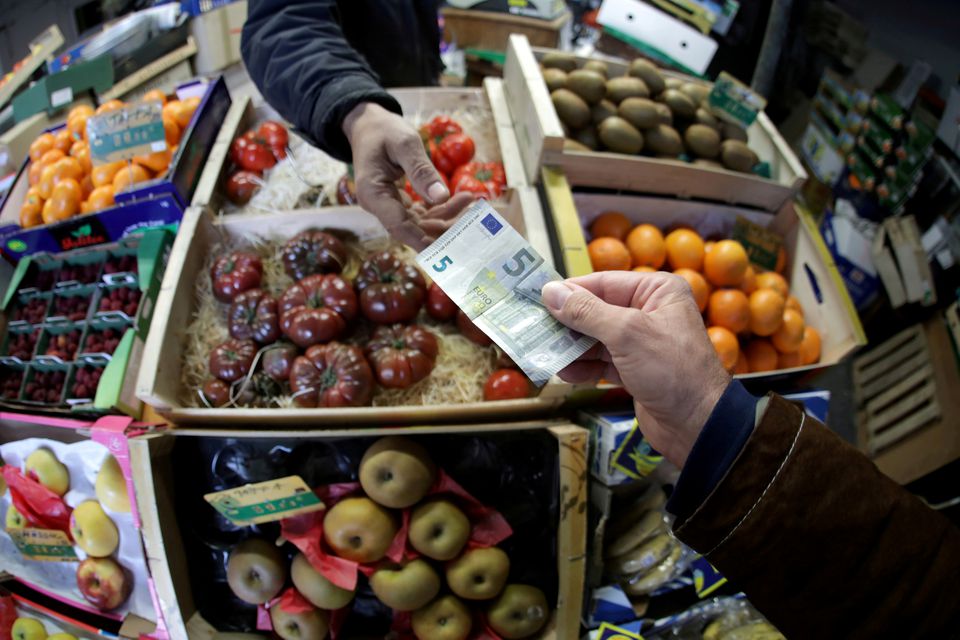
Euro zone inflation rose to another record high in July and its peak could still be months away, keeping pressure on the European Central Bank to opt for another big interest rate increase in September.