

PwC Predicts a Turning Point for the UK

In a nuanced economic landscape, PwC’s 2024 forecast offers a beacon of hope for the UK, anticipating an upturn from the challenges of the post-pandemic era. Despite a dip in M&A activity in 2023, the projection outlines a positive shift with improvements in household finances, real incomes, and regional growth. The corporate sector, however, faces a potential rise in insolvencies, particularly affecting smaller businesses. Global defense orders surge amidst geopolitical tensions, adding a layer of complexity to economic predictions. Market dynamics, including a strengthened pound and energy price fluctuations, further contribute to the intricate economic tapestry awaiting the UK in the upcoming year.
U.S. Federal Reserve Unveils 2023 Bank Stress Test Results
In a testament to the strength of the U.S. banking sector, the Federal Reserve’s unveiling of the 2023 bank stress test results showcased the industry’s resilience while shedding light on potential areas of concern. These annual evaluations, designed to simulate severe economic downturns, have become vital in safeguarding the financial system. While the tests revealed banks’ improved ability to navigate challenging scenarios, they also emphasized the need to address vulnerabilities. With a focus on maintaining stability and preparing for future economic challenges, stress tests play a critical role in shaping the future of the banking industry.
Middle East’s Asset Management Industry Outperforms Global Trends, Fosters Transformation

In a remarkable feat, the asset management industry in the Middle East has defied global economic challenges, recording a growth rate of 7% in 2022 and reaching a staggering $1.3 trillion in assets under management. This accomplishment starkly contrasts the global trend, where the asset management industry witnessed a decline of 10%. According to a Boston Consulting Group (BCG) report, asset managers in the region are urged to transform their businesses in the face of market uncertainties, fee compression, rising costs, and technological advancements. The Middle East’s positive growth outlook, driven by higher oil income and favourable equity market developments, sets it apart from its global counterparts. However, the report emphasizes the need for asset managers to adapt and diversify their revenue streams while leveraging technology to create unique client experiences. This transformation is crucial for sustained profitability in an ever-changing market landscape. By embracing change and exploring alternative investments, asset managers in the Middle East can position themselves as leaders in the global market.
Exclusive: Goldman Sachs to cut asset management investments that weighed on earnings
Goldman Sachs Group Inc’s asset management arm will significantly reduce the $59 billion of alternative investments that weighed on the bank’s earnings, an executive told Reuters.
Futures tick down ahead of big bank earnings, retail sales data
U.S. stock index futures edged lower on Friday as caution kicked in ahead of quarterly results from four of the nation’s biggest banks that could set the tone for the third-quarter earnings season.
Dollar General lifts sales forecast as inflation-hit Americans drive demand
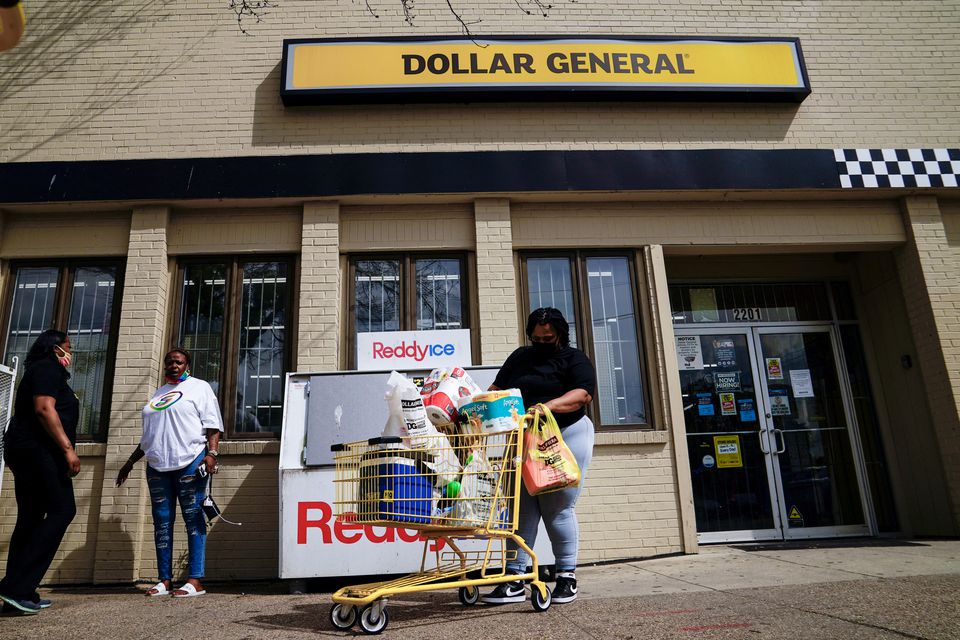
Dollar General Corp (DG.N) lifted its annual comparable sales forecast on Thursday, encouraged by Americans flocking to discount store chains for everything from groceries to household supplies in the face of higher inflation.
EXCLUSIVE Germany to overhaul laws to allow energy bailouts – sources
Germany’s government will have the power to take stakes in utilities and impose emergency levies on consumers under proposed legal changes now under discussion, three sources told Reuters, as Berlin moves to beef up energy security.
U.S. banks expect a clean bill of health after Fed’s stress tests
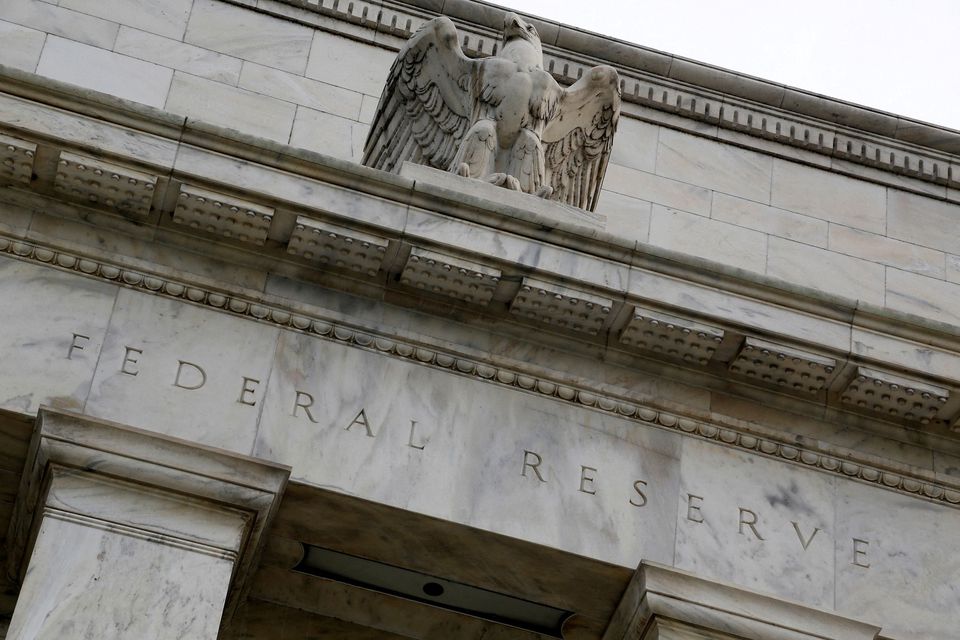
Large U.S. banks are optimistic they will receive a clean bill of health from the Federal Reserve this week, freeing them up to distribute billions of dollars in excess capital to investors.
Dollar drives higher, yen tumbles to 1998 lows
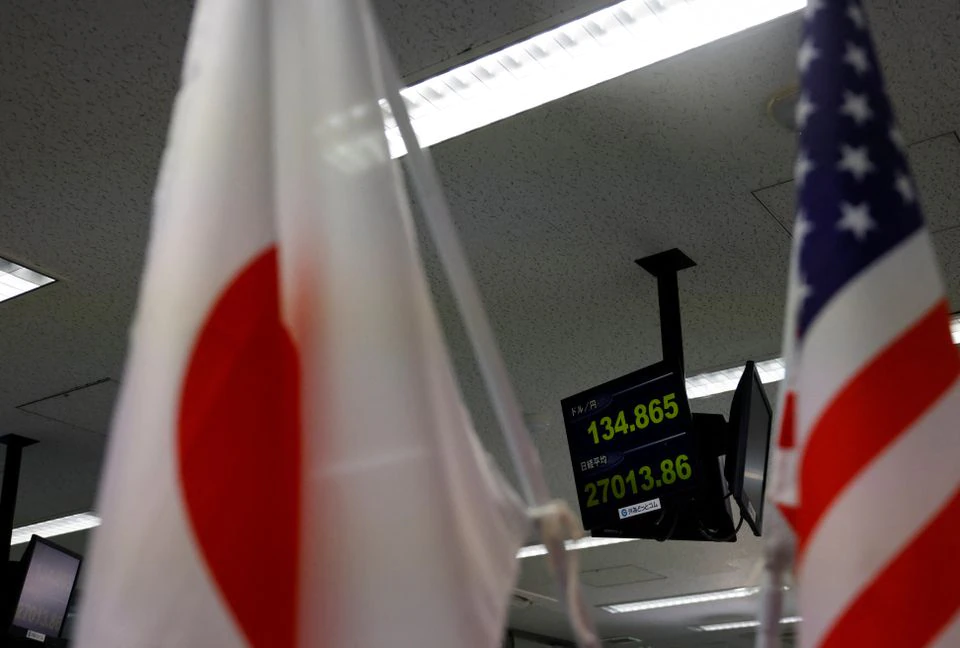
The safe haven dollar gained towards fresh two-decade highs versus major rival currencies on Monday, supported by fears over a global economic slowdown and bets on steep interest rate hikes by the U.S. Federal Reserve.
U.S. banks finally see upturn in credit-card borrowing

Big U.S. banks including JPMorgan Chase & Co (JPM.N) and Citigroup (C.N) appear set for some earnings boost from a pick-up in the battered credit-card business, but a possible recession would pull consumers back and bring losses on outstanding loans.