

Inflation Eases in October, A Glimmer of Hope for Consumers Amidst Economic Uncertainties

In October, consumer prices in the U.S. rose by 3.2% compared to the previous year, signaling a noteworthy slowdown and offering respite for consumers. The data reflects a 0.5% decline from September, showcasing progress in the Federal Reserve’s campaign to curb inflation. While the drop in gas prices contributed to this decline, core inflation, excluding food and energy prices, only slightly decreased to 4.0% in October. The positive development comes amid robust economic growth, with the GDP expanding at a rate of 4.9% over the three months ending in September. However, challenges such as rising long-term borrowing costs and record-high credit card debt pose potential risks to sustained economic growth.
Bank of England’s Monetary Policy Holds Steady Amid Economic Uncertainty

The Bank of England has opted to keep the Bank Rate at 5.25% until at least July, marking a pause in its tightening cycle, according to a Reuters poll of economists. This decision comes after last week’s surprising move by the BoE to hold rates, citing a slowing economy and lower-than-expected inflation. The central bank has gradually increased rates by 515 basis points in 14 consecutive moves since December 2021 to combat soaring inflation. While the recent decision may offer some respite to borrowers, there’s still a divided opinion among experts on whether further rate hikes are necessary later this year.
Jordanian Dinar Shows Resilience; Exchange Rate Trends in 2022
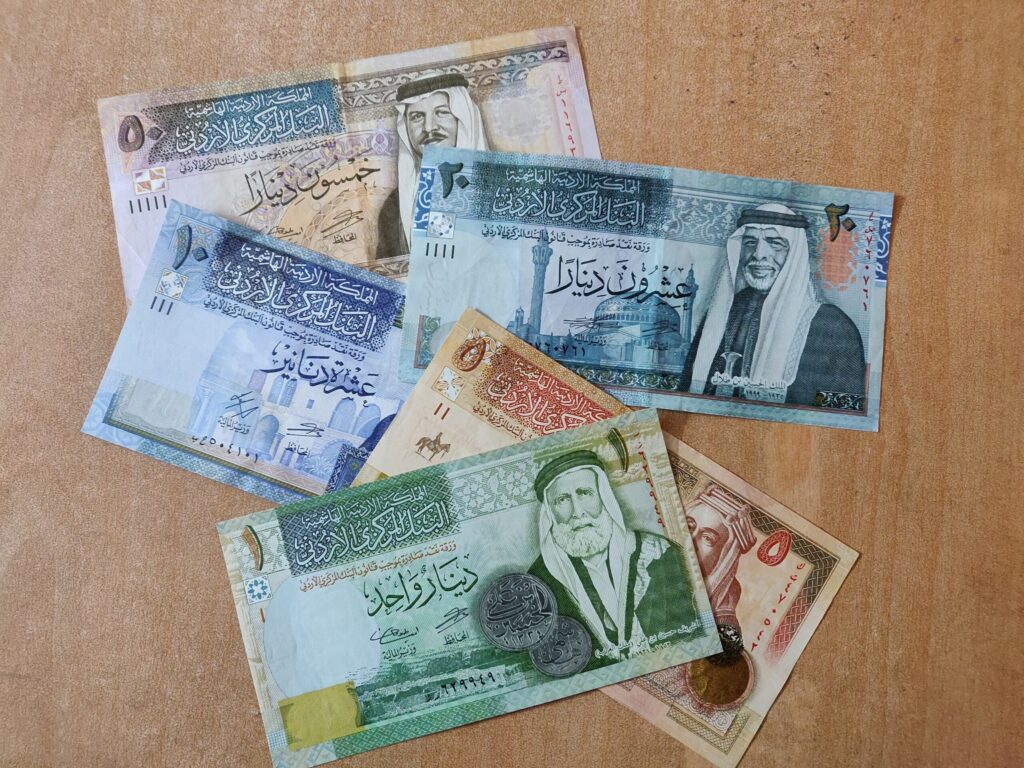
The Jordanian Dinar showcased its resilience in 2022, with a notable rise in its exchange rate against major global currencies. The annual report from the Jordanian Central Bank unveiled an increase of 6.9 percent against the Euro, 9.1 percent against the British Pound, and a significant 18.6 percent against the Japanese Yen. This positive trend reflects Jordan’s stable economic foundation and well-considered monetary policies. The Central Bank’s steadfast commitment to a fixed exchange rate policy against the US Dollar since 1995 has bolstered economic stability and instilled investor confidence in the country’s financial landscape.
Economic Headwinds Challenge Philippines’ Growth Prospects in Q3

As the Philippines confronts economic headwinds, concerns of a potential modest recession in Q3 have emerged. The Pantheon Macroeconomics report indicates that the recent GDP growth of 4.3 percent falls far short of the expected 6 percent, signaling economic turbulence. A contraction of 0.9 percent in the domestic economy during Q2 and weakening private consumption have added to the uncertainties. Despite these challenges, Finance Secretary Benjamin Diokno remains cautiously optimistic about achieving the government’s growth target of 6 to 7 percent, citing the impact of monetary tightening and inflation mitigation measures.