PwC Predicts a Turning Point for the UK

In a nuanced economic landscape, PwC’s 2024 forecast offers a beacon of hope for the UK, anticipating an upturn from the challenges of the post-pandemic era. Despite a dip in M&A activity in 2023, the projection outlines a positive shift with improvements in household finances, real incomes, and regional growth. The corporate sector, however, faces a potential rise in insolvencies, particularly affecting smaller businesses. Global defense orders surge amidst geopolitical tensions, adding a layer of complexity to economic predictions. Market dynamics, including a strengthened pound and energy price fluctuations, further contribute to the intricate economic tapestry awaiting the UK in the upcoming year.
Assessing Canada’s Economic Challenges Amidst the Threat of Recession
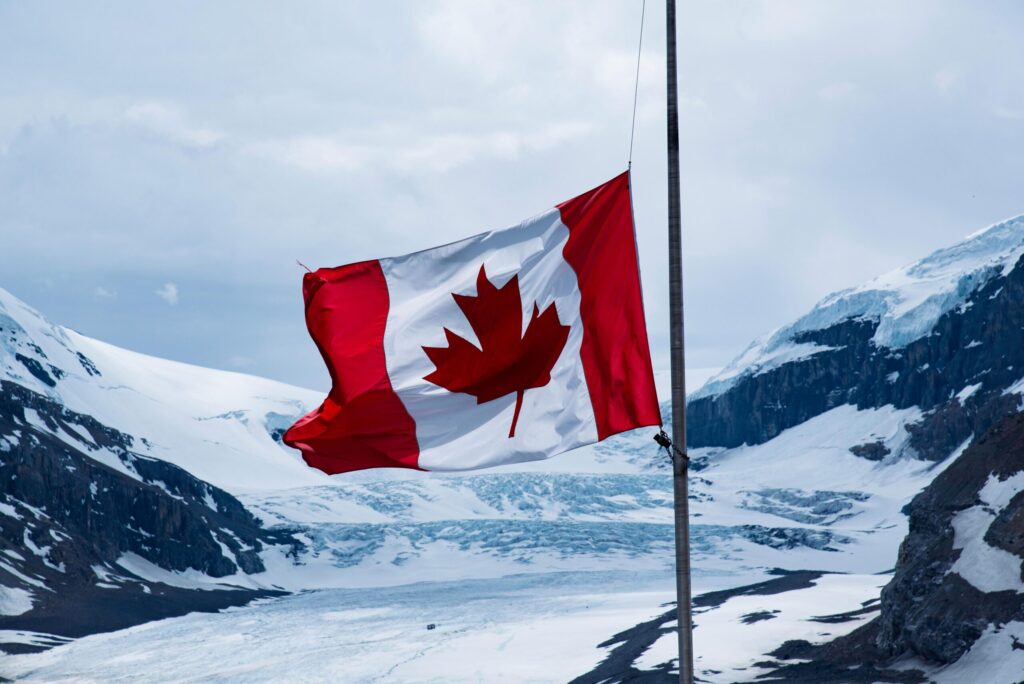
The Canadian economy’s recent performance paints a sobering picture, with stagnant GDP figures in August and a looming threat of recession in the third quarter. These challenges have arisen in the wake of the Bank of Canada’s decision to maintain interest rates, a reflection of the economic slowdown. While high inflation and forest fires have played a role in this predicament, the unexpected nature of this economic struggle has caught many by surprise. It remains to be seen how the central bank will navigate these turbulent waters, with market sentiments signaling increased uncertainty about Canada’s economic future.
Morocco’s Resilient Economic Outlook Amidst Structural Reforms

Amidst challenging economic circumstances, Morocco’s commitment to enacting structural reforms stands as a beacon of hope. Despite figures pointing to a widening budget deficit and high debt-to-GDP ratio, a closer look reveals a nuanced story. With a strategy that includes consolidating VAT rates, introducing a carbon tax, and curbing the public wage bill, Morocco’s approach shows a determined effort to secure its financial future. Backed by an IMF assistance program and a resilient spirit, the nation’s economic trajectory seems poised for positive growth. As Morocco navigates these complex waters, its dedication to reform highlights its potential to overcome obstacles and embrace prosperity.
Global Financial Landscape Awaits Bank of England’s Decision Amid US Rate Hikes
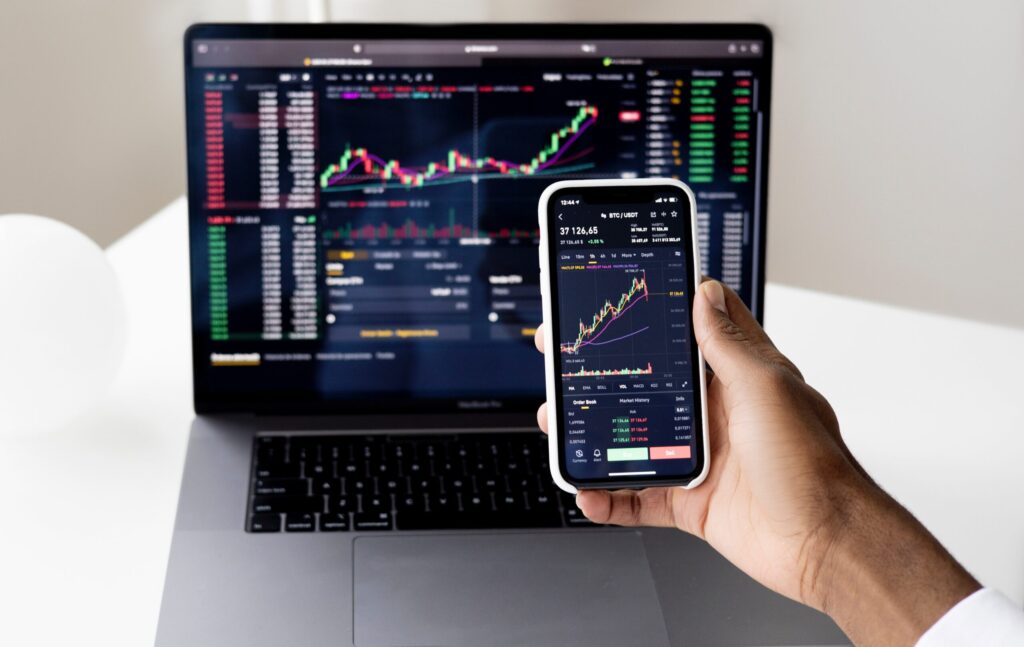
As economic observers hold their breath, the Bank of England stands at a critical crossroads, its response poised to resonate worldwide. After a series of interest rate hikes over the last two years, the Bank faces the prospect of aligning its policies with the potential rate increases by the US Federal Reserve. This juncture underscores the intricate dance of central banks in grappling with inflation and economic stability. The synchronicity between these key institutions amplifies the significance of their decisions, impacting currencies, trade, and investment strategies on a global scale. In an era of interconnected financial systems, the choices made by these central banks extend far beyond their borders.
The Philippine Economic Landscape, Challenges and Prospects Amidst Shifting Tides
As highlighted by recent OECD adjustments, the Philippine economy stands at a crossroads in 2023. A slightly lowered growth projection of 5.6% reflects the intricate interplay of factors, including the impact of high interest rates on pent-up demand. The first quarter’s robust economic expansion was juxtaposed with higher inflation and borrowing costs, resulting from assertive monetary tightening. The role of government spending is expected to drive recovery in the second semester, countering a second-quarter contraction. Meanwhile, influenced by various factors, inflation dynamics add complexity to the economic landscape, necessitating a careful balance between growth and inflation control.
Philippines Faces Hot Money Outflows Amid Global Economic Uncertainty
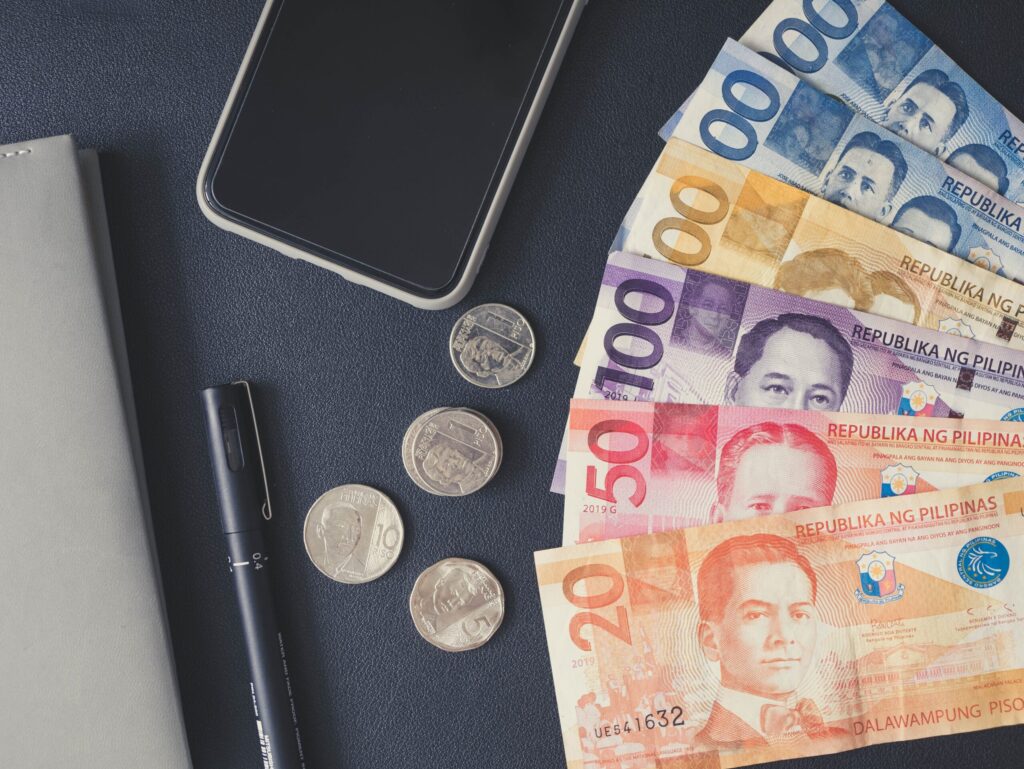
Amidst a backdrop of global economic uncertainty, the Philippines has witnessed a notable outflow of speculative funds, totalling $805 million in the first five months of the year. As hot money investments decrease and concerns over inflation and interest rates persist, international investors reevaluate their positions. Despite these challenges, key sectors such as banking, food and beverage, and property continue to attract investments. With the Bangko Sentral ng Pilipinas (BSP) implementing measures to stabilize the economy and inflation, the country’s economic outlook remains cautiously optimistic.
Germany’s Battle to End the Ongoing Recession and Energy Crisis
Germany once hailed as an economic powerhouse, now finds itself at a crossroads. Business leaders and experts are sounding the alarm as the nation grapples with a weakening economy and the challenges of transitioning to green energy. Soaring inflation, sluggish export markets, and high energy costs loom over Germany’s economic landscape, raising concerns about its future. Amid these difficulties, Chancellor Olaf Scholz envisions a new era of economic growth through the transition to renewable energy. However, skepticism remains as experts question the immediate benefits and exorbitant costs associated with this green revolution. Germany must confront its structural weaknesses, such as bureaucracy and an ageing population while addressing industry concerns and shifting dynamics. The road ahead may be challenging, but Germany’s resilience and adaptability will determine its success in securing a prosperous future.
Kuwait’s Money Supply Shows Modest Increase, Reflecting Stable Economic Outlook
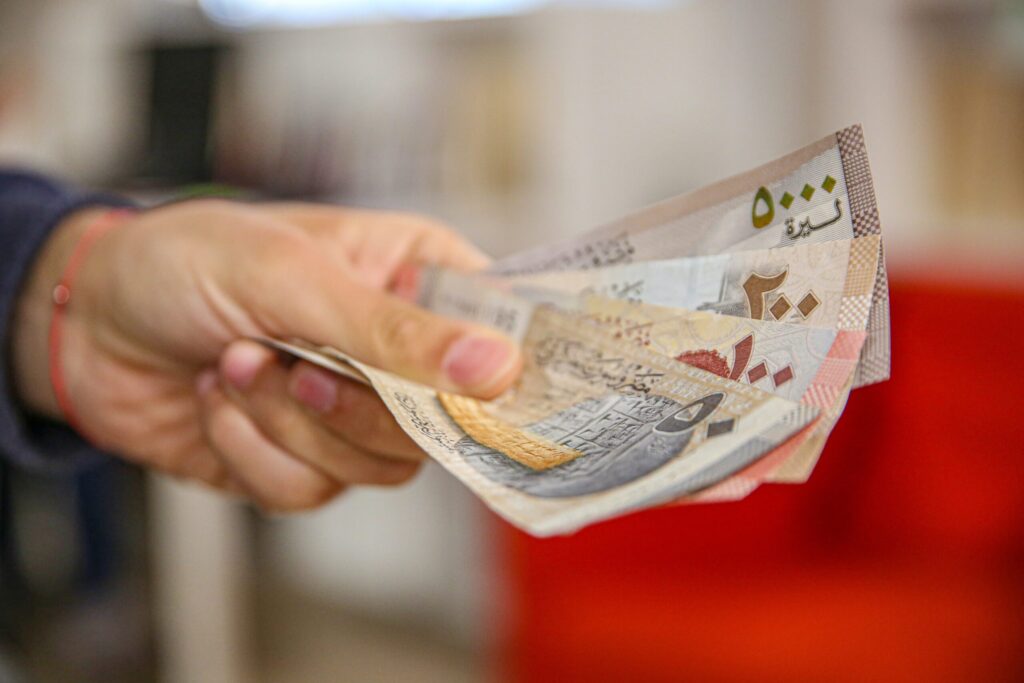
Kuwait’s Central Bank has reported a modest increase in the country’s money supply, highlighting stable economic conditions and positive trends within the financial sector. Despite a decline in foreign currency deposits, the rise in private sector deposits demonstrates growing confidence in Kuwait’s banking system. The central bank’s prudent monetary policies and consistent interest rates contribute to the country’s economic resilience and attractiveness to domestic and international investors. As Kuwait continues strengthening its position as a regional financial hub, these indicators bode well for sustained growth and stability.
US FED Hikes Interest Rate for Tenth Time in a Row
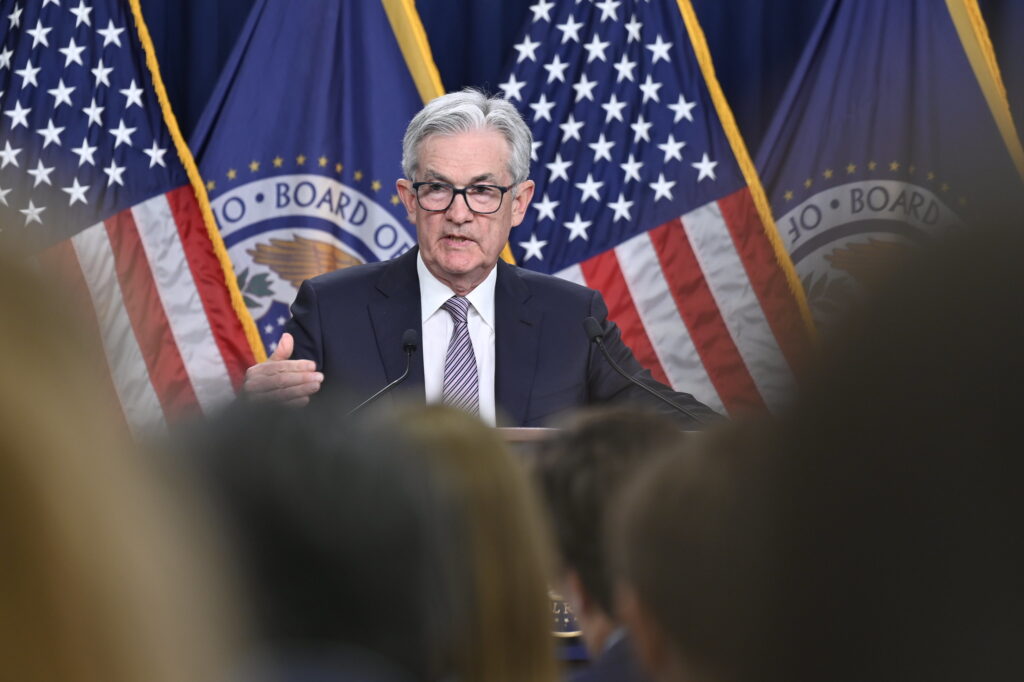
The US Federal Reserve (US FED) has hiked interest rates for the tenth time in a row, bringing the key lending rate to its highest level since 2007. However, the US FED signalled it could pause further rate hikes, as inflation eases and turmoil continues to spread across the American banking sector.
Exclusive: Tencent scraps plans for VR hardware as metaverse bet falters
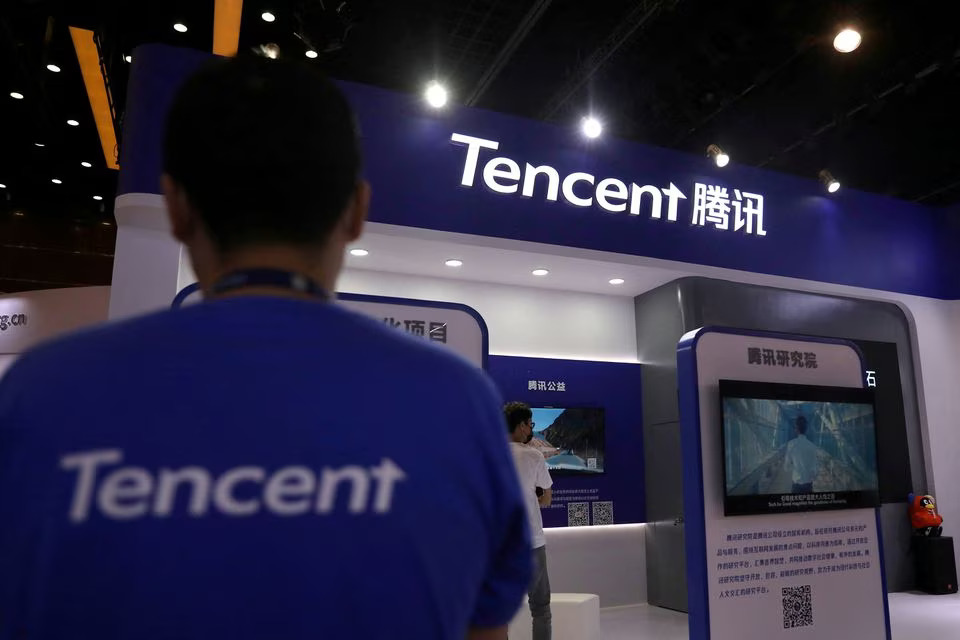
Tencent Holdings is abandoning plans to venture into virtual reality hardware, as a sobering economic outlook prompts the Chinese tech giant to cut costs and headcount at its metaverse unit, three sources familiar with the matter said.