

Morocco’s Ambitious Recovery Plan: Rebuilding After the Earthquake
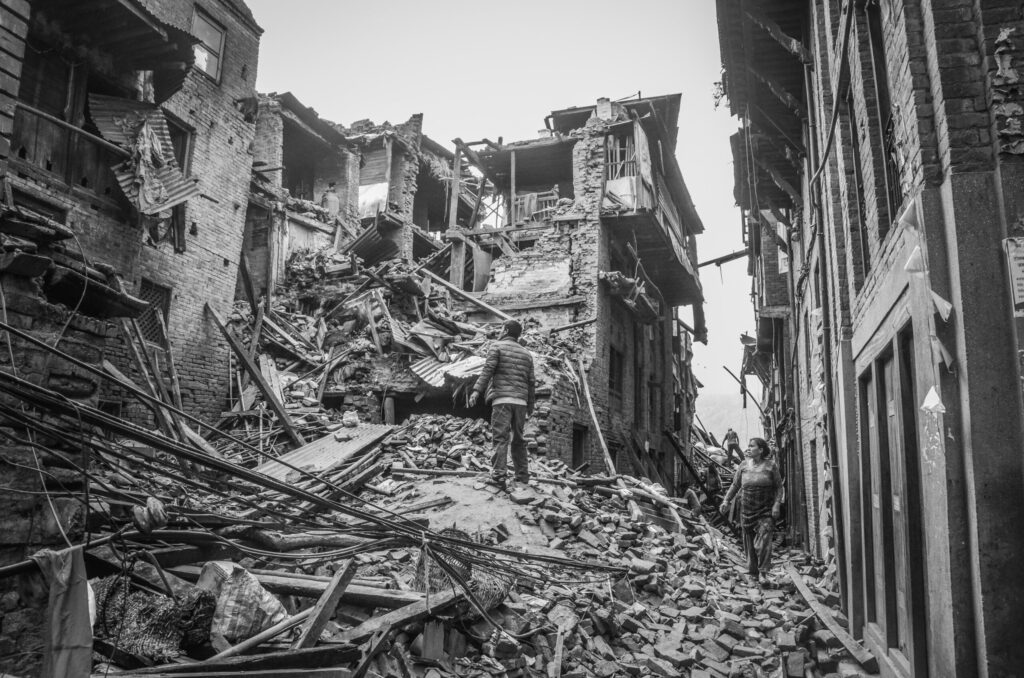
Morocco’s commitment to invest $11.7 billion in earthquake recovery and development over the next five years is a testament to its determination to rebuild after the devastating earthquake that struck in early September. The earthquake, the strongest in Morocco in 120 years, exposed vulnerabilities in several regions, leaving thousands without shelter and underscoring inequalities. This ambitious recovery plan, supported by both government funding and international aid, aims to not only reconstruct infrastructure but also reduce social disparities and enhance access to basic services in affected areas. The annual cost of this plan, around $2.3 billion, is a relatively small fraction of the country’s GDP, signaling Morocco’s dedication to economic growth and development. As the nation embarks on this journey to rebuild, global solidarity and support will be instrumental in achieving a more resilient and prosperous future for the affected communities.
Morocco Prepares to Host World Bank-IMF Meetings Amidst Earthquake Aftermath
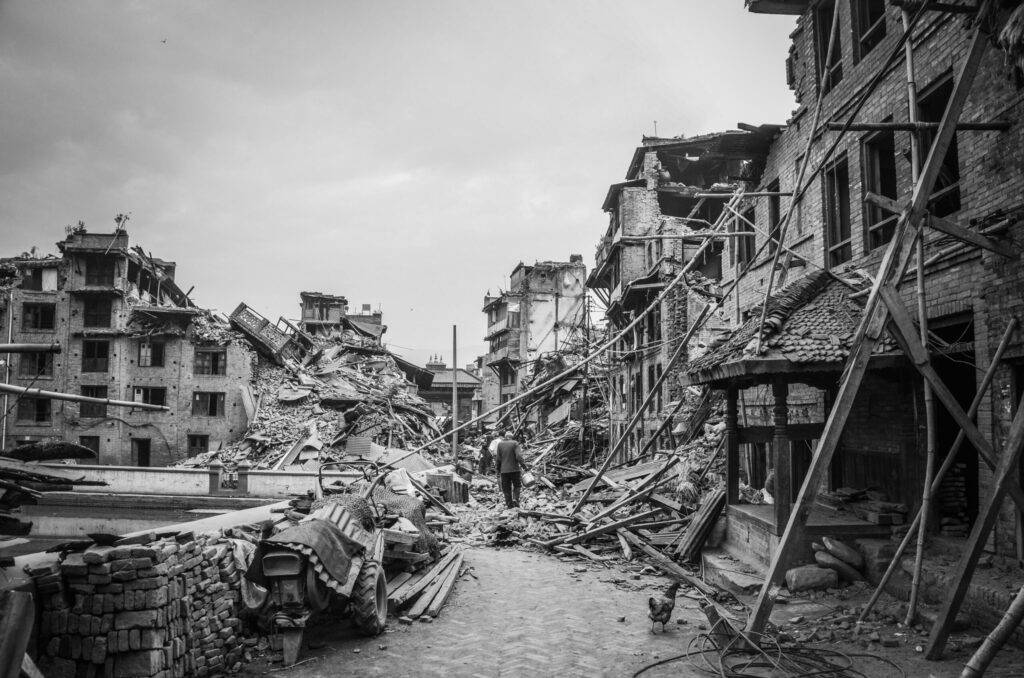
Morocco’s unwavering commitment to hosting the World Bank-IMF meetings in the wake of a devastating earthquake demonstrates remarkable resilience and dedication. With over 12,000 participants expected to attend, the country has spared no effort in preparing a world-class venue spanning 50 hectares. The earthquake’s impact assessment is underway to ensure that affected areas are rebuilt in a resilient and sustainable manner. Despite the tragic event, Moroccan officials emphasize that the designated venue remains untouched and fully operational. Marrakesh, the host city, is ready to showcase its achievements and reforms to a global audience, providing a vital platform for African nations to advocate for their long-term growth.
Trouble befalls Japanese manufacturing workers following earthquake in February and ongoing Covid worries
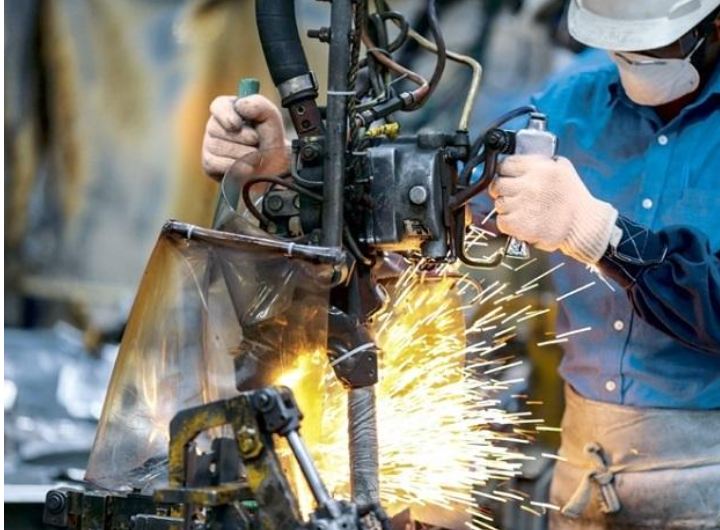
The manufacturing sector in Japan is experiencing significant fall in semiconductor/chips output and affecting the automobile and electrical machinery production since the Fukushima-ken Oki earthquake (7.1-7.3 magnitude) off the East coast of Japan adding to ongoing Covid worries.