India-Middle East-Europe Economic Corridor; A Pathway to Global Connectivity
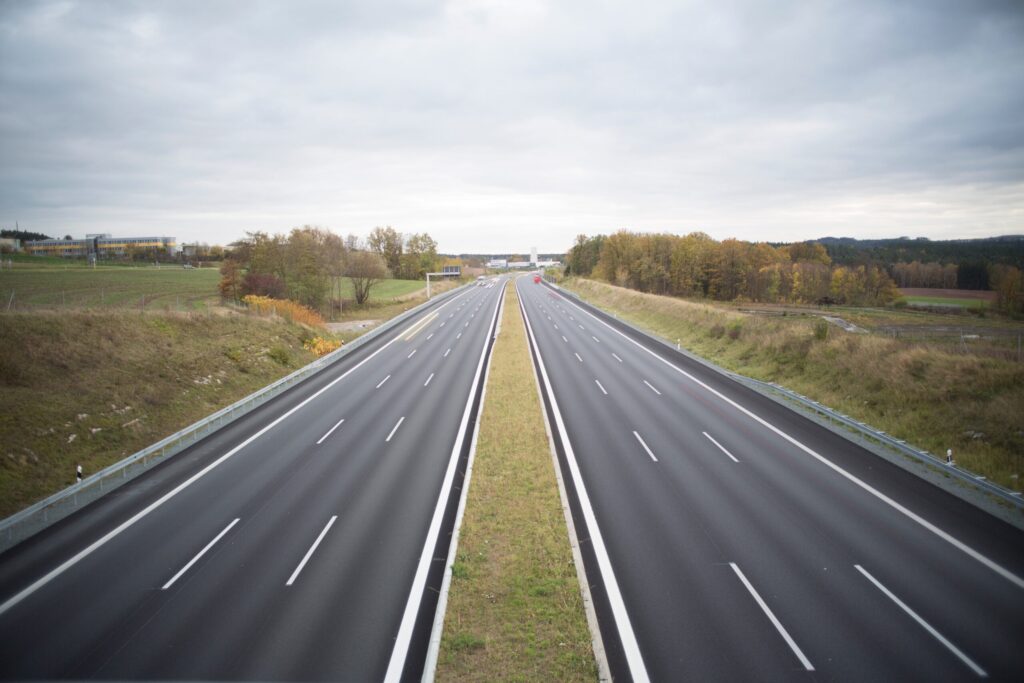
The India-Middle East-Europe Economic Corridor, an initiative arising from India’s G20 presidency, is gaining momentum with international support. This corridor promises robust infrastructure investments, economic integration, and enhanced connectivity across Asia, West Asia, the Middle East, and Europe. It consists of two key corridors, emphasizing cross-border rail transit networks to boost trade and services. Additionally, the India-US Initiative on Critical and Emerging Technology (iCET) aims to strengthen technology partnerships and resilience in supply chains. These developments underscore India’s active role in global diplomacy and economic growth.
Thailand’s New Prime Minister Pledges Swift Action on Economic Challenges
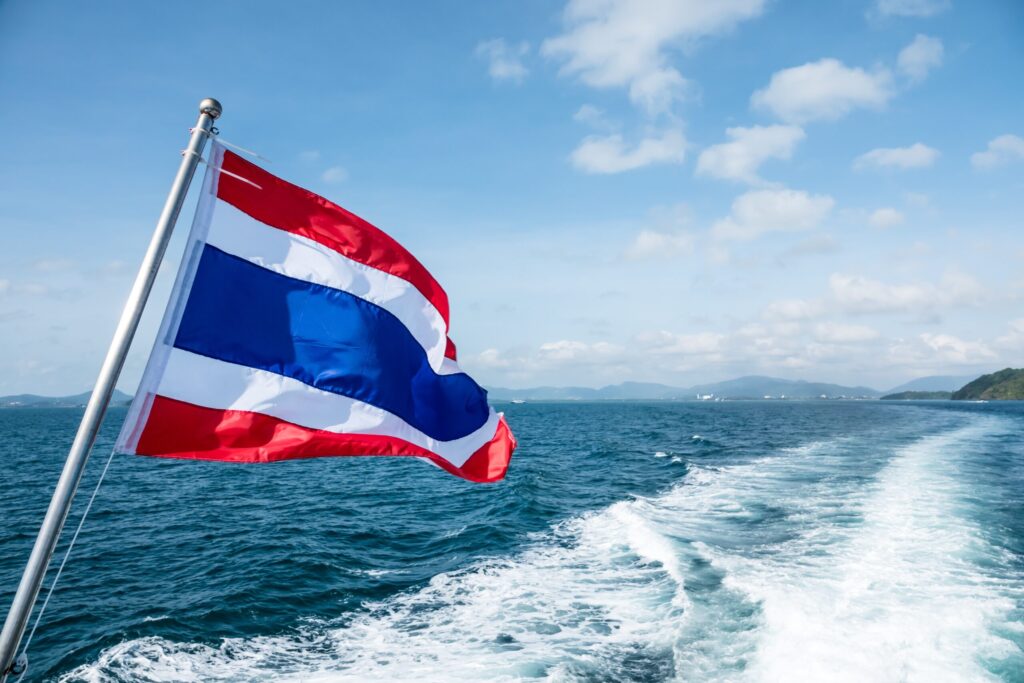
In his inaugural address to Parliament, Thailand’s new Prime Minister, Srettha Thavisin, has set a proactive agenda for addressing the nation’s economic woes. With the pandemic’s impact on the vital tourism industry and rising debt levels, he emphasized the urgency of these measures. Of particular note is the proposed 10,000-baht ($280) handout to stimulate short-term spending, though its long-term effectiveness remains a subject of debate. The government also outlined ambitious long-term goals, including bolstering international trade, supporting start-ups, and enhancing agricultural production, signaling a comprehensive approach to economic revitalization. Additionally, plans for political reforms, particularly involving the military’s role, were diplomatically addressed to ensure transparency and cooperation.