

Exclusive: Binance served crypto traders in Iran despite U.S. sanctions, clients say

The world’s largest crypto exchange, Binance, continued to process trades by clients in Iran despite U.S. sanctions and a company ban on doing business there, a Reuters investigation has found.
Here’s how governments can reduce the impacts of Asia’s devastating flash floods
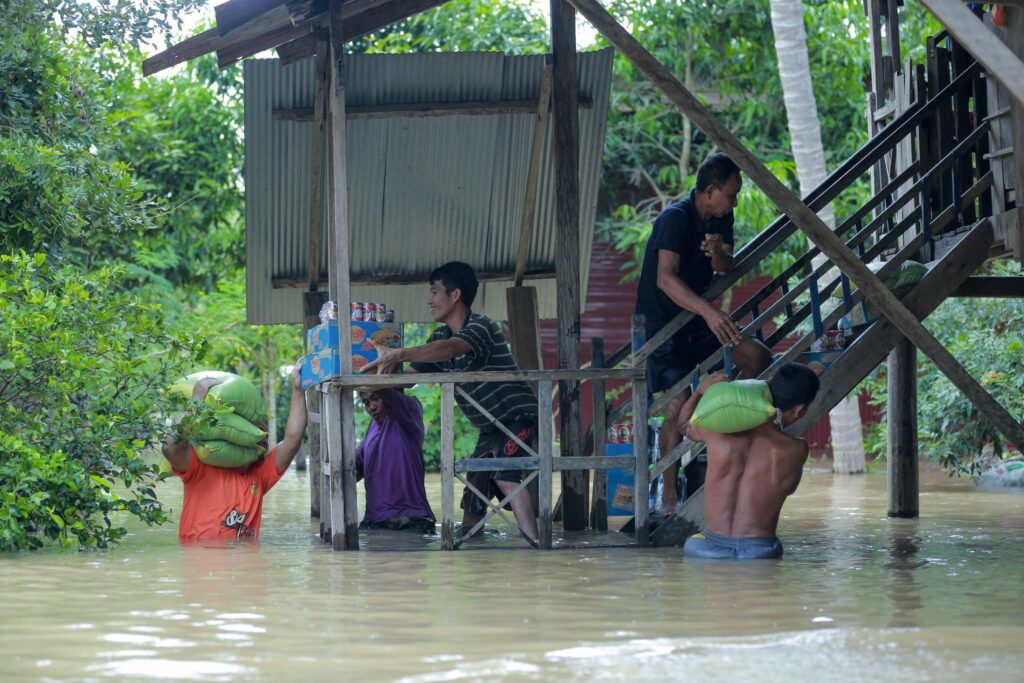
Flash floods have increased and become more unpredictable, and their toll on lives and livelihoods is growing as well. There is much we still don’t know about how to manage floods, but there are key policy actions we can take now.
When we evaluate development projects, we must ask: What lessons have we learned?

As children, we all remember being told: “‘I hope you’ve learned your lesson”, which had a kind of negative connotation. In my line of work, however, which assesses development activities from the point of view of doing the right things in the right way with the right resources for lasting benefits for people – we learn lessons every day to make better decisions for improving quality of lives.
How can water utilities in the Pacific use the pandemic to become more resilient?

By Vivian Castro-Wooldridge Protecting and managing the water supply, even in the face of threats and challenges, is a key responsibility for utility companies and governments across the Pacific region. For many people in the Pacific, COVID-19 presents yet another challenge in a region familiar with natural hazards and the accompanying disruptions to everyday life. […]
Pitfalls of average inflation targeting when agents have imperfect knowledge

Recent challenges have generated interest in new monetary policy frameworks, including average inflation targeting. The Federal Reserve adopted this policy in 2020, but they have not communicated many details about the policy itself. This column argues that an opaque average inflation targeting policy can de-anchor inflation expectations from the target equilibrium – even if expectations are initially well-anchored. Policymakers should be cautious when implementing average inflation targeting.
The antitrust orthodoxy is blind to real data harms

Cristina Caffarra, Gregory Crawford and Johnny Ryan make the case that (lack of) privacy is an (often unobservable) price of using digital platforms, and that (lack of) privacy facilitates mainstream antitrust harms such as exploitation and foreclosure by dominant digital platforms.
Time to decarbonize transport for a green, resilient and inclusive recovery

At a time when we face enormous challenges brought on by the COVID-19 pandemic, it is heartening to see the world mobilizing as never before to tackle the looming crisis of global warming.
For state-owned power utility companies in the Pacific, it’s time to cut the cord
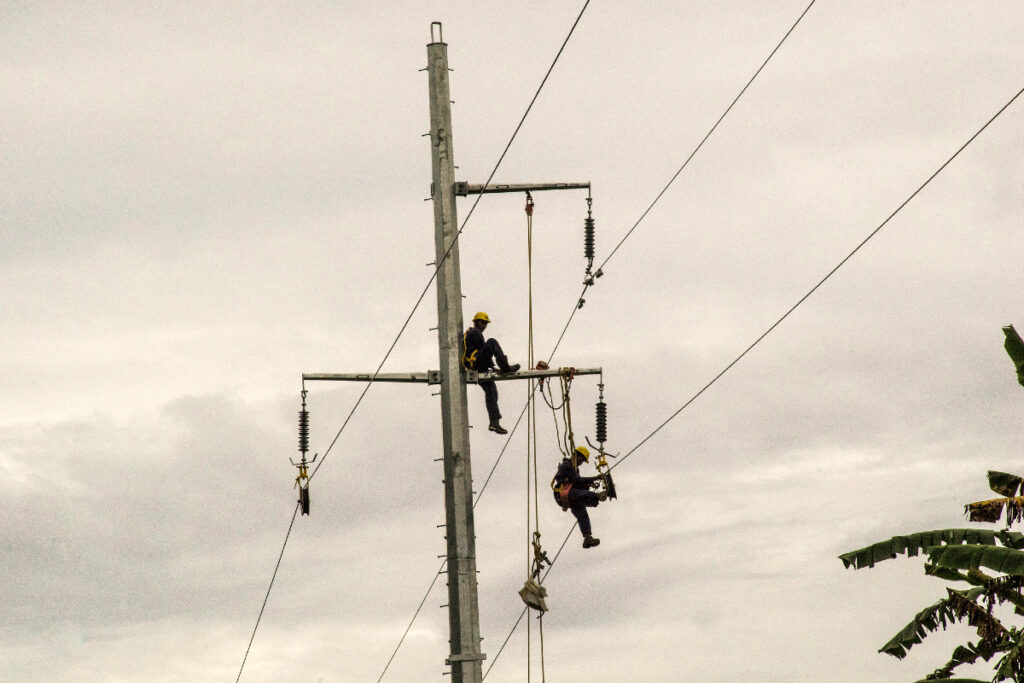
State-owned power companies in the Pacific are increasingly becoming a fiscal risk in part due to their outdated management practices. Reforms are needed to allow them to prosper and perform into the future.
Global liquidity and bull run in Domestic Equity Market Trigger Firms Raise over Crores
As the volume of cross-border transactions is growing at an astounding rate in the last decade, it has been accompanied by a number of qualitative changes.
Three steps to stop the health crisis turning into the biggest emerging market debt crisis

The servicing and rolling over of the public and private debt of middle-income countries is a major point of COVID-19-induced stress in the global economy.