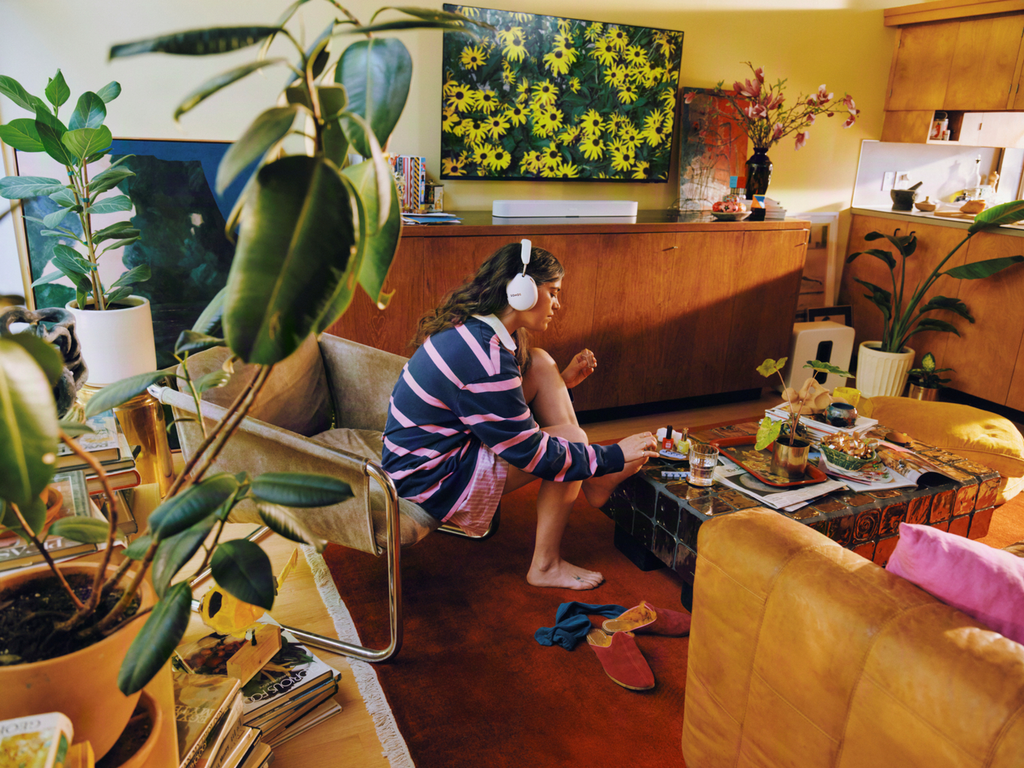

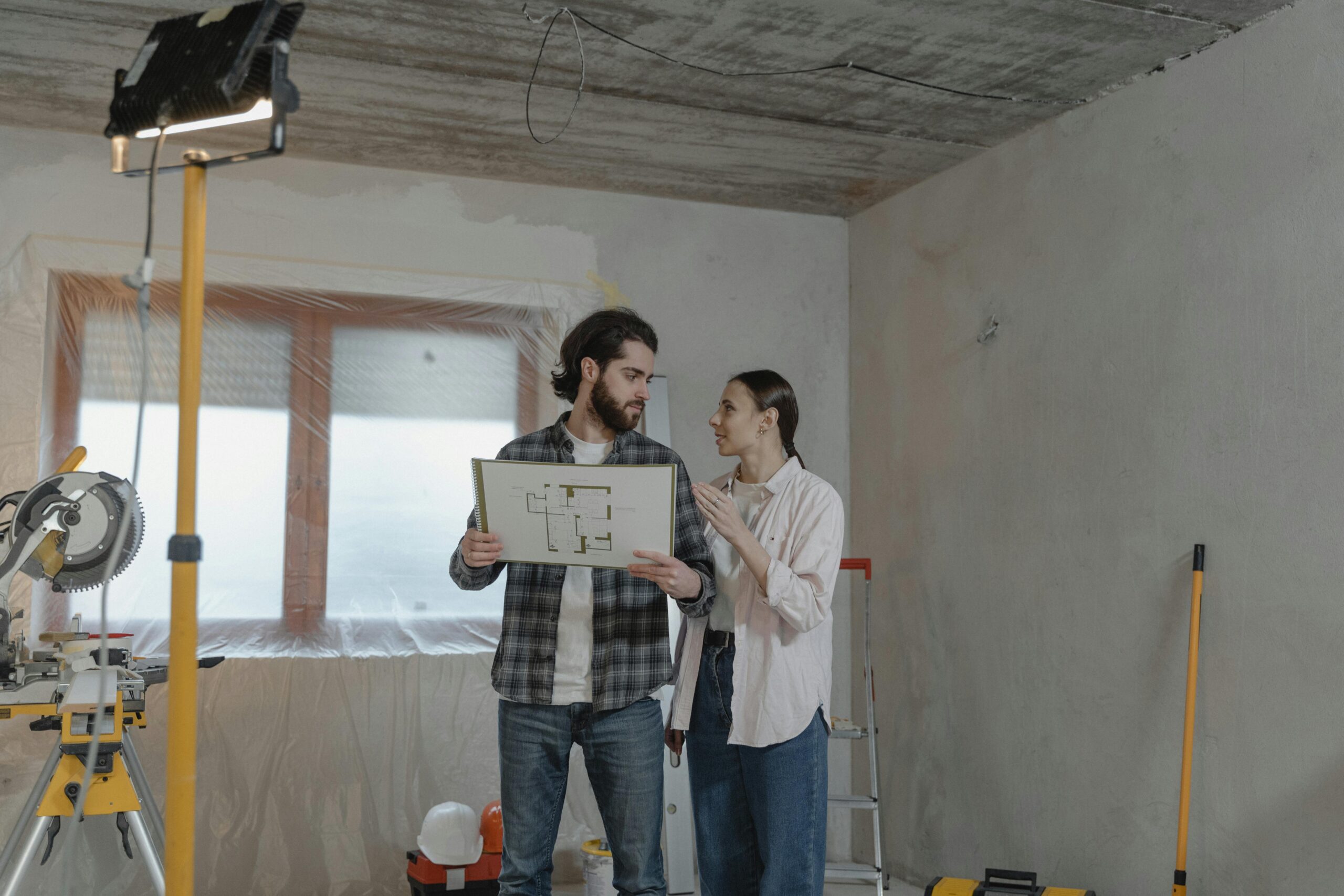

Suburban living doesn’t look quite the way it used to. Today, homeowners want more from the spaces they already have. A house isn’t just where you sleep and store your stuff anymore. It’s where you work, host, relax, exercise, and try to make everyday life run more smoothly. That shift has changed how people think about their homes, and it’s one of the biggest reasons remodeling has become such a major focus in suburban communities.
Instead of packing up and moving, many homeowners are choosing to improve what they already own. The remodeling market remains active, with the NAHB’s Remodeling Market Index still in positive territory at 62 in the first quarter of 2026, which suggests ongoing demand for renovation work even in a more cautious economy. That demand has created real momentum for the home remodel franchise model, which brings more structure, consistency, and professionalism to a space that homeowners have often found stressful to navigate.
Why suburban homeowners are remodeling instead of moving
For a lot of people, moving simply doesn’t feel like the smartest option anymore.
Some homeowners are staying put because buying a new home can be far more expensive than upgrading the one they already have. Others genuinely like their neighborhood, their school district, or the memories attached to their home. They just want the space to function better for the way they live now. A few of the biggest drivers include:
- Higher costs tied to buying another home
- A stronger emotional attachment to existing homes
- The need for updated kitchens, bathrooms, and shared spaces
- More demand for home offices and flexible-use rooms
- A growing interest in comfort, efficiency, and long-term value
That combination has made remodeling feel less like a luxury project and more like a practical investment.
What a home remodel franchise actually does
At a simple level, a home remodel franchise is a service-based business that helps homeowners update, improve, or rework parts of their property. That can include everything from exterior improvements to interior redesigns, depending on the franchise model.
What sets a franchise-backed operation apart from an independent contractor often comes down to consistency. Homeowners usually want reassurance that the process will be organized, the communication will be clear, and the quality will be dependable. That’s part of why structured remodeling businesses have become more appealing in suburban markets.
The biggest ways suburban homes are being transformed
Exterior upgrades are doing more than improving curb appeal
For many suburban homeowners, the outside of the home matters just as much as the inside. Projects like new windows, updated doors, siding improvements, and refreshed trim can make a home look newer, feel more secure, and operate more efficiently.
The National Association of Realtors’ 2025 Remodeling Impact Report found that several exterior-focused projects scored strongly with homeowners for satisfaction and perceived value. That matters in neighborhoods where appearance plays a big role in overall community appeal.
Kitchens and bathrooms are still top priorities
It’s not hard to see why these spaces get so much attention.
Kitchens have become gathering points, work zones, and family hubs all at once. Bathrooms have moved beyond basic function, too, with homeowners wanting more comfort, storage, and updated finishes. Common goals include:
- Better flow
- More storage
- Easier cleaning
- Improved lighting
- A more modern look without a full rebuild
These aren’t always dramatic, luxury-level renovations. Often, they’re practical upgrades designed to make daily life easier.
Indoor-outdoor living is becoming a bigger priority
Suburban homeowners are increasingly thinking about the full footprint of the property, not just the enclosed square footage. Patios, decks, enclosed sunrooms, and upgraded backyard spaces are becoming more popular because they create room to gather, unwind, and entertain without the cost of adding a full interior extension.
That kind of lifestyle-focused thinking has become a major part of modern remodeling.
Energy efficiency is no longer just a bonus
Homeowners are paying more attention to how their homes perform. That includes things like:
- Window upgrades
- Improved insulation
- Better doors
- Smarter lighting
- Connected home features
These improvements can support comfort and lower ongoing costs, but they also fit with a broader shift toward more efficient homes. The demand for practical performance, not just visual upgrades, continues to shape renovation choices.
How franchises are changing the remodeling experience
One reason homeowners often hesitate before starting a remodeling project is simple: they expect it to be stressful. And honestly, that concern doesn’t come out of nowhere.
Delays, unclear pricing, inconsistent workmanship, and communication breakdowns have all shaped how people think about home improvement. That’s where franchise-backed service providers can change the experience. They often bring:
- More standardized processes
- Clearer project communication
- Trained teams
- More reliable workflows
- Customer support backed by a larger brand
- Warranty structures that build trust
For homeowners, that can mean less guesswork. For suburban communities, it can mean a better overall standard of service.
The ripple effect on suburban communities
When remodeling becomes more common, the impact goes beyond one property.
Updated homes can lift neighborhood appearance, improve livability, and support property values over time. Remodeling activity also creates local jobs and supports nearby service ecosystems tied to installation, supply, logistics, and project coordination.
The remodeling market’s positive sentiment suggests this isn’t a niche trend, but a meaningful part of how housing is evolving. In other words, home improvement isn’t just changing individual houses. It’s quietly reshaping the feel and function of suburban communities.
What homeowners should think about before starting a remodel
Before jumping into any project, it helps to slow down and get clear on a few basics.
Start with priorities
Not every project has to happen at once. Focus on what will improve function, comfort, or efficiency first.
Set a realistic budget
Build in room for adjustments, not just your ideal number.
Be honest about timing
Even well-run projects require planning, coordination, and flexibility.
Understand local requirements
Permits, approvals, and code compliance can vary depending on the type of remodel.
Choose the right service partner
A structured, experienced provider can make the process feel far more manageable than trying to piece everything together on your own.
What’s next for suburban remodeling
Looking ahead, a few trends are likely to keep shaping the market:
- Smart home integration
- Eco-conscious materials
- Aging-in-place upgrades
- Multi-functional rooms
- Design choices that balance comfort and efficiency
These trends all point to the same bigger idea: homeowners want spaces that adapt to real life, not just spaces that look nice in photos.
Homes are changing because people are changing, too
The way families work, gather, rest, and plan for the future has evolved, and remodeling has become one of the clearest ways homeowners are responding. That’s why the home remodel franchise model continues to matter. It gives homeowners access to a more structured, reliable path for improving the spaces they already value.
And in many suburban communities, that shift is doing more than upgrading kitchens or replacing windows. It’s helping reshape how people live at home for the long run.