

FREELANDER enters a new global chapter, blending British heritage with intelligent mobility, advanced connectivity, and next generation SUV technology for modern explorers
DUBAI, UNITED ARAB EMIRATES, FREELANDER is entering a new era of automotive evolution, redefining itself as a premium intelligent mobility brand built for a world where transportation is no longer just about movement, but about experience, technology, and lifestyle integration. The brand is positioning itself at the intersection of heritage and innovation, combining its British legacy with advanced digital ecosystems and globally connected vehicle platforms.
The original FREELANDER, introduced in 1997, played a defining role in shaping the modern compact SUV segment. It brought together comfort, versatility, and off road capability in a way that appealed to both urban drivers and adventure focused users. Between 1997 and 2002, it became Europe’s best selling SUV for five consecutive years, earning a reputation for practicality blended with exploration ready design.
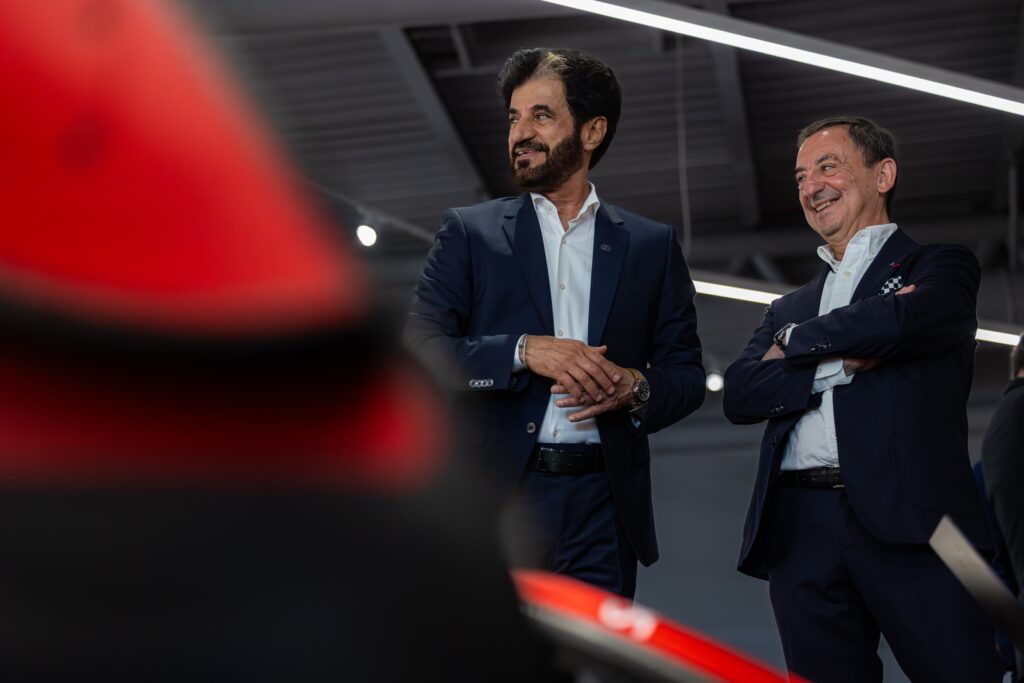
Nearly three decades later, FREELANDER is being reimagined for a completely different automotive landscape. Unveiled at the Night of FREELANDER during the IBS Chery International Business Summit, the brand is now developed through a collaboration between Jaguar Land Rover and Chery. The new vision focuses on intelligent mobility systems, digital connectivity, and adaptive driving experiences designed for global consumers.
The company states that the transformation reflects a wider shift in the automotive industry, where vehicles are expected to function as intelligent companions rather than simple machines. Modern drivers are increasingly looking for seamless digital integration, comfort driven interiors, and vehicles capable of performing across both urban environments and off road terrain.
FREELANDER’s strategy is built on three core principles, British craftsmanship, smart confidence, and all terrain freedom. These principles guide both design and engineering as the brand prepares to launch a new generation of vehicles aimed at international markets.
Over the next five years, FREELANDER plans to introduce six new SUV models and expand its presence to more than ninety countries. The brand is also building a global network of over one thousand one hundred touchpoints, ensuring accessibility and support across major automotive markets. Its architecture supports left hand drive, right hand drive, and European specifications, allowing flexibility for global expansion.
The Middle East has been identified as the first key international market for FREELANDER’s new phase. The region’s growing demand for luxury SUVs and advanced mobility solutions makes it a strategic launchpad for the brand’s next generation portfolio.
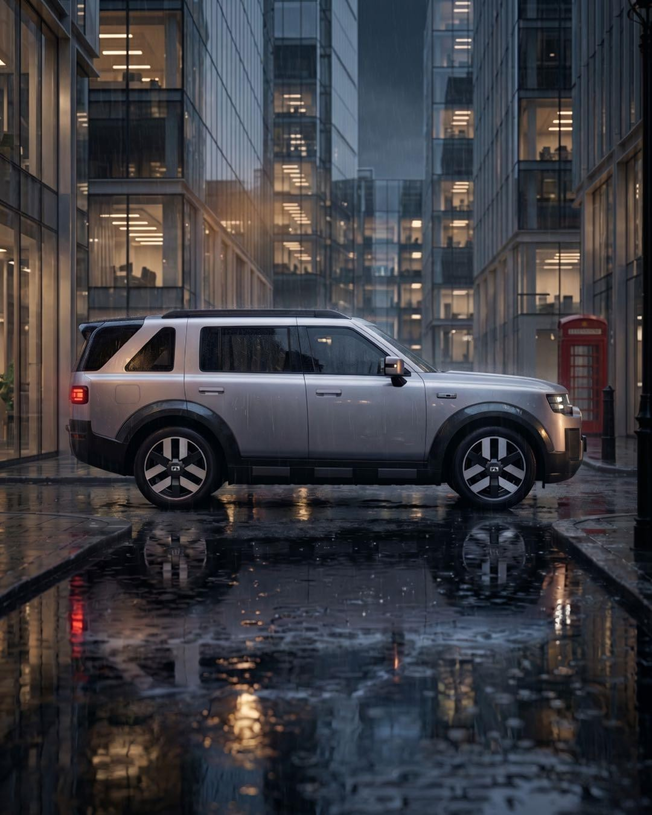
At the center of its product evolution is the FREELANDER 8, which showcases the brand’s shift toward intelligent mobility. The vehicle features panoramic digital displays, immersive cockpit systems, and advanced second row zero gravity seating designed for enhanced passenger comfort. It is powered by the Qualcomm Snapdragon 8295 chipset, enabling high performance computing and multi screen integration across up to eight digital displays.
The vehicle also integrates advanced driver assistance systems, including L2 plus capabilities and automated parking features in selected markets. These systems are designed to enhance convenience, safety, and user interaction, aligning with the brand’s focus on intelligent driving experiences.
Off road capability remains central to FREELANDER’s identity. The i ATS intelligent all terrain system offers up to nine driving modes, including snow, mud, sand, rock, water crossing, comfort, sport, economy, and expert settings. Additional features such as dual chamber air suspension, intelligent terrain management, and electronic differential systems enhance performance across diverse environments.
Beyond vehicles, FREELANDER is also exploring broader mobility ecosystems, including artificial intelligence driven innovations such as the AiMOGA robotics initiative introduced at IBS. This reflects the brand’s vision of integrating technology, mobility, and human interaction in future transportation systems.
The company operates through five global hubs supported by more than six thousand employees across design, research, manufacturing, and international operations. It also maintains seventeen international subsidiaries and eleven research institutes worldwide, reinforcing its global development footprint.
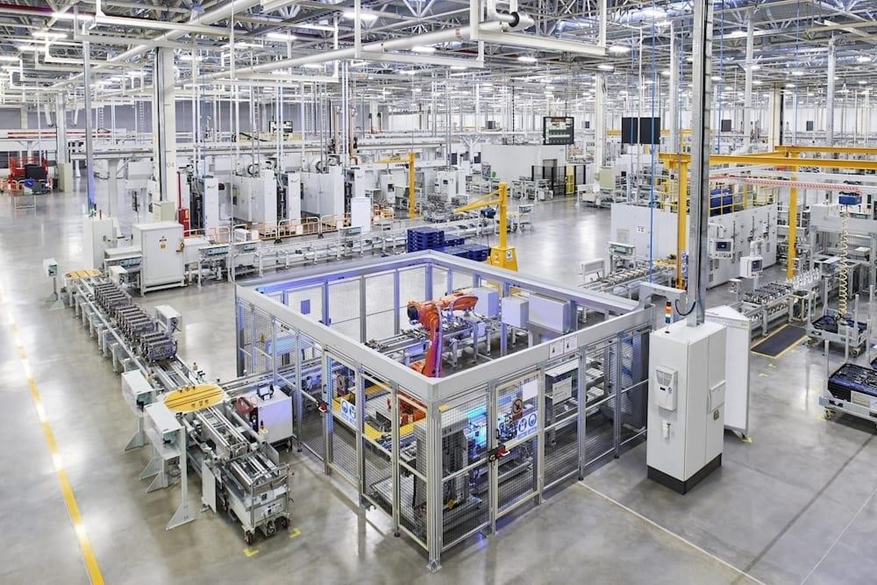
All FREELANDER vehicles are produced at the Chery Jaguar Land Rover Intelligent Manufacturing Base, a highly automated facility incorporating more than one thousand one hundred robotic systems across production lines. The plant integrates stamping, welding, painting, and final assembly with advanced automation and quality control systems to ensure precision and consistency. Sustainability and intelligent manufacturing remain key priorities. The company emphasizes green production processes and advanced robotics as part of its long term strategy for responsible industrial growth.
As FREELANDER enters this new chapter, it is positioning itself not just as an automotive brand but as a global mobility ecosystem. Its transformation reflects a broader shift in how people perceive travel, blending connectivity, intelligence, comfort, and exploration into a unified driving experience. Nearly thirty years after its original launch, FREELANDER is once again redefining what it means to move freely in a connected world.