Finance

Lockdown accounting

Many countries have implemented social distancing and lockdown policies to tame the spread of Covid-19. This column discusses the potential GDP and employment effects of lockdown policies for a broad cross-section of countries ranging in income per capita from Niger to Luxembourg. It shows that the employment and GDP effects of lockdown policies are U-shaped in income per capita. While workers in rich countries have a substantially higher ability to work from home, which mitigates declines in employment and GDP, poor countries concentrate employment and value-added in essential sectors that are not shut down. Middle-income countries see the largest declines as they feature relatively large employment shares in non-essential sectors and relatively low work from home ability.


Foreign currency corporate borrowing: Risks and policy responses

Emerging market economies increasingly rely on foreign currency debt, leaving borrowing firms exposed to sudden stops and currency depreciations. This column examines the dynamics of corporate foreign currency borrowing in India using new firm-level data. It finds that interest rate differentials are a strong predictor of foreign currency debt issuance, particularly after the Global Crisis. After the ‘taper tantrum’ of 2013, the Reserve Bank of India introduced new macroprudential policies that were effective at mitigating the riskiest borrowing and reducing the vulnerability of Indian firms.

Lockdown accounting

Many countries have implemented social distancing and lockdown policies to tame the spread of Covid-19. This column discusses the potential GDP and employment effects of lockdown policies for a broad cross-section of countries ranging in income per capita from Niger to Luxembourg. It shows that the employment and GDP effects of lockdown policies are U-shaped in income per capita. While workers in rich countries have a substantially higher ability to work from home, which mitigates declines in employment and GDP, poor countries concentrate employment and value-added in essential sectors that are not shut down. Middle-income countries see the largest declines as they feature relatively large employment shares in non-essential sectors and relatively low work from home ability.
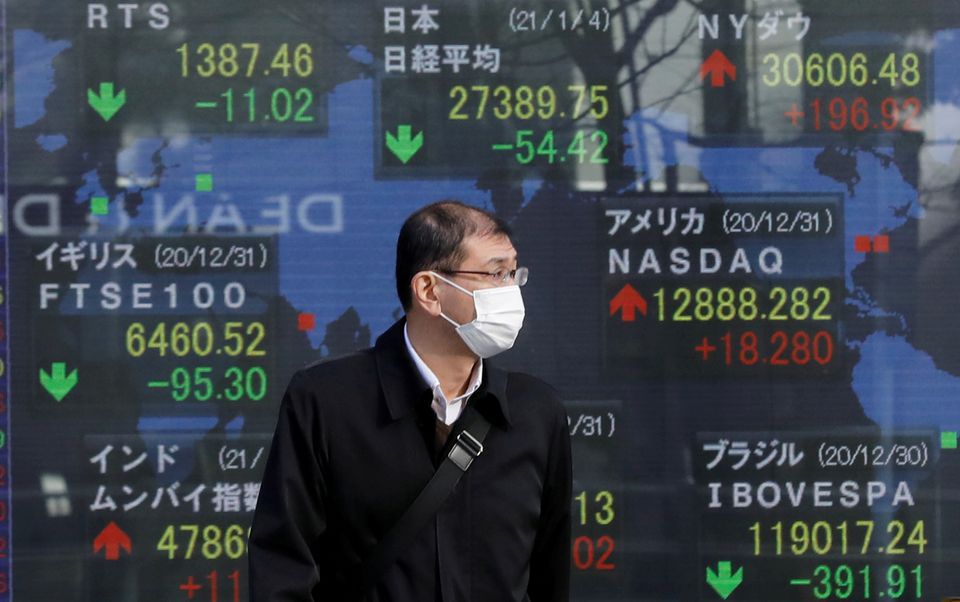
Foreign currency corporate borrowing: Risks and policy responses

Emerging market economies increasingly rely on foreign currency debt, leaving borrowing firms exposed to sudden stops and currency depreciations. This column examines the dynamics of corporate foreign currency borrowing in India using new firm-level data. It finds that interest rate differentials are a strong predictor of foreign currency debt issuance, particularly after the Global Crisis. After the ‘taper tantrum’ of 2013, the Reserve Bank of India introduced new macroprudential policies that were effective at mitigating the riskiest borrowing and reducing the vulnerability of Indian firms.

Categories