
Warren Buffett touts U.S. economy’s unexpected strength as Berkshire rebounds
Warren Buffett said on Saturday that Berkshire Hathaway Inc (BRKa.N) is being


Warren Buffett said on Saturday that Berkshire Hathaway Inc (BRKa.N) is being
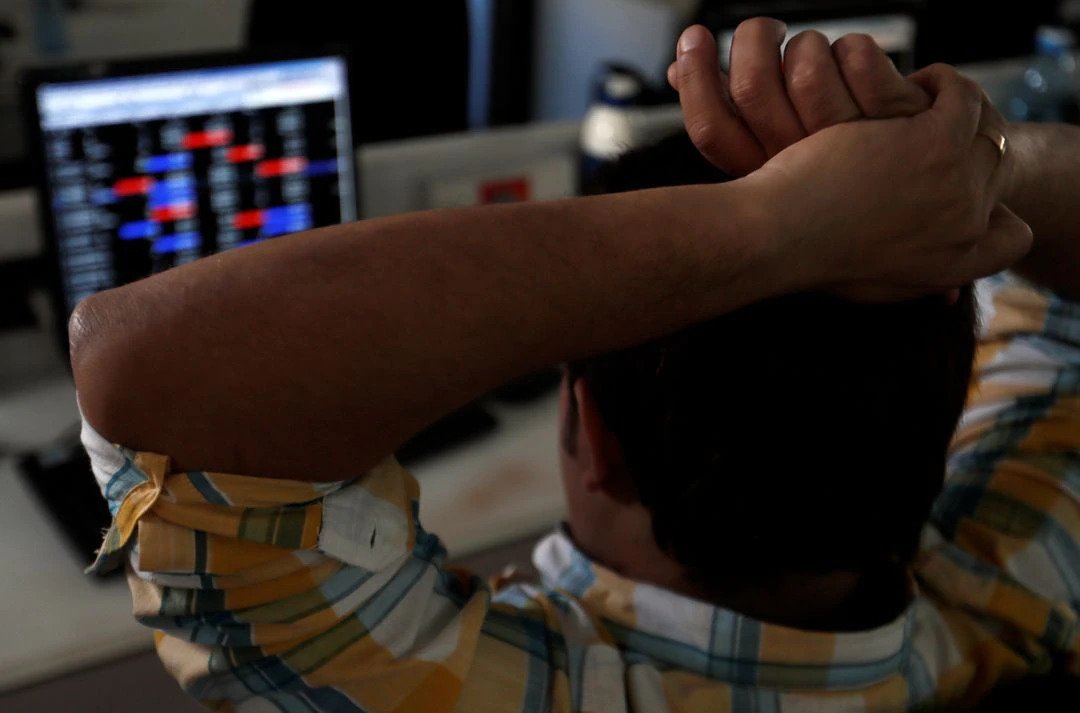
Indian shares stepped back on Friday after four straight sessions

Many countries have implemented social distancing and lockdown policies to tame the spread of Covid-19. This column discusses the potential GDP and employment effects of lockdown policies for a broad cross-section of countries ranging in income per capita from Niger to Luxembourg. It shows that the employment and GDP effects of lockdown policies are U-shaped in income per capita. While workers in rich countries have a substantially higher ability to work from home, which mitigates declines in employment and GDP, poor countries concentrate employment and value-added in essential sectors that are not shut down. Middle-income countries see the largest declines as they feature relatively large employment shares in non-essential sectors and relatively low work from home ability.
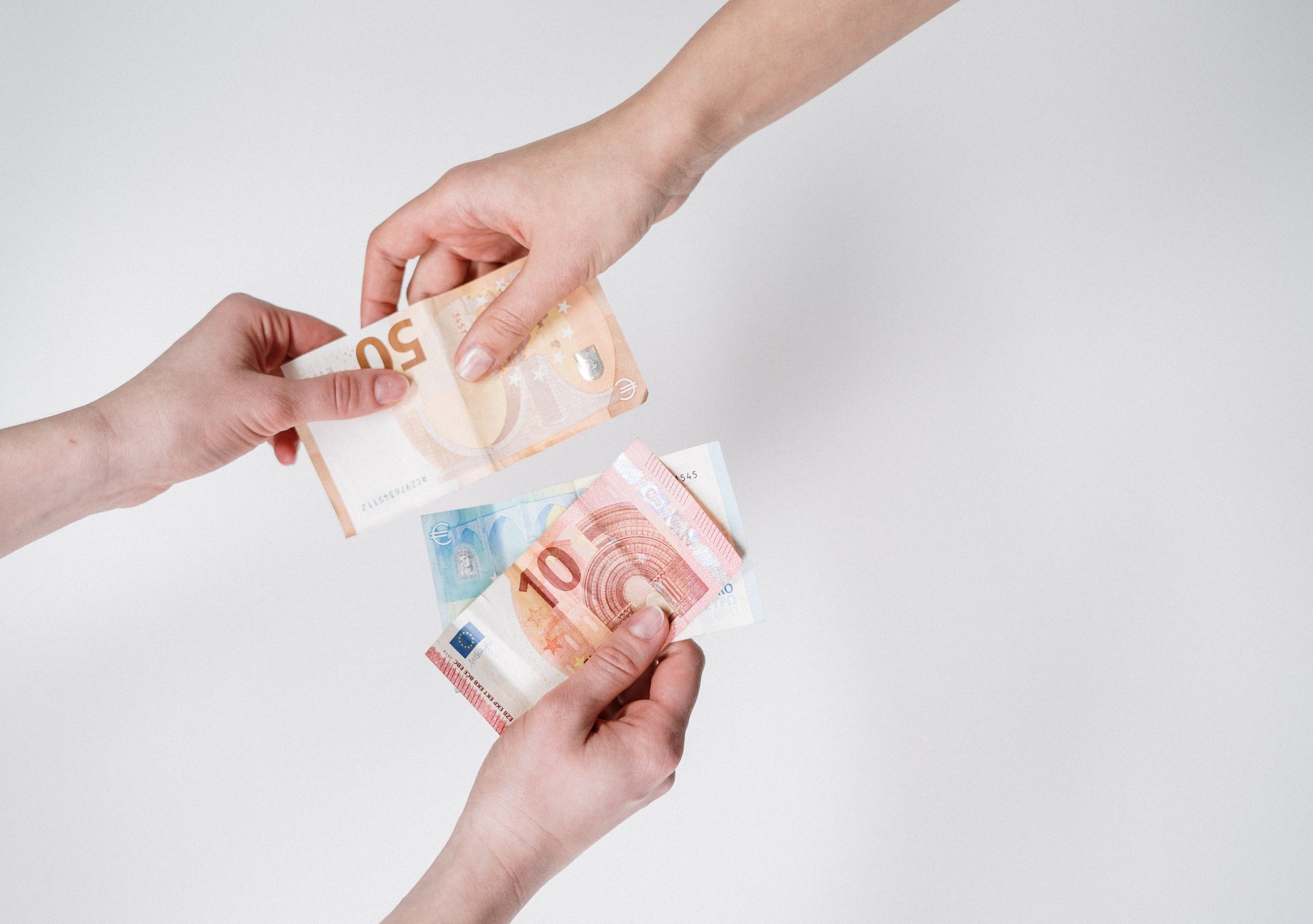
Emerging market economies increasingly rely on foreign currency debt, leaving borrowing firms exposed to sudden stops and currency depreciations. This column examines the dynamics of corporate foreign currency borrowing in India using new firm-level data. It finds that interest rate differentials are a strong predictor of foreign currency debt issuance, particularly after the Global Crisis. After the ‘taper tantrum’ of 2013, the Reserve Bank of India introduced new macroprudential policies that were effective at mitigating the riskiest borrowing and reducing the vulnerability of Indian firms.
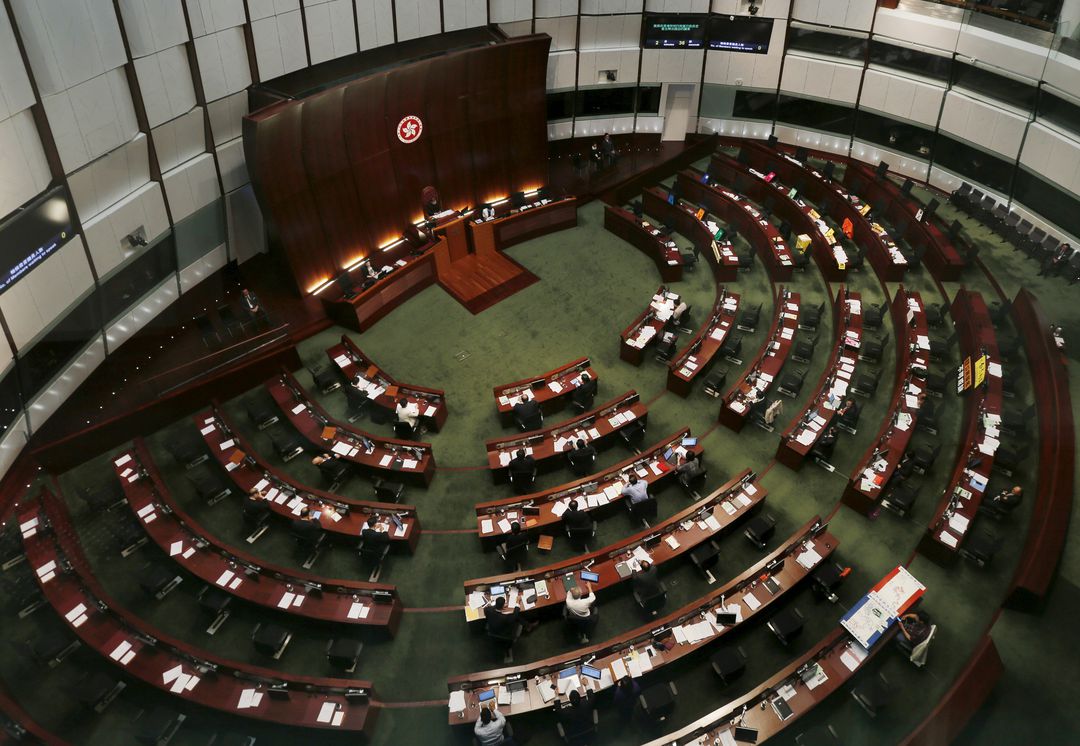
Hong Kong’s legislature passed on Wednesday a controversial immigration bill,

After a year of declining sales, Starbucks Corp (SBUX.O) on Tuesday is
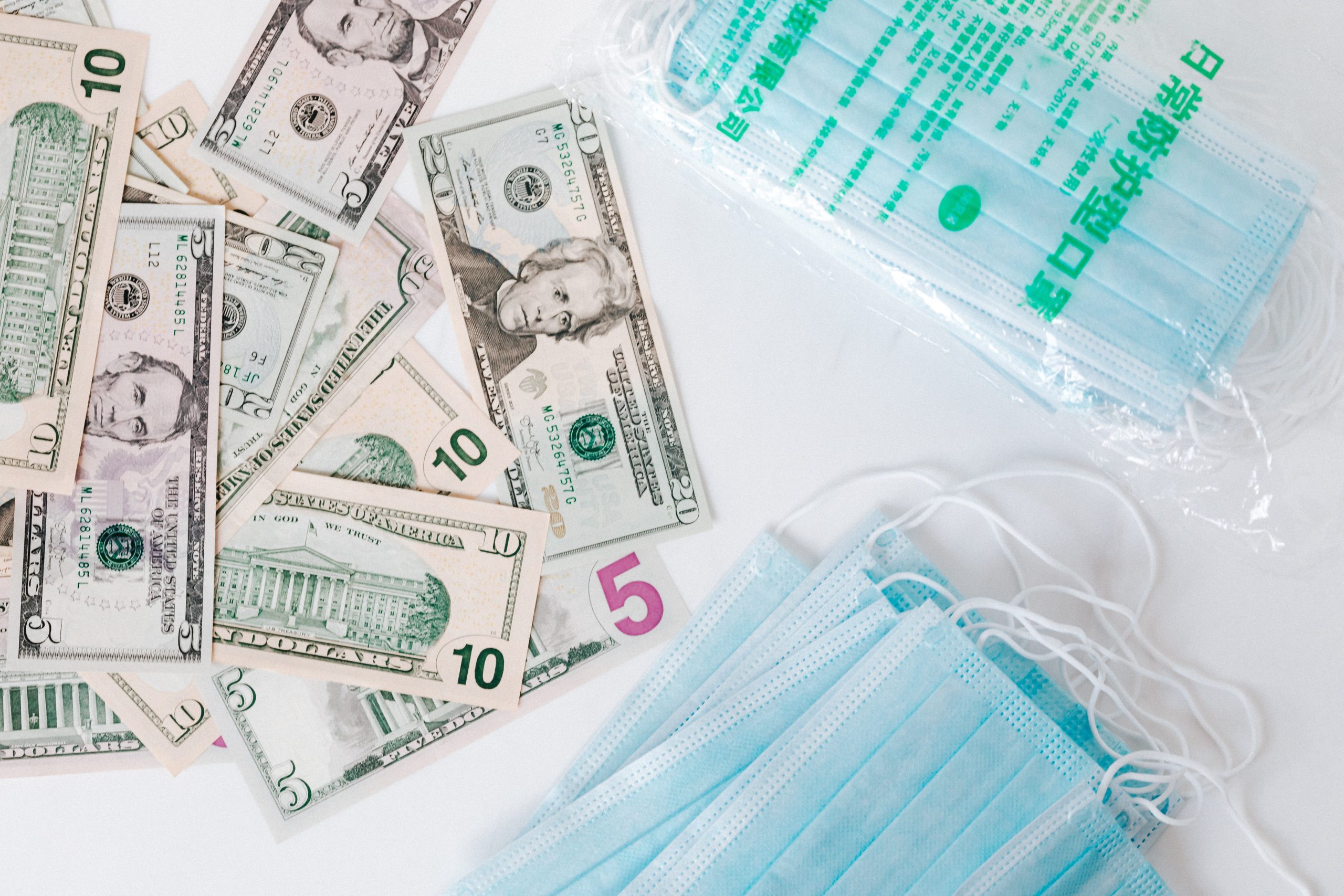
Most of the discussion on the economic policy response to the pandemic in Europe has centred on its ambition, tools, and institutional characteristics. Less discussion has taken place on the factors shaping EU integration and economic policy priorities after the pandemic. In a new CEPR Policy Insight, the authors argue that four sets of issues will be important in shaping the legacy of the pandemic for European integration: redefining the new boundaries between state and market; revisiting the nature of subsidiarity; reconnecting the EU domestic with the global agenda; and learning to respond to longer term structural shifts.

Measuring purchasing power is an effective way to track economic recovery after the pandemic, estimate the real sizes of economies, and gauge poverty.
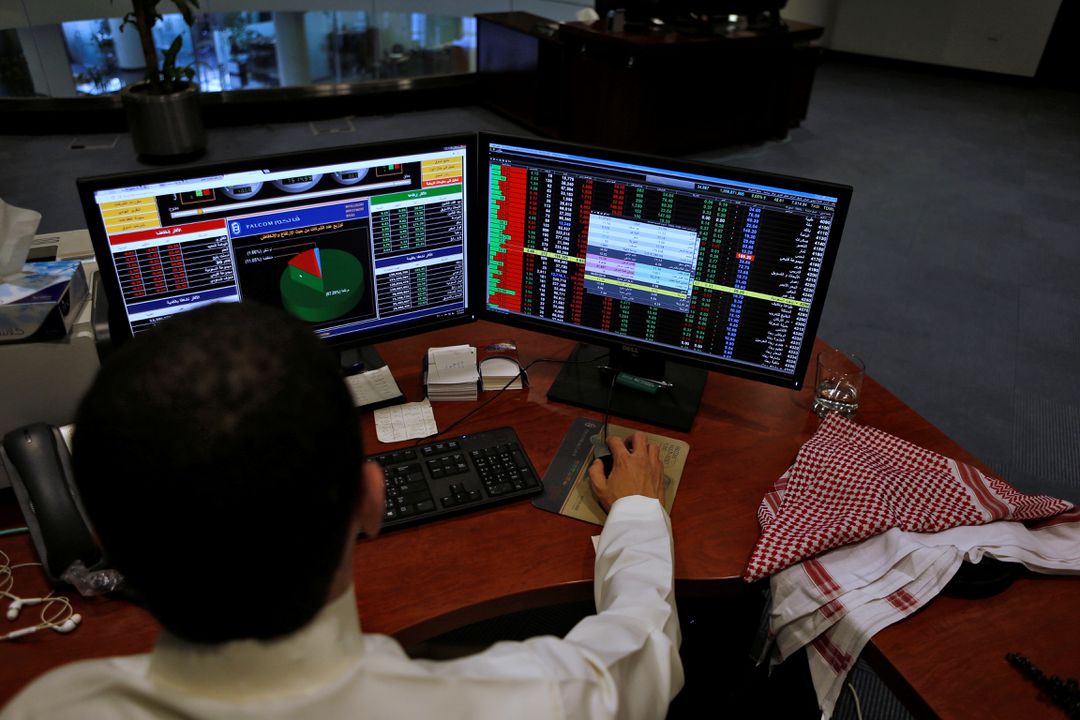
Most major stock markets in the Gulf rose in early

Post-COVID economic recovery could be delayed in countries with poor track records on governance. Many researchers have examined the effects of good governance on economic growth using different methodologies and data sets, and the findings have been contradictory. In our research, we added a new dimension by asking the question: does good governance matter for recovery in growth after a mega external shock like the pandemic?
Warren Buffett said on Saturday that Berkshire Hathaway Inc (BRKa.N) is being
Indian shares stepped back on Friday after four straight sessions
Many countries have implemented social distancing and lockdown policies to tame the spread of Covid-19. This column discusses the potential GDP and employment effects of lockdown policies for a broad cross-section of countries ranging in income per capita from Niger to Luxembourg. It shows that the employment and GDP effects of lockdown policies are U-shaped in income per capita. While workers in rich countries have a substantially higher ability to work from home, which mitigates declines in employment and GDP, poor countries concentrate employment and value-added in essential sectors that are not shut down. Middle-income countries see the largest declines as they feature relatively large employment shares in non-essential sectors and relatively low work from home ability.
Emerging market economies increasingly rely on foreign currency debt, leaving borrowing firms exposed to sudden stops and currency depreciations. This column examines the dynamics of corporate foreign currency borrowing in India using new firm-level data. It finds that interest rate differentials are a strong predictor of foreign currency debt issuance, particularly after the Global Crisis. After the ‘taper tantrum’ of 2013, the Reserve Bank of India introduced new macroprudential policies that were effective at mitigating the riskiest borrowing and reducing the vulnerability of Indian firms.
Hong Kong’s legislature passed on Wednesday a controversial immigration bill,
After a year of declining sales, Starbucks Corp (SBUX.O) on Tuesday is
Most of the discussion on the economic policy response to the pandemic in Europe has centred on its ambition, tools, and institutional characteristics. Less discussion has taken place on the factors shaping EU integration and economic policy priorities after the pandemic. In a new CEPR Policy Insight, the authors argue that four sets of issues will be important in shaping the legacy of the pandemic for European integration: redefining the new boundaries between state and market; revisiting the nature of subsidiarity; reconnecting the EU domestic with the global agenda; and learning to respond to longer term structural shifts.
Measuring purchasing power is an effective way to track economic recovery after the pandemic, estimate the real sizes of economies, and gauge poverty.
Most major stock markets in the Gulf rose in early
Post-COVID economic recovery could be delayed in countries with poor track records on governance. Many researchers have examined the effects of good governance on economic growth using different methodologies and data sets, and the findings have been contradictory. In our research, we added a new dimension by asking the question: does good governance matter for recovery in growth after a mega external shock like the pandemic?