What you need to know about the coronavirus right now
Here’s what you need to know about the coronavirus right now.

Here’s what you need to know about the coronavirus right now.

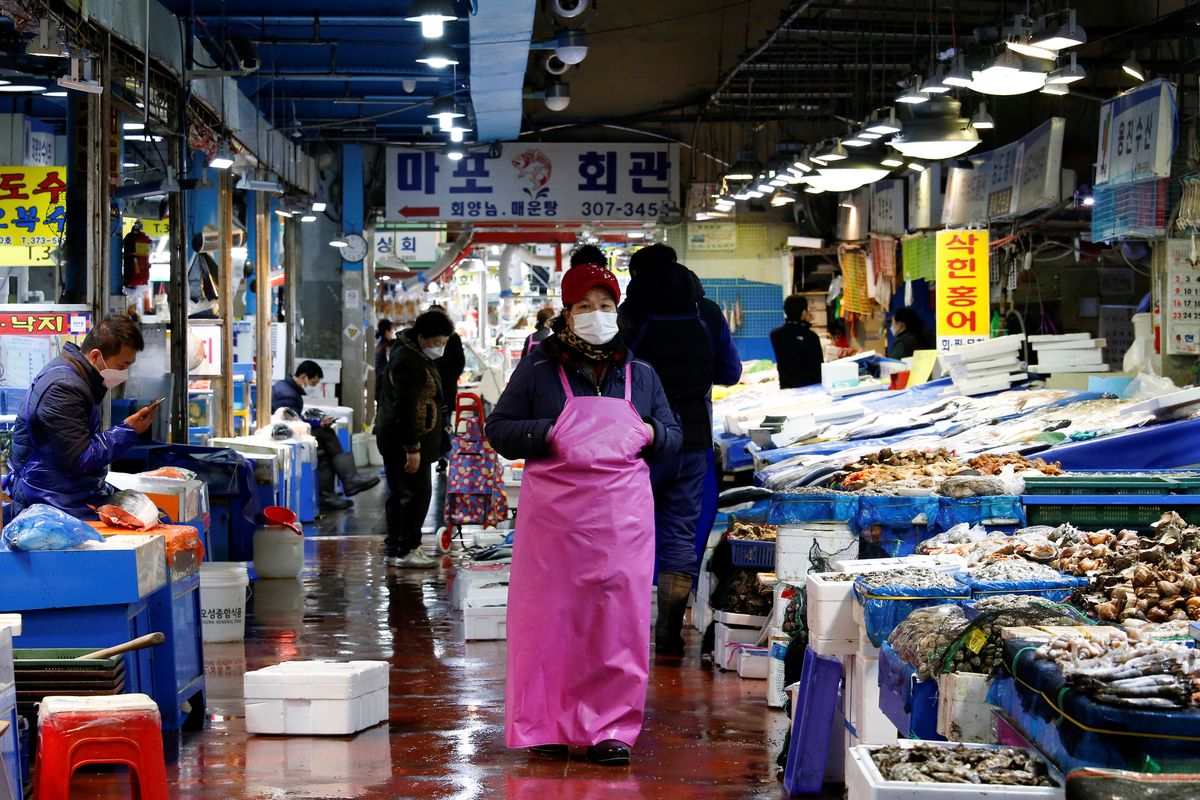
South Korea’s consumer inflation accelerated to a more than nine-year high in May, reinforcing calls for gradual monetary tightening, though the increase was mainly due to a low base effect and rises in oil and agricultural prices.

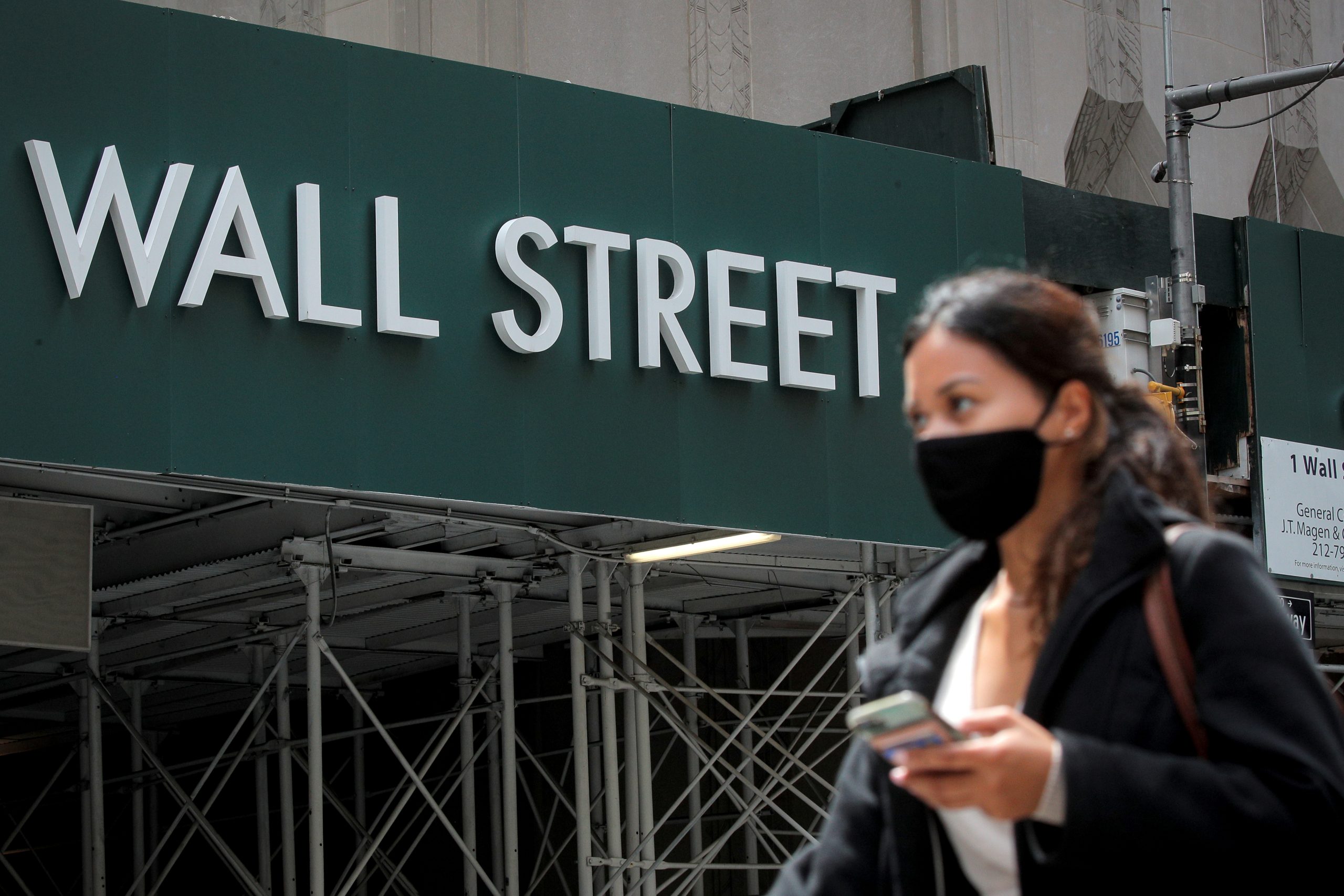
The S&P 500 (.SPX) dipped on Tuesday, with declines in healthcare and tech shares countered by energy and financial gains, as investors weighed the latest U.S. economic data for signs of a rebound and rising inflation.

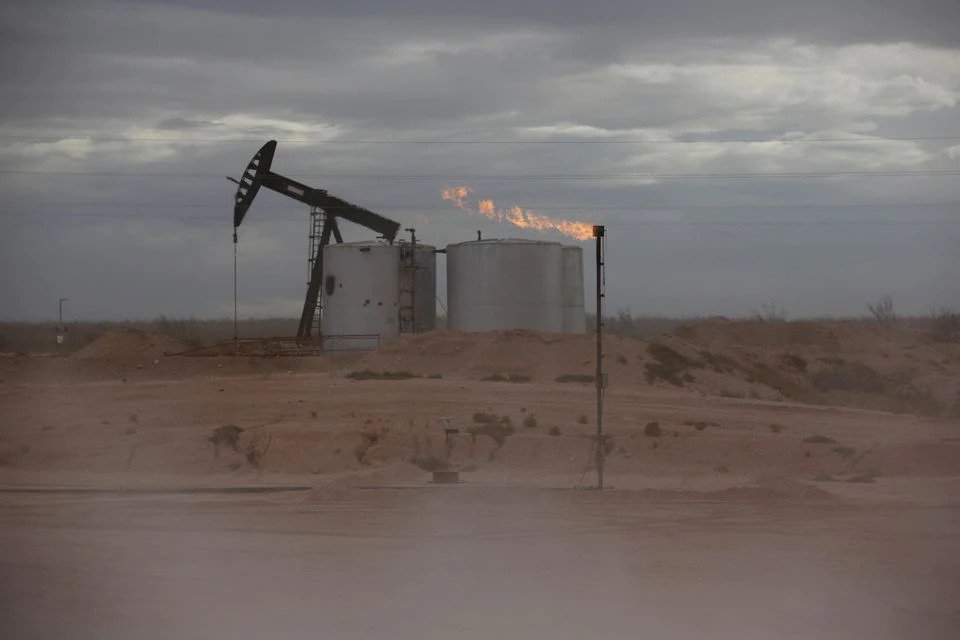
Oil rose on Wednesday, supported by an OPEC+ decision to stick to its plan to restore supply to the market gradually and by the slow pace of nuclear talks between Iran and the United States.

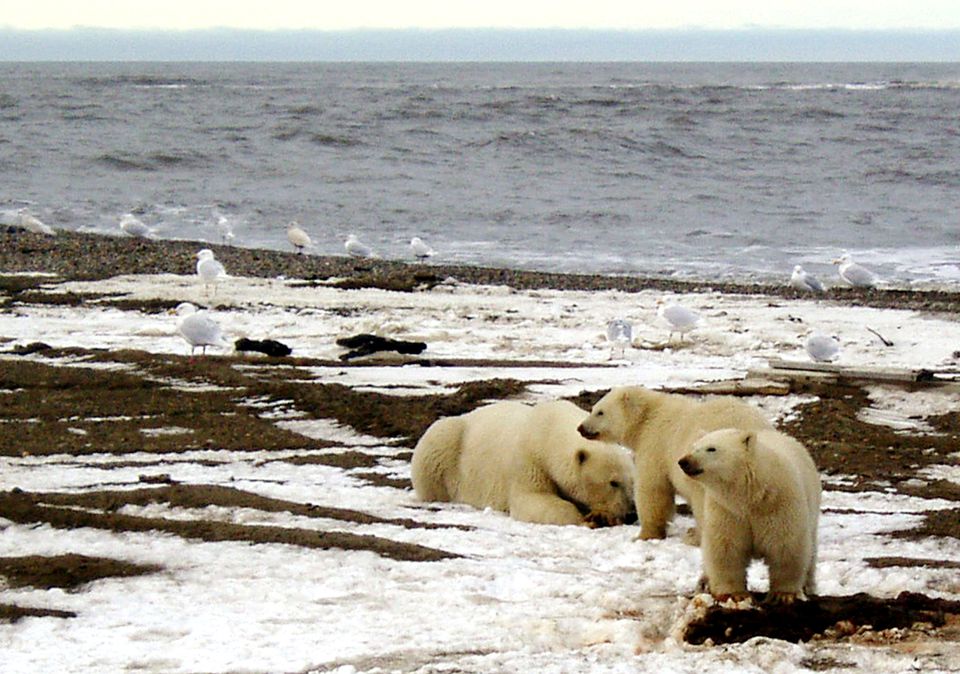
U.S. President Joe Biden’s administration on Tuesday said it would suspend oil and gas leases that were handed out in an Alaska wildlife refuge during the final days of the Trump administration pending an environmental review.

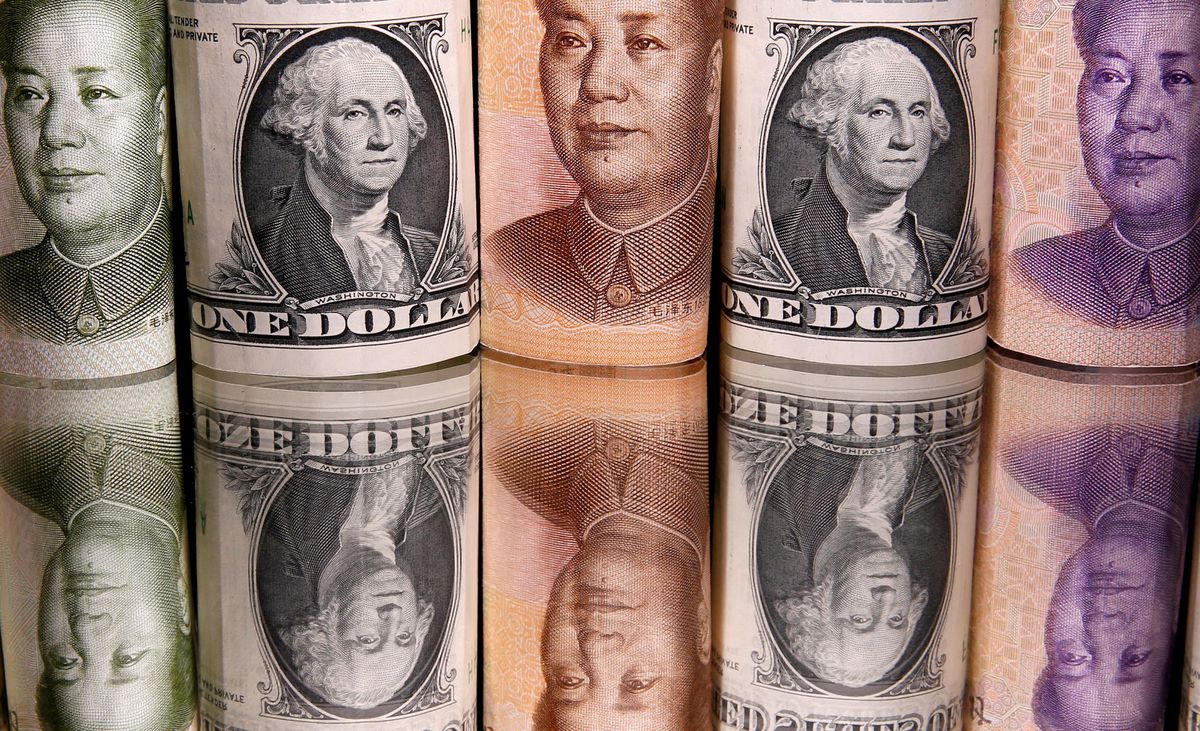
A mountain of dollars on deposit in China has grown so large that banks are struggling to loan the currency and traders say it poses a risk to official efforts to control a fast-rising yuan.

U.S. manufacturing activity picked up in May as pent-up demand amid a reopening economy boosted orders, but unfinished work piled up because of shortages of raw materials and labor.

Zoom Video Communications Inc (ZM.O) on Tuesday forecast current-quarter revenue above estimates, as increased adoption of hybrid work models by companies is expected to drive steady demand for its video conferencing tools.

European Union government and parliament negotiators reached a deal on Tuesday on rules that will force large multinational companies to disclose how much revenue and tax they pay in the 27-nation bloc and how much in countries considered tax havens by the EU.

Bank of England Governor Andrew Bailey said on Tuesday there was no case yet for making financial institutions set aside more capital for climate change risks, even though markets were underpricing the danger of disruption.

Here’s what you need to know about the coronavirus right now.

South Korea’s consumer inflation accelerated to a more than nine-year high in May, reinforcing calls for gradual monetary tightening, though the increase was mainly due to a low base effect and rises in oil and agricultural prices.

The S&P 500 (.SPX) dipped on Tuesday, with declines in healthcare and tech shares countered by energy and financial gains, as investors weighed the latest U.S. economic data for signs of a rebound and rising inflation.

Oil rose on Wednesday, supported by an OPEC+ decision to stick to its plan to restore supply to the market gradually and by the slow pace of nuclear talks between Iran and the United States.

U.S. President Joe Biden’s administration on Tuesday said it would suspend oil and gas leases that were handed out in an Alaska wildlife refuge during the final days of the Trump administration pending an environmental review.

A mountain of dollars on deposit in China has grown so large that banks are struggling to loan the currency and traders say it poses a risk to official efforts to control a fast-rising yuan.

U.S. manufacturing activity picked up in May as pent-up demand amid a reopening economy boosted orders, but unfinished work piled up because of shortages of raw materials and labor.

Zoom Video Communications Inc (ZM.O) on Tuesday forecast current-quarter revenue above estimates, as increased adoption of hybrid work models by companies is expected to drive steady demand for its video conferencing tools.

European Union government and parliament negotiators reached a deal on Tuesday on rules that will force large multinational companies to disclose how much revenue and tax they pay in the 27-nation bloc and how much in countries considered tax havens by the EU.

Bank of England Governor Andrew Bailey said on Tuesday there was no case yet for making financial institutions set aside more capital for climate change risks, even though markets were underpricing the danger of disruption.
© | All rights reserved.