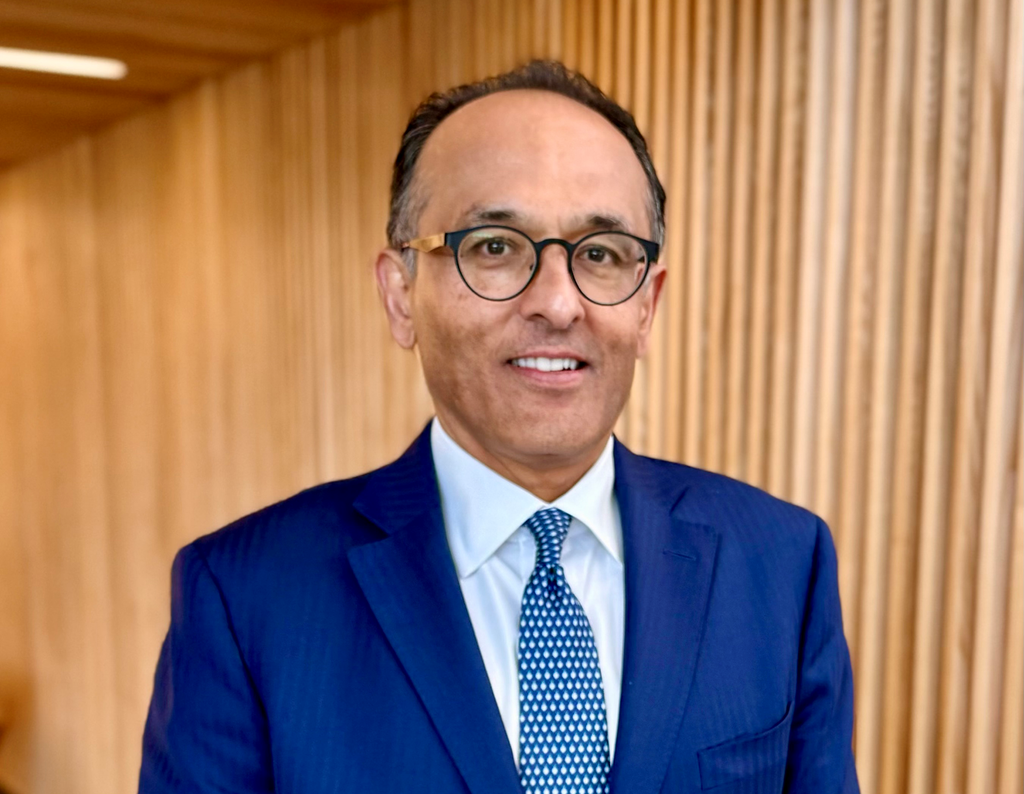

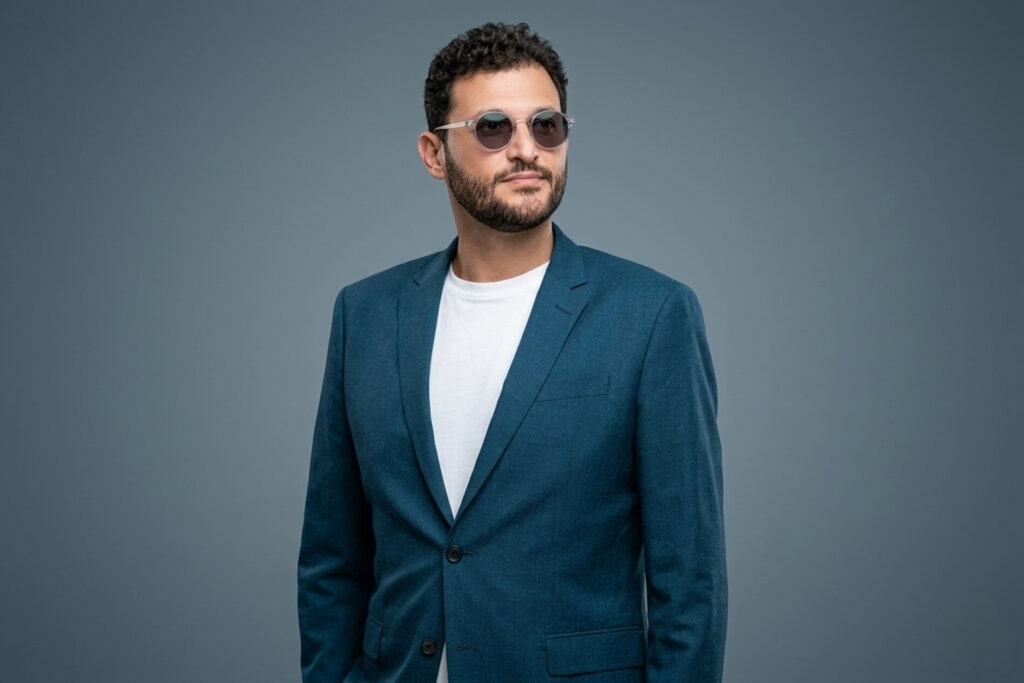
By Talal M. Al Gaddah, CEO and Founder of the Keturah luxury brand
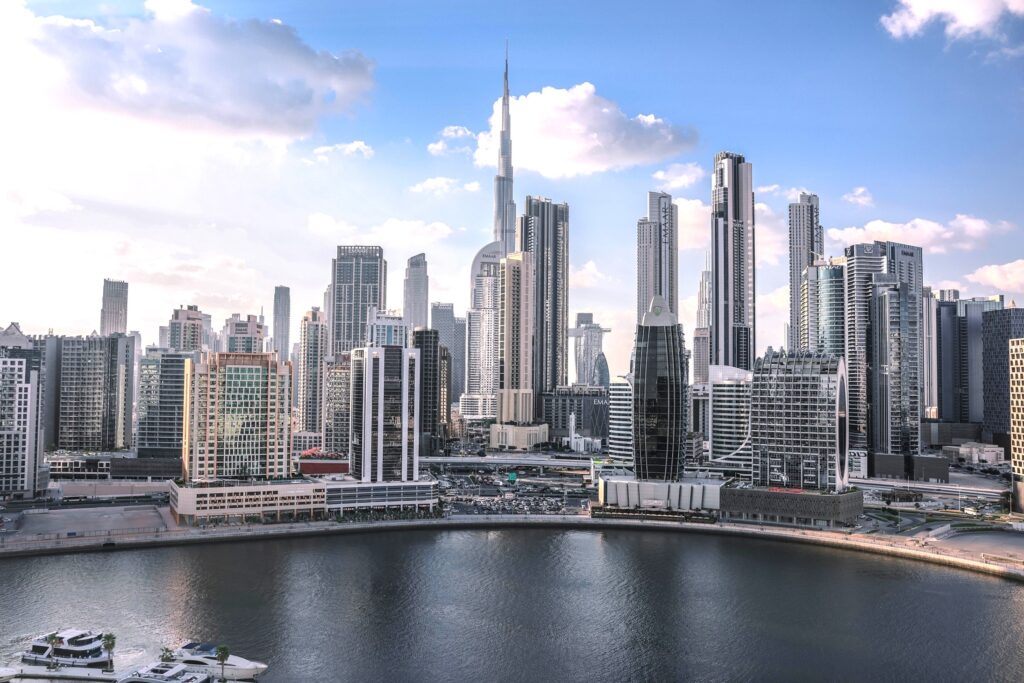
Dubai’s luxury real estate market has qualities that become most visible in uncertain times, particularly an ability to hold its ground, continue attracting serious long-term capital and emerge stronger.
Over the years and through more than one period of genuine global difficulty, this market has consistently demonstrated a resilience that goes beyond sentiment, and is rooted in how it was built in the first place.
Disciplined supply management, a transparent and stable regulatory environment, long-term infrastructure planning, and a sustained focus on quality over volume have been in place for years, giving investors the certainty needed when the wider environment becomes unpredictable.
That combination of factors is what continues to bring committed capital into Dubai, even when major geopolitical issues give reason for caution.
This is reflected by DXBinteract data for the period between March 1 and April 15. Developer sales above AED5 million reached AED25.04 billion, a 21.4% increase on the same period last year, while transaction volumes rose 59.7% to 1,813 deals.
What makes these figures particularly significant is not their scale alone, but the fact that they were achieved at a moment of genuine regional uncertainty, when considered, long-term investors were making deliberate choices about where to place their capital and why.
The growth across price segments is also notably broad-based, which is as important as the headline figures themselves. The AED5 to 10 million segment saw value rise from AED3.43 billion to AED7.91 billion year-on-year, with transaction volumes more than doubling from 503 to 1,153 deals.
In the AED20 to 50 million range, value grew from AED5.38 billion to AED7.20 billion, while the AED50 to 100 million bracket saw value climb from AED1.55 billion to AED2.63 billion across the same period.
Strength distributed evenly across multiple price tiers, as we are seeing here, reflects something more fundamental about the underlying confidence in the market as a whole, rather than a spike in any one segment driven by a single transaction or a temporary shift in appetite.
The buyers driving this activity are purposeful and long-term in their thinking, and they are asking different questions than buyers were asking five years ago. They are looking closely at build quality, energy efficiency, the standard of communal environments, and how a development has been structured to support the way people actually want to live day to day.
This shift in buyer behaviour is one of the most significant changes in Dubai’s luxury sector in recent years, and it is reshaping what developers need to deliver in order to remain relevant and competitive over the long term.
That evolution in demand connects directly to a broader trend that gives Dubai’s outlook particular strength going forward. According to the 2026 Knight Frank Wealth Report, the UAE’s population of ultra-wealthy individuals holding more than $30 million in assets is projected to grow from 4,851 this year to 6,588 by 2031.
This places the country among the fastest-growing markets for high-net-worth individuals globally. Meanwhile, Dubai’s second place worldwide ranking for prime residential property prices reflects not just current performance, but a sustained, structural appeal to investors who take a long view.
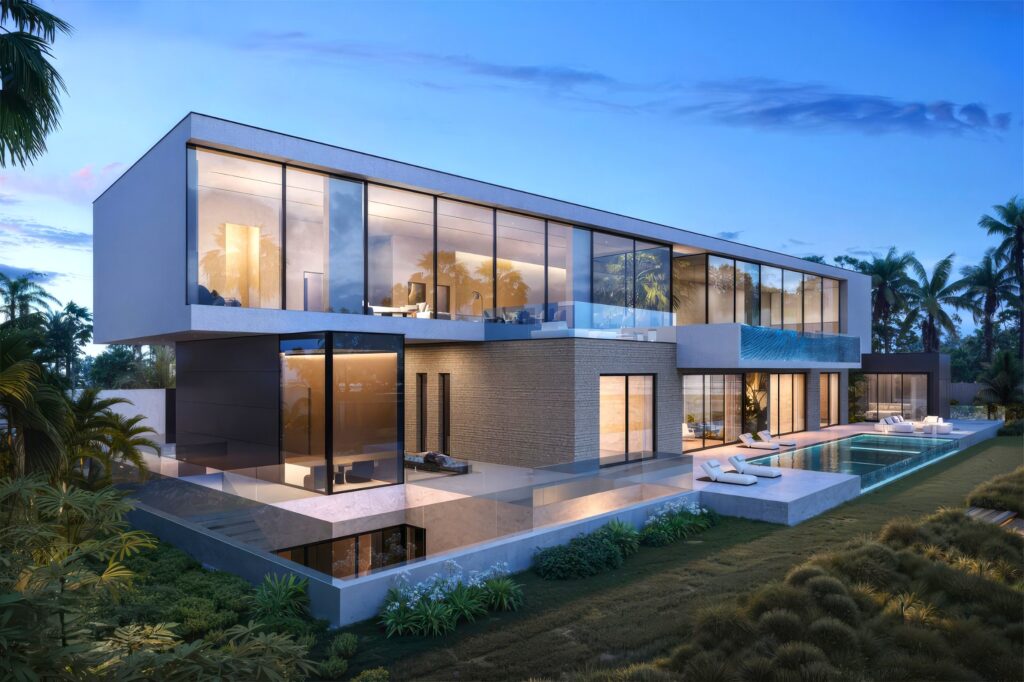
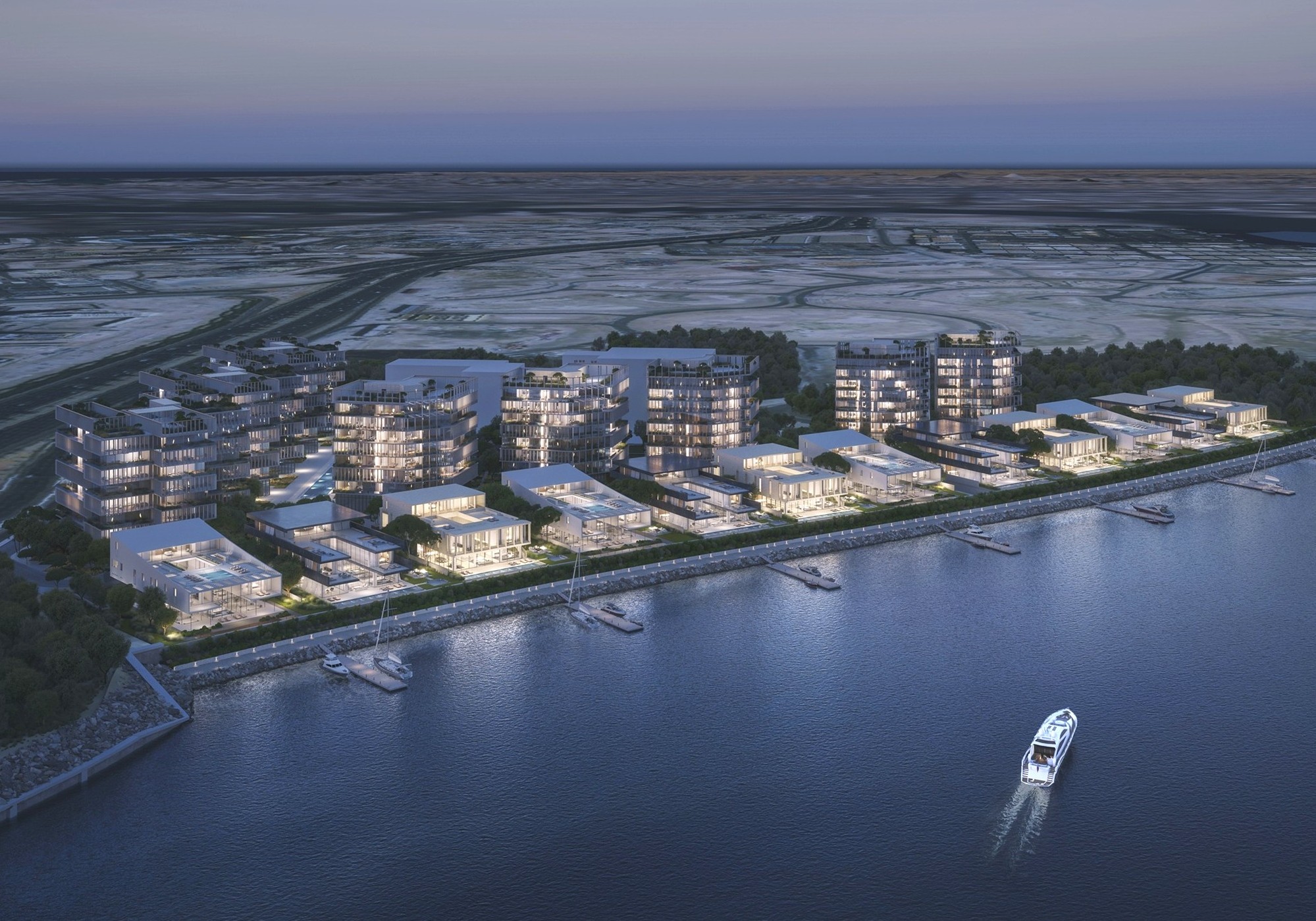
At Keturah, both of our major projects currently under development in Dubai sit directly within this environment and are shaped by the same principles that are driving it.
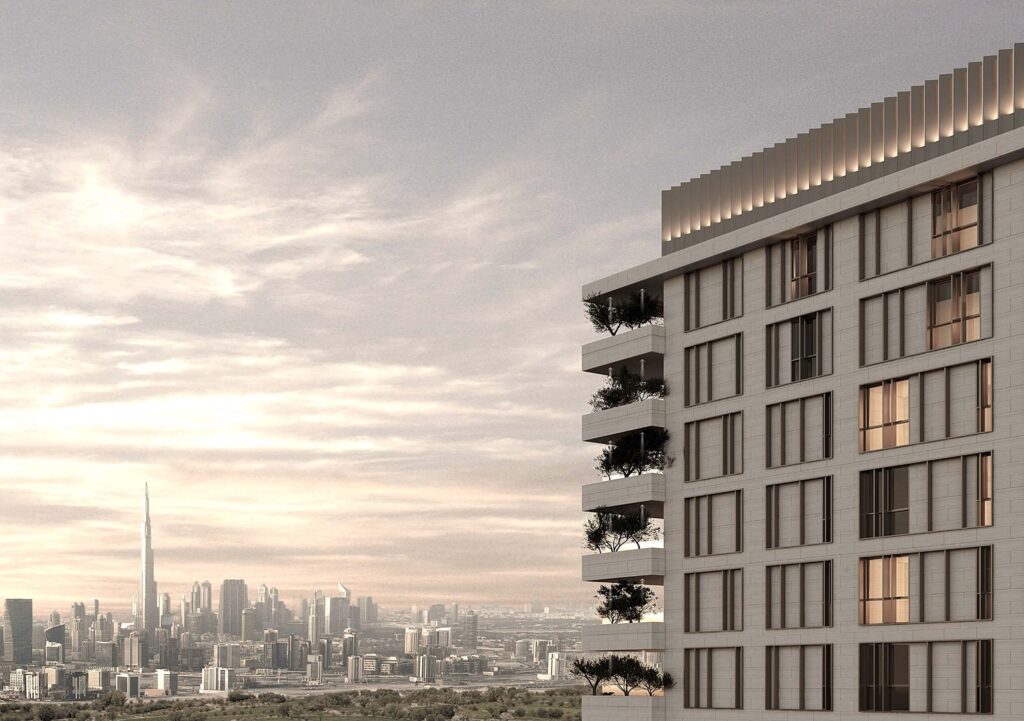
Keturah Resort, our wellness-certified community along Dubai Creek adjacent to the Ras Al Khor Wildlife Sanctuary, is designed around long-term living in a natural waterfront setting, while Keturah Reserve, our AED5.7 billion bio-living community in Mohammed Bin Rashid City, is structured around controlled supply, residential privacy, and genuine end-user demand rather than short-term turnover.
Both reflect where the market is heading, with greater emphasis on the quality of everyday living, and how developments are structured to support that over the long term.
Dubai continues to attract long-term capital because the fundamentals are stable, the infrastructure is in place, the regulatory environment is transparent, and there is a consistent, long-term approach to how the city is planned and delivered.
That combination gives investors and end-users a rare level of certainty, and explains why the results we are seeing across the luxury segment are not a surprise to those who understand this market well.
What the current data confirms, more than anything else, is that Dubai’s luxury real estate sector has earned its standing as one of the most structurally resilient premium property environments in the world, and that the investors who recognise this are not waiting on the sidelines.