

Global Markets React to Economic Data, Igniting Fears of Rate Hikes

Global markets experienced a sudden downturn fueled by a mix of conflicting economic indicators, triggering apprehensions about potential interest rate hikes by central banks. Asian stock markets, including Hong Kong, Shanghai, Tokyo, and Sydney, faced notable declines as investors grappled with uncertainty. The Philippine Stock Exchange index (PSEi) also witnessed a dip, partly attributed to disappointing second-quarter economic growth figures. The intricacies of this situation were exacerbated by the contrasting data emerging from the United States, particularly around inflation rates. The prevailing market sentiment now hinges on forthcoming data, which could either quell or amplify concerns regarding central banks’ responses to inflation and economic stability.
Bank of England Governor Suggests Peak in Interest Rates Nearing Amid Stubborn Inflation

In Governor Andrew Bailey’s recent statement, we see the Bank of England navigating a challenging economic terrain, striving to combat surging inflation while maintaining economic stability. Bailey’s acknowledgement that the peak in interest rates is drawing near reflects the central bank’s cautious approach to rate hikes. The UK’s persistent inflation pressures have necessitated 14 consecutive rate increases, with another one expected soon. The delicate dance between taming inflation and sustaining robust wage growth remains a central concern for policymakers. Swati Dhingra’s dissenting viewpoint underscores the complexities of the policy decisions ahead as the BoE seeks to strike the right balance.
Australia’s Housing Market Remains Resilient to Rate Hikes, S&P Analysis Reveals

Australia’s housing market continues to display strength and resilience, as highlighted by a recent analysis conducted by S&P Global Ratings. The report suggests that the country’s home-loan market is well-prepared to handle potential interest-rate hikes without experiencing a significant surge in mortgage arrears. A robust economy, low unemployment rates, and sound financial management contribute to the market’s stability. While challenges may arise in the future, the findings provide valuable insights into the current state of Australia’s housing market and its ability to withstand economic pressures.
Stocks fall on rate hike bets, yen drops to 24-year low
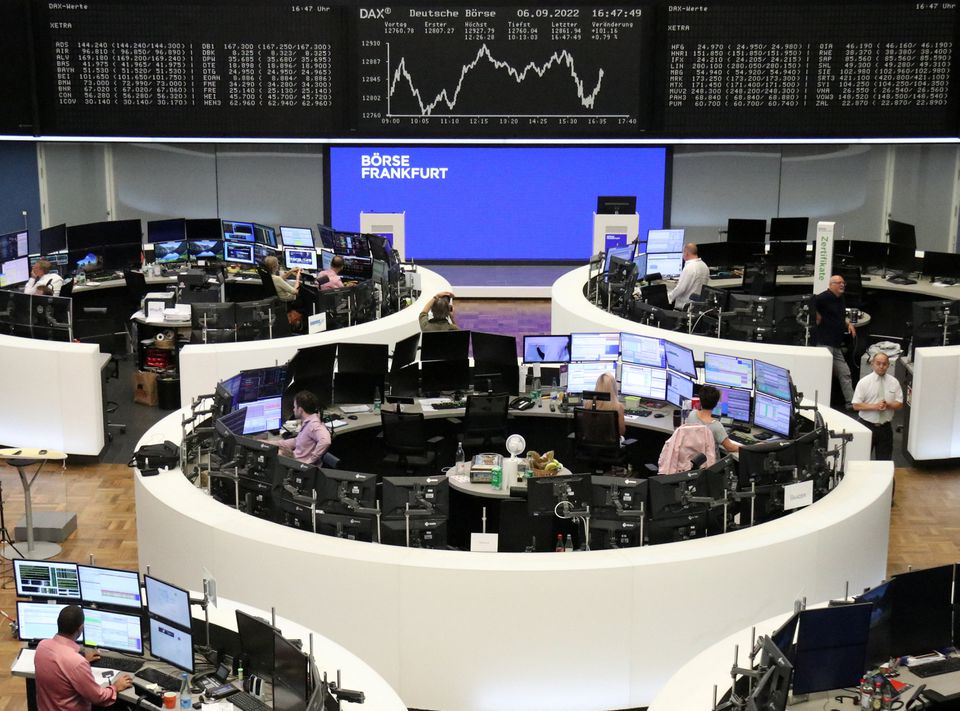
European stock markets opened in the red on Wednesday after U.S. economic data prompted traders to ramp up Federal Reserve rate hikes bets, pushing the dollar to a 24-year high against the Japanese yen.