
Thailand’s New Prime Minister Pledges Swift Action on Economic Challenges
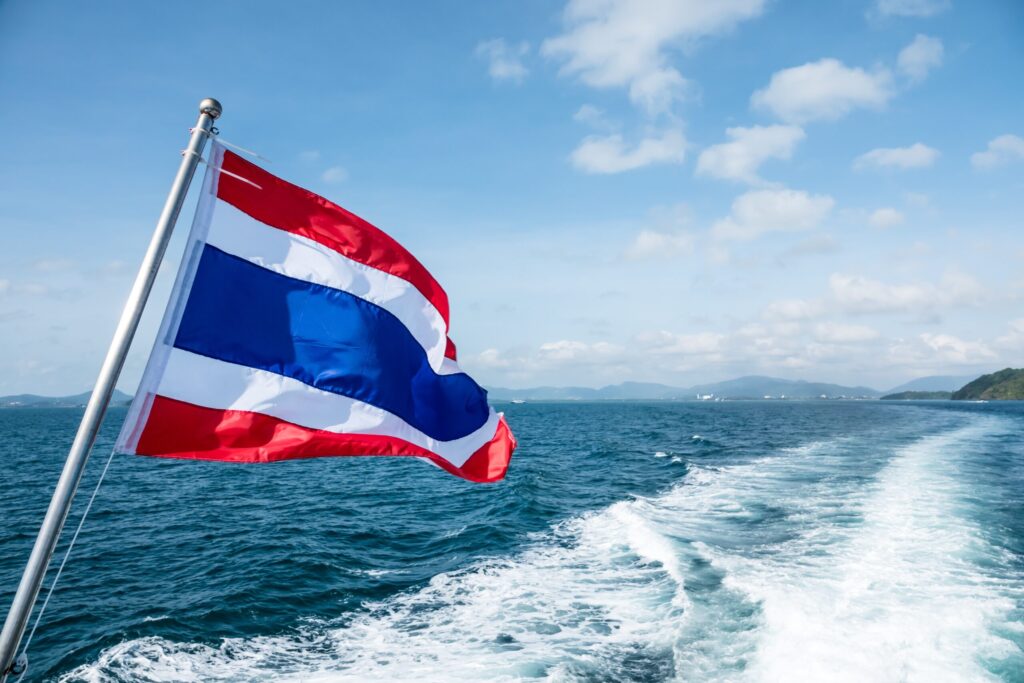
In his inaugural address to Parliament, Thailand’s new Prime Minister, Srettha Thavisin, has set a proactive agenda for addressing the nation’s economic woes. With the pandemic’s impact on the vital tourism industry and rising debt levels, he emphasized the urgency of these measures. Of particular note is the proposed 10,000-baht ($280) handout to stimulate short-term spending, though its long-term effectiveness remains a subject of debate. The government also outlined ambitious long-term goals, including bolstering international trade, supporting start-ups, and enhancing agricultural production, signaling a comprehensive approach to economic revitalization. Additionally, plans for political reforms, particularly involving the military’s role, were diplomatically addressed to ensure transparency and cooperation.
Philippines Navigates Pension Reform to Safeguard Investment Grade Rating

The Philippines is confronting a pressing challenge as it contemplates reforming its military and uniformed personnel (MUP) pension system to safeguard its investment grade rating. Finance Secretary Benjamin Diokno has voiced the urgency of addressing the current “unsustainable” system, warning that failure could compromise the nation’s ability to manage its debt and deficit. President Ferdinand Marcos Jr’s administration prioritises fiscal consolidation to enable crucial infrastructure investments. The country’s financial stability hinges on navigating the delicate balance between pension reform, fiscal responsibility, and maintaining its hard-earned investment-grade status.