

Inflation Eases in October, A Glimmer of Hope for Consumers Amidst Economic Uncertainties

In October, consumer prices in the U.S. rose by 3.2% compared to the previous year, signaling a noteworthy slowdown and offering respite for consumers. The data reflects a 0.5% decline from September, showcasing progress in the Federal Reserve’s campaign to curb inflation. While the drop in gas prices contributed to this decline, core inflation, excluding food and energy prices, only slightly decreased to 4.0% in October. The positive development comes amid robust economic growth, with the GDP expanding at a rate of 4.9% over the three months ending in September. However, challenges such as rising long-term borrowing costs and record-high credit card debt pose potential risks to sustained economic growth.
Global Financial Landscape Awaits Bank of England’s Decision Amid US Rate Hikes

As economic observers hold their breath, the Bank of England stands at a critical crossroads, its response poised to resonate worldwide. After a series of interest rate hikes over the last two years, the Bank faces the prospect of aligning its policies with the potential rate increases by the US Federal Reserve. This juncture underscores the intricate dance of central banks in grappling with inflation and economic stability. The synchronicity between these key institutions amplifies the significance of their decisions, impacting currencies, trade, and investment strategies on a global scale. In an era of interconnected financial systems, the choices made by these central banks extend far beyond their borders.
Morning Bid: No Messi magic for markets

Soccer fans enjoyed an extraordinary final of the World Cup on Sunday as high emotion and intense drama gave way to Lionel Messi leading Argentina to victory against France in a penalty shootout.
Analysis: Markets sigh with relief after Powell speech, but more turbulence likely ahead

A rally in U.S. stocks and bonds powered ahead after a speech by Federal Reserve Chairman Jerome Powell on Wednesday, but some investors believe a looming recession could cap gains in both asset classes.
Analysis – A tale of two tapers: This time is different for a Fed focused on jobs
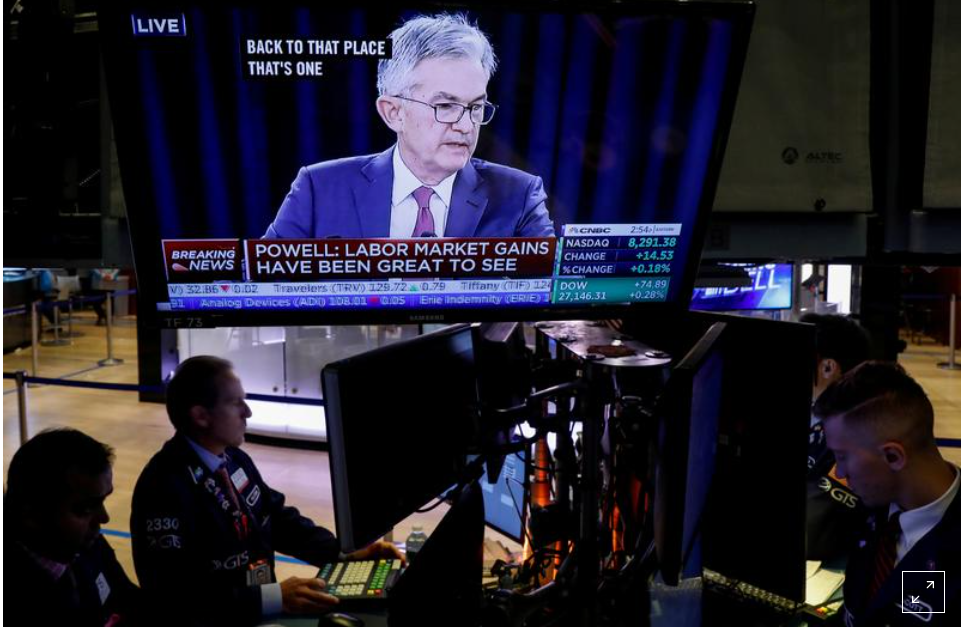
WASHINGTON/SAN FRANCISCO (Reuters) – Eight years ago this month Jerome Powell, still in his rookie year as a Federal Reserve governor, surveyed the U.S. job market and declared it was good enough for the central bank to reduce the support for the economy it had rolled out to fight the 2007 to 2009 financial crisis.