
Gareth Southgate, A Vision Beyond England’s Horizon

In a candid interview, Gareth Southgate, the seasoned England manager, dismisses any notion of intimidation in the face of potential club management, drawing on his seven-year tenure with the national squad. With Euro 2024 on the horizon, Southgate’s confidence remains unwavering as England stands among the favorites. Reflecting on his earlier Premier League stint with Middlesbrough, Southgate views his transition from player to manager at 35 as a monumental achievement despite subsequent challenges. His calm demeanor about the future and acknowledgement of the transformative nature of his current role hint at a potentially dynamic future beyond the England job. As England’s Euro 2024 build-up commences, Southgate’s strategic prowess and the prospect of a return to club management add intriguing layers to his storied career.
Philippines Paving the Way for a Financial Renaissance, Unfolding Digital Banking Epoch
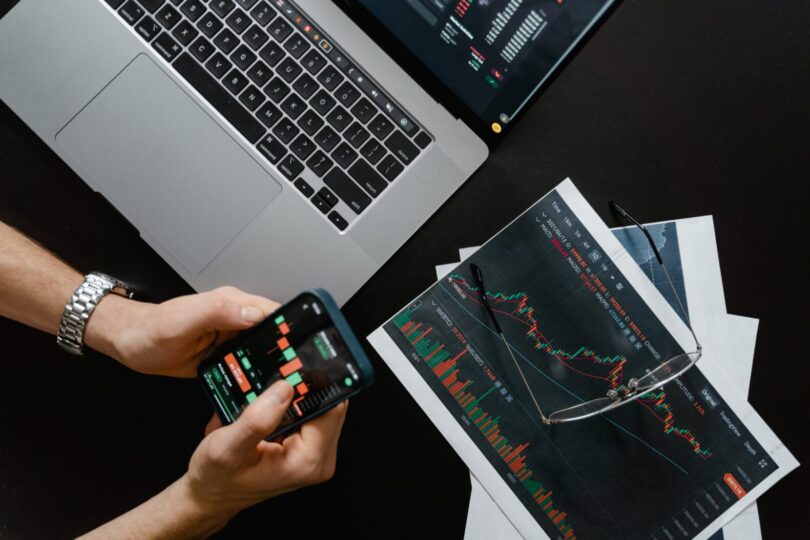
In the dynamic landscape of Southeast Asia, the Philippines is gearing up for a financial renaissance, with digital banking leading the charge. McKinsey’s insights reveal a staggering potential, as the country’s banking revenue pools are anticipated to triple by 2030. However, the challenge lies in the fact that nearly half of the bankable population remains unbanked, creating the perfect storm for a digital banking revolution. Guided by the visionary regulatory approach of the central monetary authority Bangko Sentral ng Pilipinas (BSP), the Philippines is witnessing a surge in traditional banks’ market value and the rapid ascent of fintech firms. As the BSP standardizes QR payments and encourages new players, the fintech landscape, exemplified by firms like Salmon, is becoming a catalyst for financial inclusion, transforming the Philippines into a digital banking powerhouse.
Economic Resilience Amidst Oil Output Cuts: GCC Growth Prospects
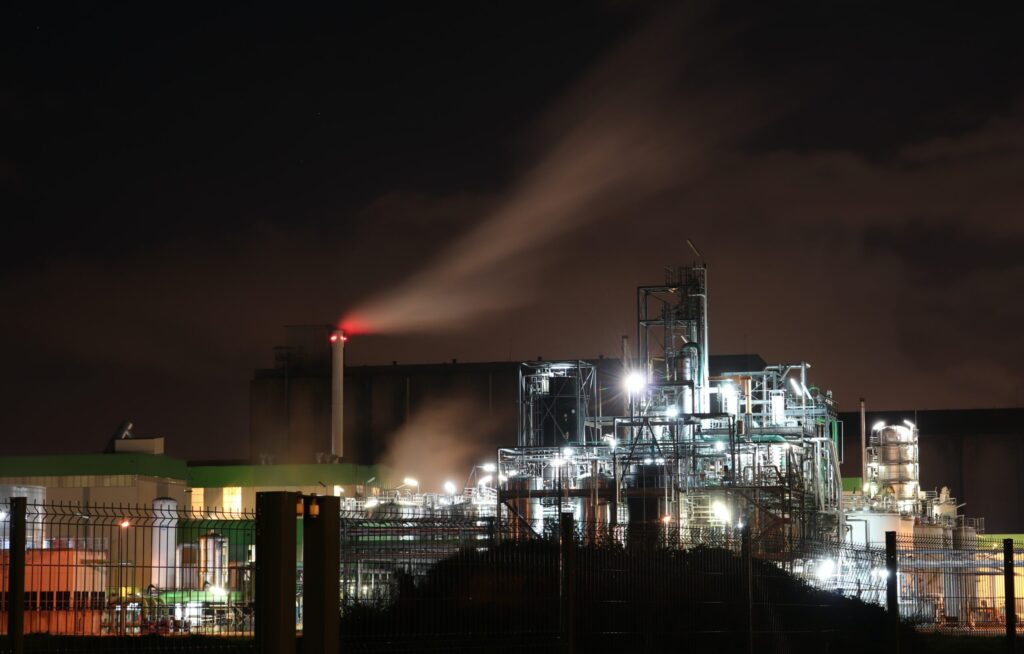
The Gulf Cooperation Council (GCC) economies faced an intricate economic landscape in the second quarter of 2023, marked by reduced oil production. This led to a 0.5 percentage point downward revision in growth forecasts for the GCC, setting the growth rate at 1.4% for the year. However, the region’s non-energy sectors have shown resilience, with robust growth in tourism-related industries. Rising energy prices, driven by global factors, have also played a pivotal role, with Brent oil reaching $90 per barrel. The impending inclusion of Saudi Arabia and the UAE into the BRICS group offers a ray of hope, fostering economic diversification and reducing reliance on the US dollar, setting the stage for a more optimistic future.
Kuwait’s Ambitious Drive to Energize Oil and Gas Sector with $5.6 Billion Investment

Kuwait’s strategic investment of $5.6 billion in its oil and gas sector signals an unwavering commitment to secure its energy future. With aspirations to raise crude oil production to 3.5 million barrels per day by 2030, Kuwait aims to play a pivotal role in global energy markets. The surge in capital spending by the Kuwait Oil Company (KOC), driven by robust expansion projects, aligns with the nation’s vision for energy self-sufficiency. KOC’s financial strength has reached historic levels, bolstered by soaring crude oil prices, providing a robust foundation for its strategic objectives. This initiative reinforces Kuwait’s energy prowess and charts a course toward a sustainable and prosperous energy landscape.