
Economic Resilience Amidst Oil Output Cuts: GCC Growth Prospects
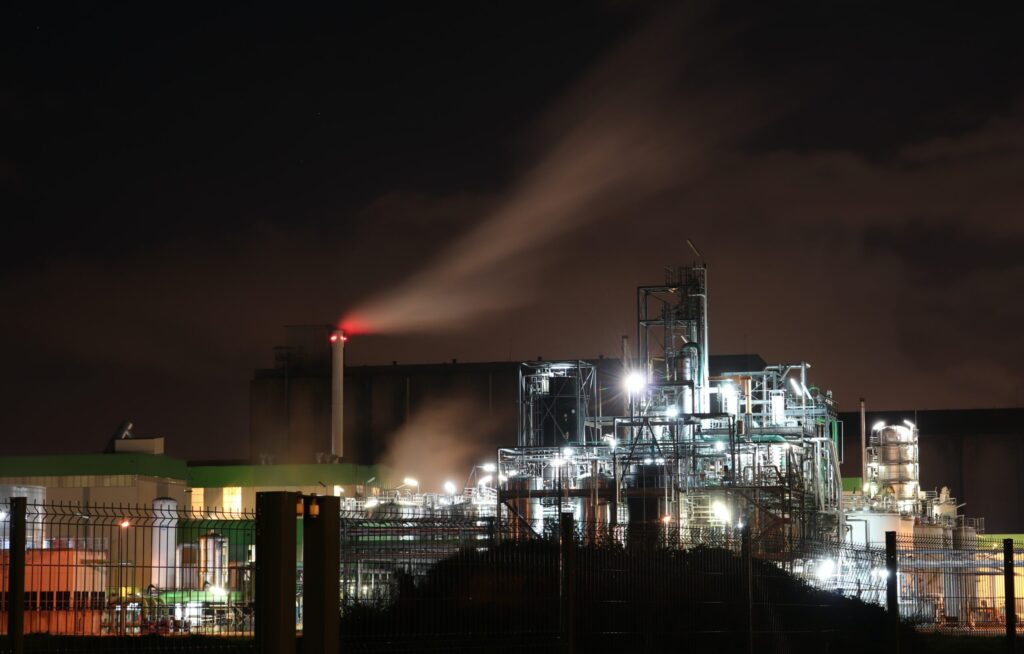
The Gulf Cooperation Council (GCC) economies faced an intricate economic landscape in the second quarter of 2023, marked by reduced oil production. This led to a 0.5 percentage point downward revision in growth forecasts for the GCC, setting the growth rate at 1.4% for the year. However, the region’s non-energy sectors have shown resilience, with robust growth in tourism-related industries. Rising energy prices, driven by global factors, have also played a pivotal role, with Brent oil reaching $90 per barrel. The impending inclusion of Saudi Arabia and the UAE into the BRICS group offers a ray of hope, fostering economic diversification and reducing reliance on the US dollar, setting the stage for a more optimistic future.
Economic Headwinds Challenge Philippines’ Growth Prospects in Q3

As the Philippines confronts economic headwinds, concerns of a potential modest recession in Q3 have emerged. The Pantheon Macroeconomics report indicates that the recent GDP growth of 4.3 percent falls far short of the expected 6 percent, signaling economic turbulence. A contraction of 0.9 percent in the domestic economy during Q2 and weakening private consumption have added to the uncertainties. Despite these challenges, Finance Secretary Benjamin Diokno remains cautiously optimistic about achieving the government’s growth target of 6 to 7 percent, citing the impact of monetary tightening and inflation mitigation measures.