

Oman’s Fiscal Renaissance, A Testament to Economic Resilience and Strategic Reforms

Under the wise leadership of His Majesty Sultan Haitham bin Tarik, Oman has orchestrated a remarkable fiscal resurgence, achieving substantial milestones amid global economic challenges. Rigorous fiscal reforms, spending control, and revenue diversification have propelled the sultanate’s fiscal performance, showcasing a surplus of RO931mn in 2023, defying initial deficit projections. Notably, the reduction in public debt from RO17.6bn in 2022 to RO15.2bn in 2023, steering the debt-to-GDP ratio to 35%, has fortified Oman’s credit ratings. Major credit agencies like Moody’s, S&P Global Ratings, and Fitch Ratings have lauded Oman’s fiscal prudence, upgrading its sovereign credit ratings and endorsing the effectiveness of strategic financial policies. This fiscal renaissance underscores Oman’s resilience and strategic insight in navigating economic complexities.
Oman’s Fiscal Turnaround, A Deep Dive into the 2023 Debt Reduction and 2024 Budgetary Plans

In a noteworthy fiscal turnaround, Oman’s public debt has seen a substantial reduction, dropping to 35% of the GDP in 2023 from nearly 70% in 2020. This commendable shift is attributed to the sultanate’s fiscal reforms and a boost from higher-than-expected oil prices. The 2023 debt-to-GDP ratio of 35% reflects Oman’s commitment to responsible financial management, marking a significant improvement from previous years. The unexpected surplus of approximately RO931 million in the 2023 budget underscores the success of proactive measures and prudent fiscal policies. Looking ahead, Oman’s 2024 budget prioritizes stability, debt reduction, and strategic deficit financing to strengthen the nation’s economic resilience further.
Redefining the Bank of England’s Role-A Deeper Look at the Resolution Foundation’s Proposals

The Resolution Foundation’s bold proposals for reshaping the Bank of England’s role could mark a significant turning point in the UK’s economic strategy. Their call to increase the inflation target to 3% seeks to equip the bank with enhanced tools to manage future economic shocks effectively. Although unconventional, the notion of employing negative interest rates as a monetary policy tool could potentially breathe new life into the country’s economic recovery efforts. However, this transformation would mark a radical shift, potentially significantly reshaping the financial landscape. As the world grapples with ongoing economic uncertainties, the call for a “policy reset” echoes the necessity for adaptability and resilience in a rapidly changing financial environment.
Kuwait’s Money Supply Shows Modest Increase, Reflecting Stable Economic Outlook
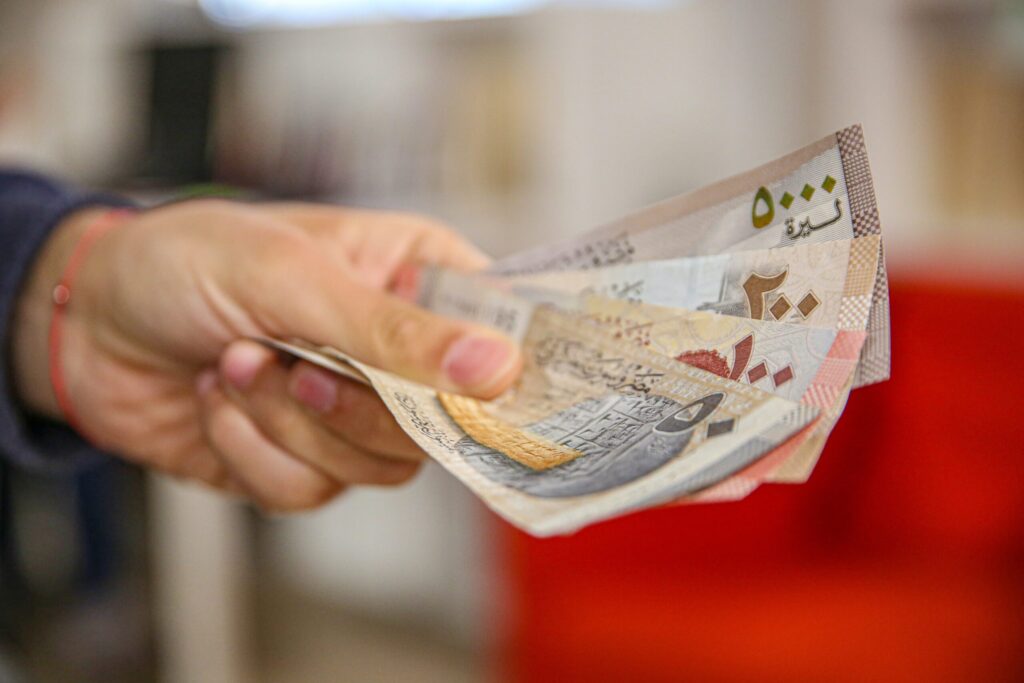
Kuwait’s Central Bank has reported a modest increase in the country’s money supply, highlighting stable economic conditions and positive trends within the financial sector. Despite a decline in foreign currency deposits, the rise in private sector deposits demonstrates growing confidence in Kuwait’s banking system. The central bank’s prudent monetary policies and consistent interest rates contribute to the country’s economic resilience and attractiveness to domestic and international investors. As Kuwait continues strengthening its position as a regional financial hub, these indicators bode well for sustained growth and stability.