

Bank of England Holds Steady Amidst Economic Challenges

The Bank of England’s recent decision to maintain historically high-interest rates reflects its commitment to navigating a challenging economic landscape. Despite acknowledging the potential for a recession and minimal growth, the bank reiterated its stance with a 6-3 vote. Their primary concern is addressing soaring inflation levels, with no immediate plans for rate cuts, according to BoE Governor Andrew Bailey. The bank, however, remains cautious due to global uncertainties, such as the Middle East conflict and strong wage growth, which may sustain inflationary pressures. Despite this caution, it anticipates a return to its 2 percent inflation target by the end of 2025.
Germany’s Battle to End the Ongoing Recession and Energy Crisis

Germany once hailed as an economic powerhouse, now finds itself at a crossroads. Business leaders and experts are sounding the alarm as the nation grapples with a weakening economy and the challenges of transitioning to green energy. Soaring inflation, sluggish export markets, and high energy costs loom over Germany’s economic landscape, raising concerns about its future. Amid these difficulties, Chancellor Olaf Scholz envisions a new era of economic growth through the transition to renewable energy. However, skepticism remains as experts question the immediate benefits and exorbitant costs associated with this green revolution. Germany must confront its structural weaknesses, such as bureaucracy and an ageing population while addressing industry concerns and shifting dynamics. The road ahead may be challenging, but Germany’s resilience and adaptability will determine its success in securing a prosperous future.
Ghana delivers biggest rate hike ever at emergency meeting
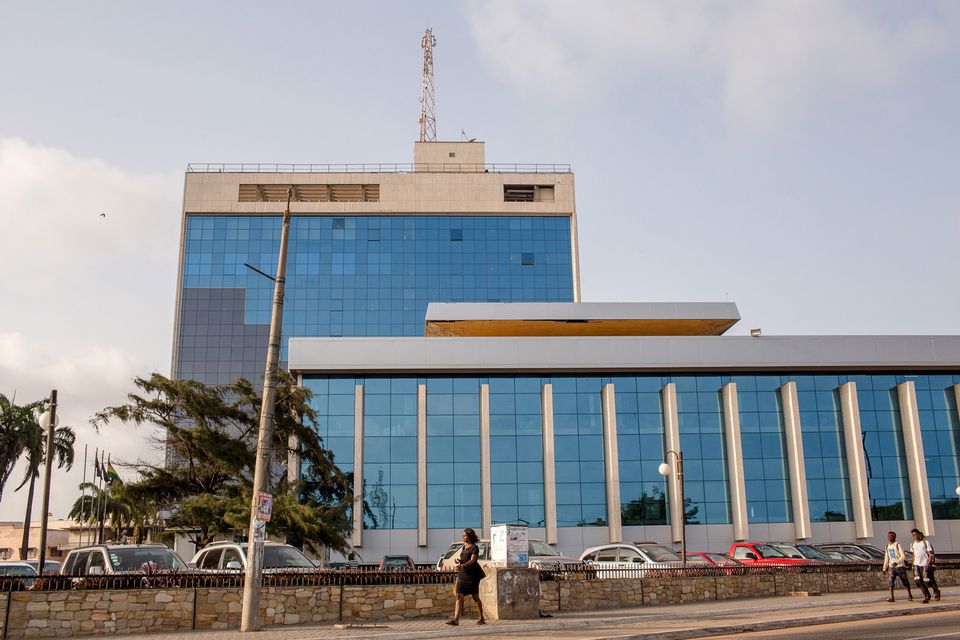
Ghana’s central bank on Wednesday delivered its biggest rate hike ever, a 300 basis point increase to 22%, at an emergency meeting to address the economy’s rapid deterioration amid crippling inflation.