

India and China Lead Russian Crude Oil Purchases, Shifting Global Dynamics

In a remarkable turn of events, India and China have emerged as dominant players in the global oil market, cementing their positions as major buyers of Russian crude oil. According to the International Energy Agency (IEA), these two Asian powerhouses accounted for a staggering 80 percent of Russia’s oil exports in May, signaling a significant shift in the dynamics of global energy trade. As the world’s fastest-growing economy, India’s increasing reliance on heavily discounted Russian oil aligns with its ambitious plans to meet its soaring energy demands. Meanwhile, China’s continued growth and robust oil consumption have solidified its position as a key player in the global oil market. With geopolitical developments and trade restrictions reshaping the landscape, Russia has redirected its seaborne crude exports to Asia, effectively pivoting away from its traditional European markets. This realignment highlights the changing dynamics of the oil industry and underscores Asia’s growing importance in meeting the world’s energy needs. As India and China assert their influence, the implications for the global oil trade and the future of energy markets remain compelling subjects of observation and analysis.
Robust Fuel Sales Drive Profits for Oman’s Oil Marketing Companies in Q1 2023
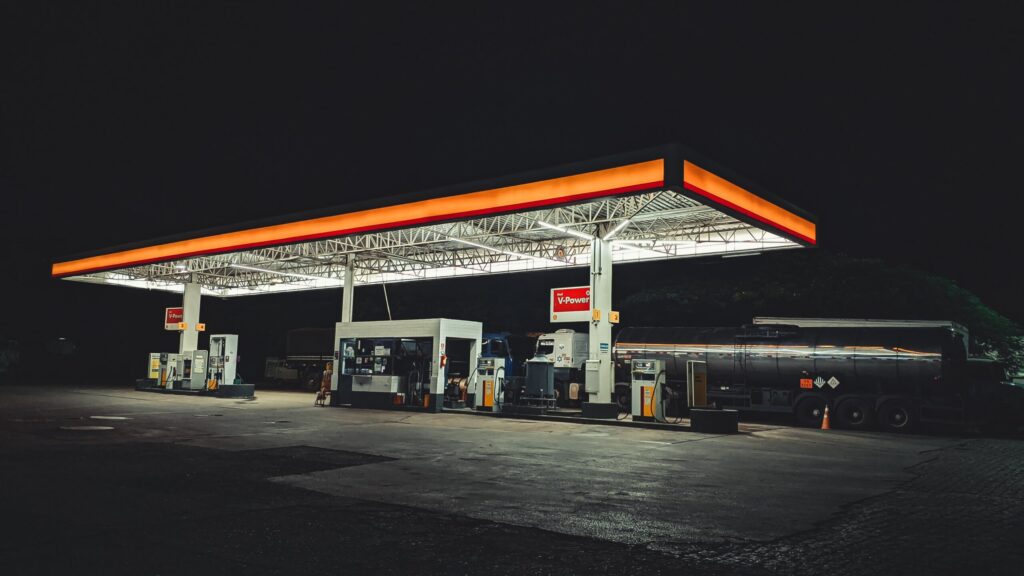
Fueling Success: Oman’s Oil Marketing Companies Soar to New Heights in Q1 2023. Robust sales drive profits, with Oman Oil Marketing Company leading the charge, witnessing a remarkable 16% increase in net profit. Al Maha Petroleum also shines with a staggering 74% year-on-year growth. While Shell Oman’s Marketing faces a slight decline, the industry remains resilient and adaptive. As Oman’s economy flourishes, these companies spearhead sustainable development and meet energy demands.
India’s first fully solar village lights up the lives of poor residents
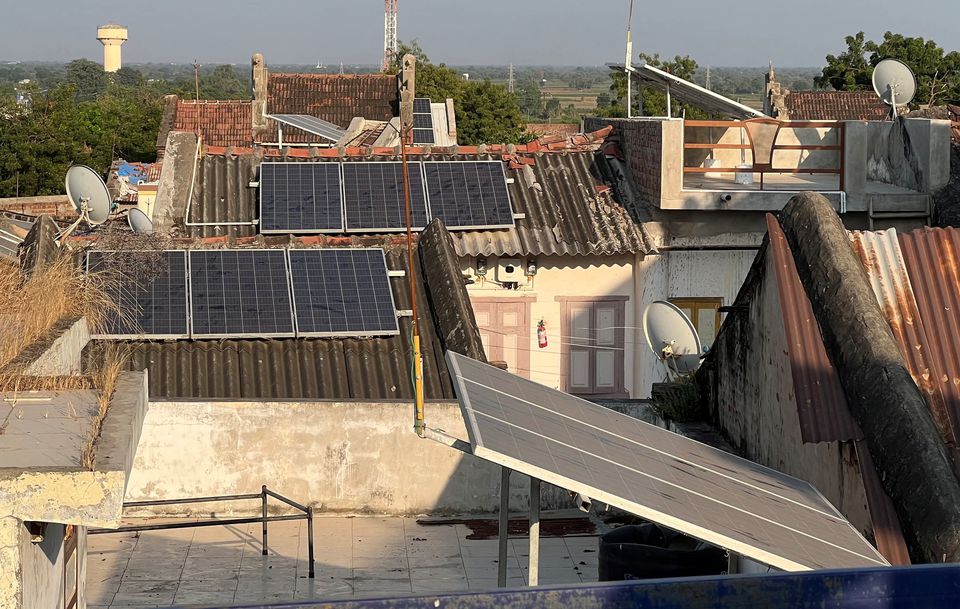
These days, Prajapati, 68, from the village of Modhera in western India’s Gujarat state, has doubled the amount of earthenware he makes compared to a few months ago since he no longer has to turn the wheel manually as he could not then afford high electricity bill that were up to 1,500 Indian rupees ($18.19) a month.
India pushes oil refiners to diversify after surprise OPEC+ cuts
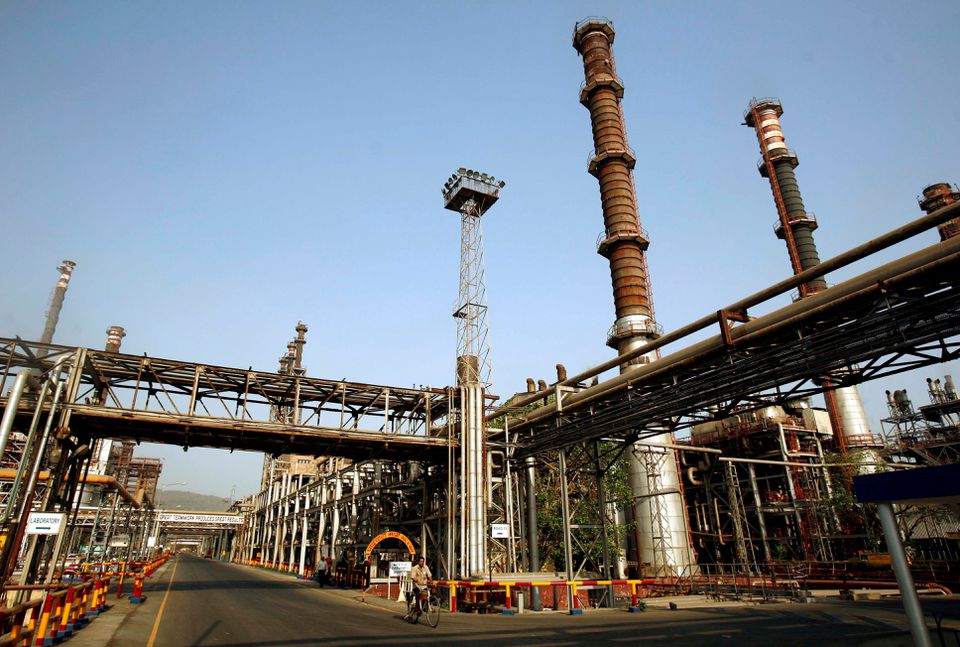
India said it will speed up its diversification of oil imports to hedge against any surprise output cuts by the Organization of the Petroleum Exporting Countries and its allies.