

More job opportunities, fewer layoffs as the U.S. labor market cools

In October the U.S. job openings rose while the layoffs hit a record low, indicating a labor market cool down
China’s Industrial Output and Retail Sales Surge, Boosting Recovery Hopes

China’s economic outlook shows improvement as industrial output and retail sales beat expectations in October. Industrial output accelerated to 4.6%, the highest since April, surpassing the forecasted 4.4%. Retail sales, a key consumption indicator, rose by 7.6%, outperforming predictions and marking the fastest growth since May. Despite these positive signals, analysts remain cautious, citing challenges in the property sector and the need for major reforms. The government’s efforts to stimulate the economy, including potential reserve requirement ratio cuts, indicate a proactive approach to sustaining growth amid persistent uncertainties.
Inflation Eases in October, A Glimmer of Hope for Consumers Amidst Economic Uncertainties

In October, consumer prices in the U.S. rose by 3.2% compared to the previous year, signaling a noteworthy slowdown and offering respite for consumers. The data reflects a 0.5% decline from September, showcasing progress in the Federal Reserve’s campaign to curb inflation. While the drop in gas prices contributed to this decline, core inflation, excluding food and energy prices, only slightly decreased to 4.0% in October. The positive development comes amid robust economic growth, with the GDP expanding at a rate of 4.9% over the three months ending in September. However, challenges such as rising long-term borrowing costs and record-high credit card debt pose potential risks to sustained economic growth.
Assessing Canada’s Economic Challenges Amidst the Threat of Recession

The Canadian economy’s recent performance paints a sobering picture, with stagnant GDP figures in August and a looming threat of recession in the third quarter. These challenges have arisen in the wake of the Bank of Canada’s decision to maintain interest rates, a reflection of the economic slowdown. While high inflation and forest fires have played a role in this predicament, the unexpected nature of this economic struggle has caught many by surprise. It remains to be seen how the central bank will navigate these turbulent waters, with market sentiments signaling increased uncertainty about Canada’s economic future.
The Delicate Balancing Act of Interest Rates, Bank of England’s Dilemma Amidst Persistent Inflation

Navigating the complexities of persistent inflation, the Bank of England faces a crucial dilemma. While some economists argue for sustained higher interest rates to combat firmly-rooted inflationary pressures, others predict this may lead to a mild recession. The Bank’s cautious approach, likened to the steady ascent of Table Mountain, aims to strike a balance between inflation control and economic stability. Recent economic resilience, with a 0.5% growth in July, muddles the picture, suggesting that a premature rate reduction might not be warranted. As the Bank monitors these variables, the path forward remains nuanced and pivotal for the UK’s economic trajectory.
Rethinking the Role of Wage Growth in the UK’s Economic Recovery

Given the evolving economic landscape, the Bank of England’s current emphasis on restraining wage growth warrants reconsideration. As inflation and the cost of living crisis loom, the approach to curtailing wage increases may need adjustment. Rising import prices, driven by global factors, initially contributed to inflation but have since reversed course. This shift should prompt a broader economic strategy that accounts for various dynamics, including demand, inflation, and policy implications. The Bank of England’s approach must adapt to navigate the intricate factors in the UK’s economic recovery.
Mobile Sector Adds $5.2 Trillion to Global Economy

Mobile technologies and services generated 5% of global GDP, a contribution that amounted to $5.2 trillion of economic value added. The greatest benefits came from productivity effects, which reached $3.5 trillion, followed by mobile operators, which generated $650 billion.
China Plans Shanghai-Hangzhou Hyperloop Train by 2035

China is all set to build its first hyperloop train line between Shanghai and Hangzhou, according to the nation’s top engineering and rail design institutes.
US FED Hikes Interest Rate for Tenth Time in a Row
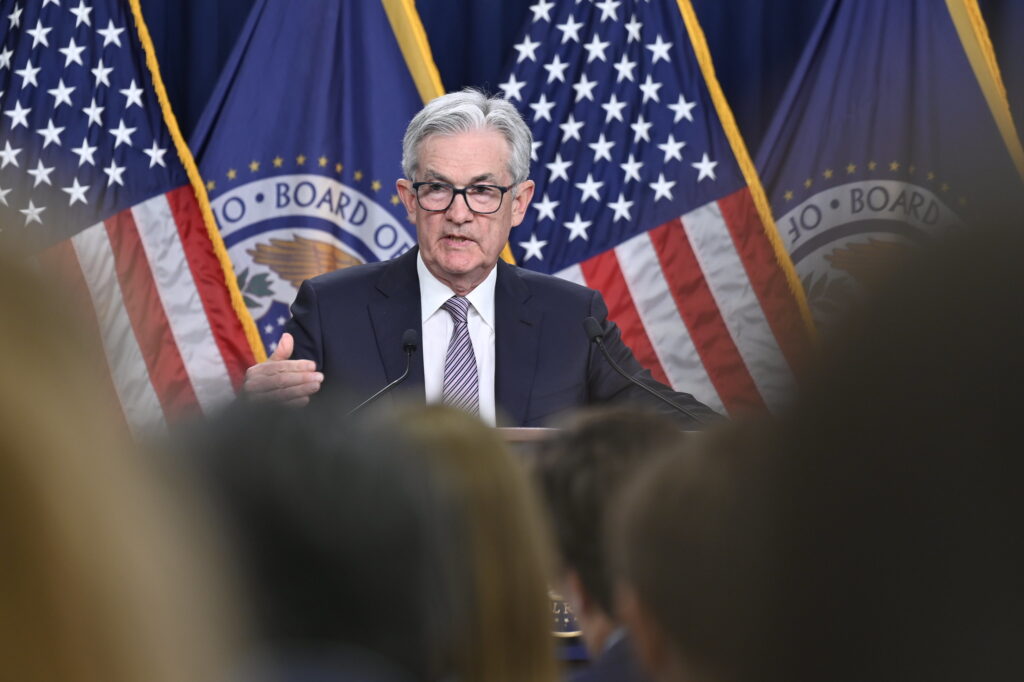
The US Federal Reserve (US FED) has hiked interest rates for the tenth time in a row, bringing the key lending rate to its highest level since 2007. However, the US FED signalled it could pause further rate hikes, as inflation eases and turmoil continues to spread across the American banking sector.
Exclusive: Goldman Sachs to cut asset management investments that weighed on earnings

Goldman Sachs Group Inc’s asset management arm will significantly reduce the $59 billion of alternative investments that weighed on the bank’s earnings, an executive told Reuters.