

Oman’s Fiscal Renaissance, A Testament to Economic Resilience and Strategic Reforms

Under the wise leadership of His Majesty Sultan Haitham bin Tarik, Oman has orchestrated a remarkable fiscal resurgence, achieving substantial milestones amid global economic challenges. Rigorous fiscal reforms, spending control, and revenue diversification have propelled the sultanate’s fiscal performance, showcasing a surplus of RO931mn in 2023, defying initial deficit projections. Notably, the reduction in public debt from RO17.6bn in 2022 to RO15.2bn in 2023, steering the debt-to-GDP ratio to 35%, has fortified Oman’s credit ratings. Major credit agencies like Moody’s, S&P Global Ratings, and Fitch Ratings have lauded Oman’s fiscal prudence, upgrading its sovereign credit ratings and endorsing the effectiveness of strategic financial policies. This fiscal renaissance underscores Oman’s resilience and strategic insight in navigating economic complexities.
Global Tensions and Rising Oil Prices Dent Indian Markets
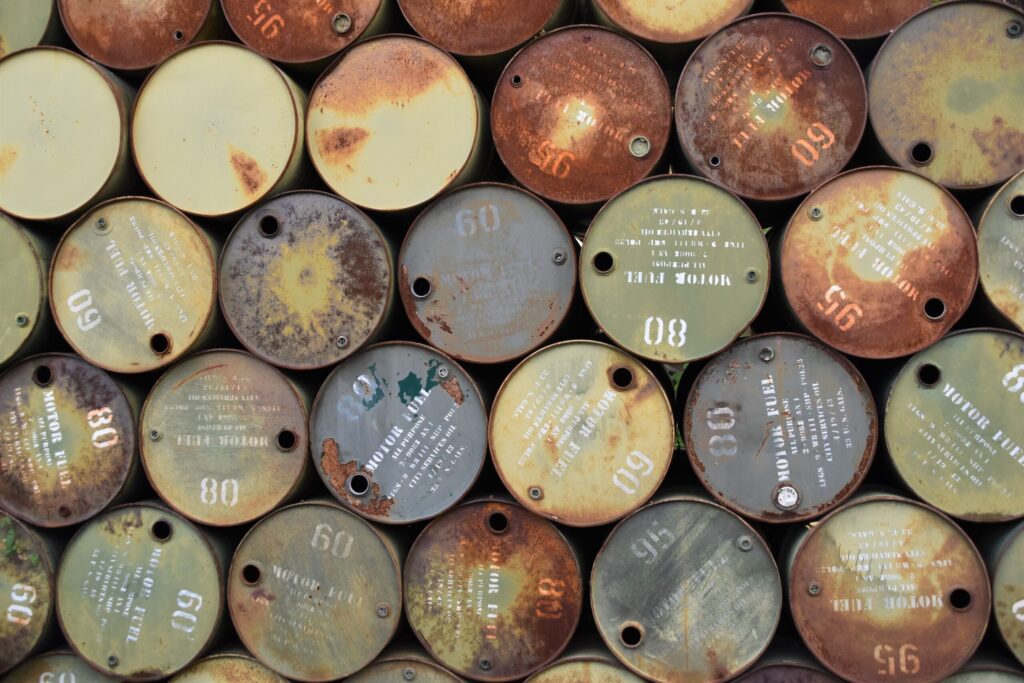
The Indian stock market faced a challenging start to the week, with global volatility and heightened oil prices stemming from escalating Middle East tensions taking a toll. Market indices, particularly the Nifty 50 and Sensex, experienced early declines, largely influenced by losses in financial services and banking sectors. Despite this, small- and mid-cap stocks held their ground, indicating domestic investors’ resilience. Concerns were raised about the potential ripple effects on India’s economy and markets if the Middle East conflict leads to a significant oil price surge. Individual stocks, like Avenue Supermarts and Delta Corp, were also impacted, while HDFC Bank’s eagerly awaited quarterly results added to the market’s uncertainty.